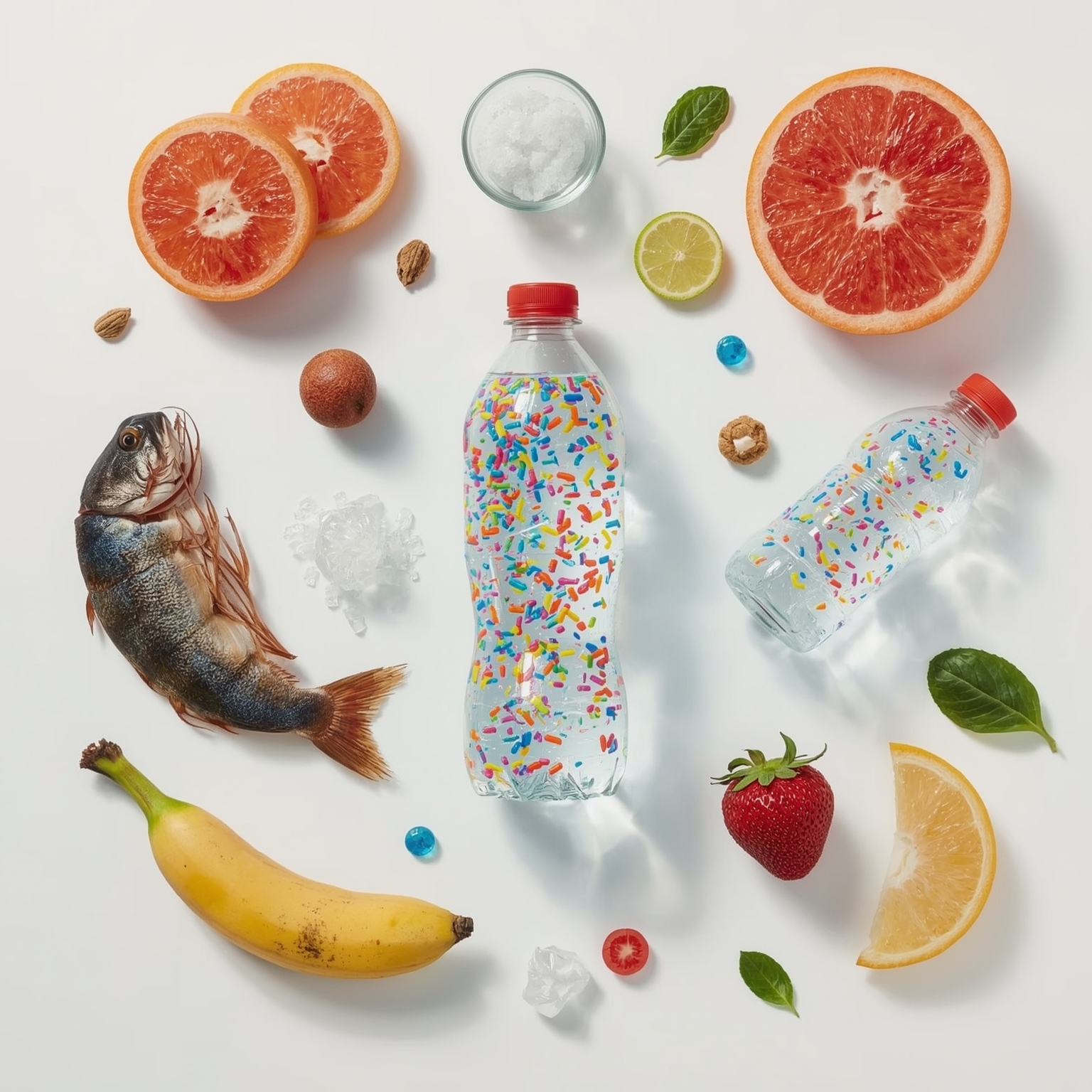
Every year, individuals living in the United States are estimated to ingest anywhere between 39,000 and 52,000 microscopic plastic particles—tiny fragments that often enter our systems without us realizing it. These nearly invisible contaminants can originate from numerous everyday sources, ranging from the utensils and storage containers in our kitchens to the disposable packaging used for takeout meals. Even the foods we purchase and prepare can harbor these microscopic pollutants. Certain foods, however, are far more likely to contain higher concentrations of plastic particles than others, making some dietary choices more concerning than they might initially seem. To gain deeper insight into which foods tend to accumulate microplastics, their potential effects on human health, and the strategies available to minimize exposure, we consulted medical experts and thoroughly examined the most recent research findings.
Although many people are now aware of the issue of microplastics, a lingering question remains: how much is too much? According to Dr. Joseph Mercola, a board-certified osteopathic physician specializing in family medicine, there is currently no universally accepted threshold that defines a “safe” or “unsafe” level of microplastic ingestion. In his view, the most sensible approach is to reduce exposure whenever possible, given the absence of definitive safety benchmarks. Microplastics infiltrate our food supply through a variety of channels: contamination in the environment where crops are cultivated or animals are raised, agricultural practices involving plastic seed coatings and mulches, and irrigation systems utilizing water already tainted with plastic residues. Further contamination occurs during packaging, transport, and storage—especially when foods come into contact with plastic containers, utensils, or wrapping materials.
The U.S. Food and Drug Administration (FDA) acknowledges the presence of microplastics in certain foods but reports that existing evidence does not yet confirm that the levels currently detected pose a measurable danger to human health. Nevertheless, many health professionals recommend taking reasonable precautions to limit one’s intake of these particles. Below is a detailed look at the eight categories of commonly consumed foods most frequently associated with microplastic contamination, along with expert-backed suggestions for reducing exposure.
1. Seafood — One of the primary conduits through which plastics find their way into our diets is seafood. Single-use plastics often degrade into minuscule fragments that disperse throughout waterways and ocean ecosystems. Once there, these particles are ingested by plankton and other small marine organisms, eventually accumulating in fish and shellfish destined for human consumption. Research from Portland State University revealed that out of 182 seafood samples tested, 180 contained measurable quantities of microplastic, most commonly microfibers. To cut back, limiting consumption of filter-feeding and bottom-dwelling species such as clams, oysters, mussels, and certain fish like cod or flounder can help, as these species are particularly exposed. When shopping, also look for sustainably packaged options rather than those wrapped in conventional plastic.
2. Tea Bags — The simple act of brewing tea can unexpectedly introduce plastics into your beverage. Many tea bags—whether made from silky nylon mesh or reinforced paper—contain polypropylene, a plastic used to maintain their seal and shape. Once submerged in hot water, these materials can release billions of microscopic particles into the drink. Researchers at the Autonomous University of Barcelona found that polypropylene-based teabags could release plastic particles by the billion, while cellulose-blended varieties released millions. To avoid this, switch to loose-leaf tea and use a durable stainless-steel infuser, which eliminates the issue entirely.
3. Rice — A staple in diets worldwide, rice has also been found to contain traces of plastic. A University of Queensland study quantified that half a cup of uncooked rice may carry between three and four milligrams of plastic, and if the rice is instant or pre-packaged, that number can soar to roughly thirteen milligrams. Rinsing rice before cooking proved to be an effective mitigation technique, lowering contamination by as much as 20%–40%. For best results, it is advisable to use filtered water for rinsing.
4. Salt and Sugar — Everyday seasonings such as table salt and sugar are not immune to microplastic pollution. Because salt is harvested from seawater, mines, or processed sources that may be environmentally contaminated, the risk of plastic intrusion is high. One global review showed that about 90% of 39 salt brands contained traces of microplastic material. Sugar, similarly, can be contaminated during manufacturing or packaging. While the human body requires sodium and glucose in moderate amounts for essential physiological balance, it is wise to opt for versions packaged in glass or cardboard rather than plastic to reduce unnecessary exposure.
5. Bottled Water — Bottled water remains one of the most heavily scrutinized sources of plastic particulate ingestion. An extensive study identified nearly 240,000 microscopic plastic fragments per liter in some samples of bottled water. The bottles themselves, typically made from polyethylene terephthalate (PET), shed tiny particles over time, especially when subjected to heat or pressure. To avoid this, drink filtered tap water stored in reusable stainless-steel or glass containers, both of which are inert and safer long-term choices.
6. Honey — Though it might appear completely natural, even honey has been shown to harbor microplastics. Researchers examining bees discovered that pollution in their foraging environments enables microplastic fibers to enter hives and, eventually, the honey itself. Choosing locally sourced honey from small-scale beekeepers who practice sustainable extraction methods can lower—but not entirely eliminate—the risk.
7. Fruits and Vegetables — Produce is another surprising vector for plastic intake. Plants can absorb micro- and nanoplastics directly from the soil via their roots, resulting in accumulation within edible tissues. Among the items tested in one study, apples exhibited the highest plastic concentration among fruits, while carrots led among vegetables. Beyond agricultural exposure, many grocery stores further encase fruits and vegetables in plastic packaging. Although the FDA has not confirmed that such packaging significantly transfers plastic into food, selecting unwrapped produce, washing thoroughly, and buying locally or organically grown options are prudent steps.
8. Protein Sources — Protein-rich foods—from both plant and animal origins—are increasingly found to contain microplastics. According to research led by the Ocean Conservancy, roughly 88% of protein samples tested (including meat, fish, and plant-based alternatives) exhibited detectable amounts of microplastic. Heavily processed foods like breaded fish sticks, chicken nuggets, or plant-based imitation meats contained significantly higher levels. For example, a serving of breaded shrimp was found to hold roughly 300 microplastic fragments. Such contamination often occurs during industrial processing and packaging. Until more comprehensive scientific evidence defines safe consumption levels, focus on maintaining dietary balance rather than eliminating crucial protein sources altogether.
While virtually every category of food may, to some degree, contain microplastics, much remains unknown about their cumulative health effects. According to Dr. Mercola, ingested microplastics can accumulate in various organs—including the circulatory system and even the brain—potentially triggering inflammation and tissue damage. Moreover, many plastics contain endocrine-disrupting chemicals such as BPA and phthalates, which may interfere with hormonal regulation and amplify the absorption of other environmental toxins. Although total avoidance of plastics is realistically impossible, reducing exposure where feasible is both rational and advisable.
Practical strategies to limit intake include moderating consumption of high-risk foods like shellfish, avoiding plastic storage containers (especially for fatty foods that absorb leached chemicals more readily), and choosing fresh produce over pre-wrapped options whenever viable. Replace plastic kitchenware with alternatives made from glass, stainless steel, wood, or ceramic, which are nonreactive and more sustainable. On a broader scale, installing filters in washing machines to capture synthetic microfibers released during laundry cycles can help prevent further environmental contamination.
Ultimately, while ongoing research seeks to clarify the extent of harm posed by microplastics, personal action remains essential. Simple habits—such as choosing filtered drinking water, minimizing reliance on disposable plastics, and prioritizing whole, minimally processed foods—can collectively reduce one’s exposure. Despite the unsettling reality that these particles permeate much of our environment, a balanced, nutrient-rich diet remains the foundation of good health. Through conscious choices, we can mitigate risk without succumbing to fear, promoting both personal well-being and the health of the planet.
Sourse: https://www.cnet.com/health/nutrition/commons-foods-microplastic-red-flags/#ftag=CAD590a51e