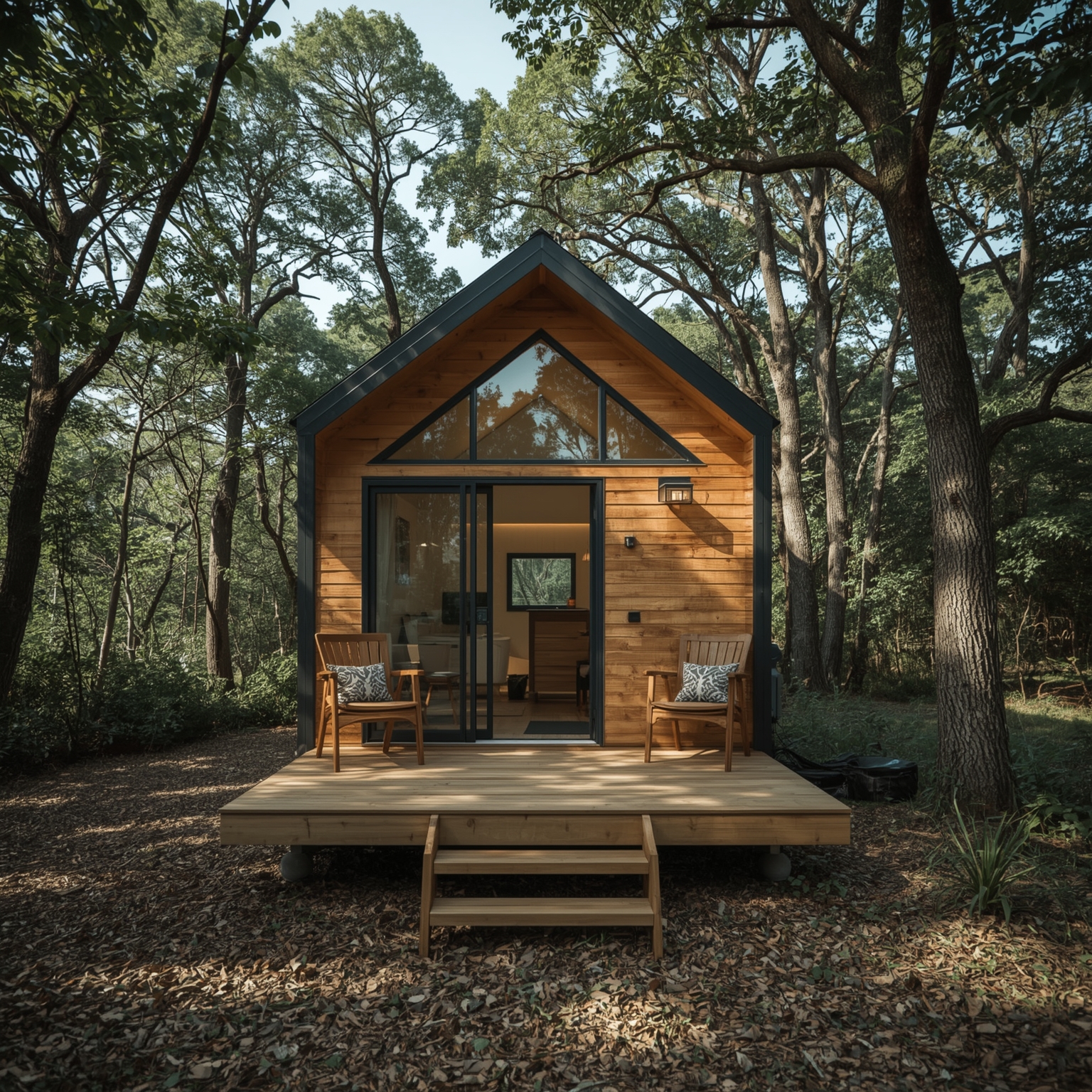
In the early stages of the project, I realized that I could not take on such an extensive and technically demanding endeavor completely alone, and so I enlisted the help of several trusted individuals. The most important of these assistants was my partner at the time, Max, whose combination of practical skills and steady temperament proved indispensable throughout the process. Max, who had retired from a long and accomplished career as a scientist, possessed an exacting attention to detail and a methodical approach to problem-solving that naturally translated into craftsmanship. Beyond his scientific background, he was also an extraordinarily gifted woodworker, quietly passionate about constructing things that were both functional and beautifully made. Conveniently, Max already owned a comprehensive set of woodworking and building tools—everything from precision saws to power drills—and, perhaps even more crucially, he offered a suitable location for our construction efforts: the spacious driveway that bordered his home, which became the heart of our project.
By the time September 2020 arrived, we had gathered the necessary materials and, with growing excitement, began laying down the very foundation of what would soon take shape as my tiny house. We started by constructing the floor, carefully measuring, cutting, and fastening each section of timber to form a sturdy base. From there, we moved on to assembling the timber framework that would define the structure’s form and proportions. Once the skeleton of the building was in place, we proceeded to install the windows, which required precise alignment to ensure both insulation and visual symmetry, before turning our attention to the cladding and, finally, the roof—a layered progression that gradually transformed a conceptual dream into physical reality. During the initial phase of this work, we were fortunate to receive invaluable assistance from Max’s best friend, a retired professional builder whose experience in construction offered reassurance and technical oversight. For the first couple of months, he guided us patiently through the critical structural work, ensuring that every joint, beam, and angle met a standard of safety and soundness that could withstand time and weather.
After his departure, the workload intensified, and Max and I continued on our own, dedicating nearly all our waking hours to the laborious internal fit-out. We maintained a relentless schedule—working six days a week, and often stretching into a seventh when deadlines loomed or inspiration struck. Each task demanded not only physical endurance but also emotional resilience, for the process was as taxing as it was mesmerizing. There was something profoundly compelling about watching this small dwelling emerge with our combined effort; yet, beneath the surface of progress, the strain of the undertaking began to reverberate through our personal lives. The very act of building a home together paradoxically exposed the structural weaknesses in our own relationship. As the walls of my tiny house rose, the foundation of our partnership gradually began to crumble. The increasing fatigue, stress, and emotional tension made it clear that, despite our mutual determination, our bond could not withstand the cumulative pressures of the project. We ultimately reached a quiet understanding that our romance would not survive this chapter. Even so, amidst the dissolution of our relationship, we maintained a shared commitment to completing the house we had begun together. Through patience, professionalism, and an enduring sense of responsibility, we managed to keep working side by side until the final boards were fitted and the project stood complete—a testament to both creative collaboration and the bittersweet resilience that marked its making.
Sourse: https://www.businessinsider.com/struggled-to-afford-rent-built-tiny-house-middle-age-2025-10