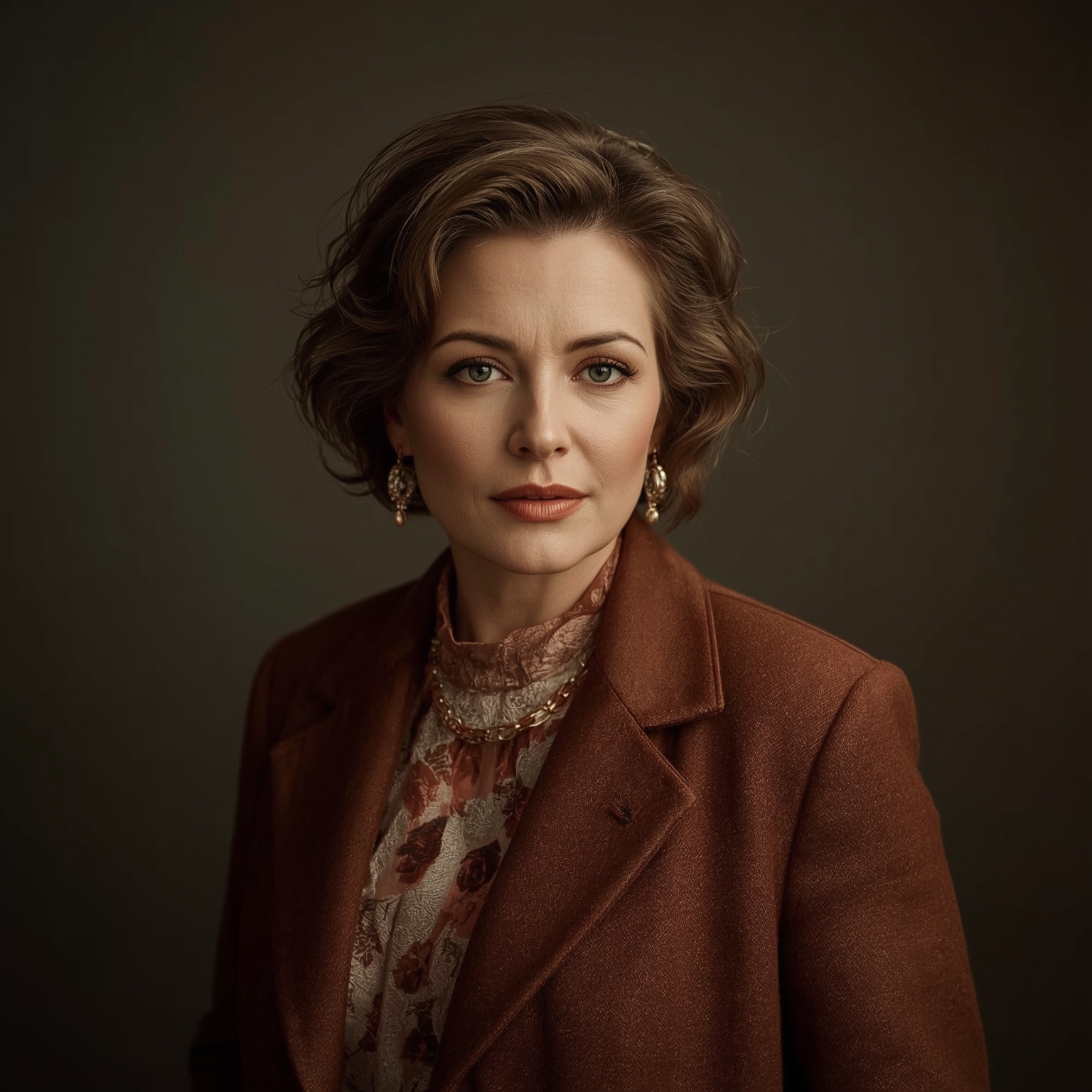
Diane Keaton, the distinguished actress and cherished Hollywood luminary, has passed away at the age of seventy-nine, leaving behind a legacy of creative brilliance, individuality, and cinematic influence. Born in Los Angeles, she discovered her passion for performance early in life, participating enthusiastically in high school theater productions that would become the foundation of her lifelong commitment to storytelling. Her undeniable charisma and unconventional charm soon propelled her toward success, ultimately transforming her into both a celebrated film star and a trendsetter known for her distinctive, timeless sense of style.
Keaton’s first major artistic breakthrough came in the late 1960s when she secured a spot in the original Broadway production of *Hair* in 1968, a countercultural musical that embodied the spirit of its turbulent era. That same year, she auditioned for and earned a leading role in Woody Allen’s Broadway play *Play It Again, Sam*, which premiered the following year, earning her a coveted Tony Award nomination — a significant early recognition of her theatrical talents. The play was later adapted into a 1972 motion picture, further solidifying Keaton’s collaboration with Allen and allowing her to transition seamlessly from the stage to the silver screen.
Her rise to true prominence, however, began with her compelling portrayal of Kay Adams-Corleone in Francis Ford Coppola’s 1972 cinematic masterpiece *The Godfather*. Starring alongside Al Pacino and Marlon Brando, Keaton demonstrated remarkable emotional depth and restraint, enriching the film’s exploration of loyalty, morality, and power. Although she did not receive an individual award for her performance, the film itself achieved monumental acclaim, securing multiple Academy Awards and establishing itself as one of the most revered works in film history. Keaton would later return to this role in *The Godfather Part II* and *The Godfather Part III*, continuing to portray her character’s complex journey through love, disillusionment, and moral conflict.
Keaton’s defining career moment arrived in 1977 with *Annie Hall*, a film that not only reimagined the romantic comedy genre but also elevated her to international stardom. Her nuanced and spontaneous performance earned her the 1978 Academy Award for Best Actress in a Leading Role, cementing her place among cinema’s most gifted performers. Beyond the critical acclaim, *Annie Hall* also captured Keaton’s authentic personality and idiosyncratic style — from her witty vulnerability to her androgynous, effortlessly chic wardrobe — transforming her into a fashion icon who inspired both audiences and designers for generations to come.
Over the next five decades, Keaton sustained an extraordinary career defined by artistic range and emotional complexity. She appeared in a remarkable succession of successful films including *Reds*, *Father of the Bride*, *The First Wives Club*, *Marvin’s Room*, and *Something’s Gotta Give*, demonstrating her versatility across genres ranging from intimate drama to spirited comedy. Her empathetic portrayals of women navigating love, identity, and reinvention resonated deeply with viewers of all ages, reflecting both her intelligence and her humanity. In 2004, Keaton’s captivating performance in *Something’s Gotta Give* earned her the Golden Globe Award for Best Actress in a Motion Picture — Musical or Comedy, further affirming her ability to remain relevant and beloved in an ever-evolving industry.
Beyond her film career, Keaton proved herself a multifaceted creator and thinker with wide-ranging interests. She became a published author, offering readers an eloquent glimpse into her inner world through several books, including her introspective 2011 memoir *Then Again*, which explored her family history and personal philosophy. Her later works — *Let’s Just Say It Wasn’t Pretty* (2014), *The House That Pinterest Built* (2017), and *Brother & Sister: A Memoir* (2020) — demonstrated her curiosity about beauty, design, and emotional connection. She also extended her artistic expression into photography, architecture, and design, as seen in acclaimed volumes such as *California Romantica* and *Saved: My Picture World*, where she captured aesthetic moments that reflected her unique eye for composition and mood.
In 2015, Keaton expanded her creative pursuits into the world of winemaking, introducing her own label, The Keaton. She unveiled the project with characteristic humor and warmth in a social media post reading, “It’s here. Don’t forget the ice. Cheers.” Initially offering a robust red blend, the brand later added a white wine, reflecting Keaton’s appreciation for craftsmanship and enjoyment of life’s sensory pleasures.
Throughout her life and career, Diane Keaton stood out as more than an actress — she was an emblem of wit, authenticity, and independence. Her red-carpet appearances often defied convention, favoring tailored suits, oversized belts, and her signature hats that became synonymous with her name. At the 2004 Academy Awards, for instance, she appeared in a refined Ralph Lauren suit complete with a bowler hat, radiating confidence and reaffirming her status as an enduring fashion muse. Her style, much like her performances, celebrated individuality and charm rather than conformity.
From her earliest roles on Broadway to her timeless performances in film, Diane Keaton’s influence transcended generations. She embodied characters who mirrored the complexities of real life — flawed, humorous, romantic, and deeply relatable. Her death marks the end of an era, but her voice, image, and spirit will continue to shape the landscape of film and culture for years to come. A consummate artist, author, style icon, and visionary, she leaves behind a legacy that will forever illuminate the history of cinema and the hearts of those who admired her.
Sourse: https://www.businessinsider.com/diane-keaton-career-photos-2025-10