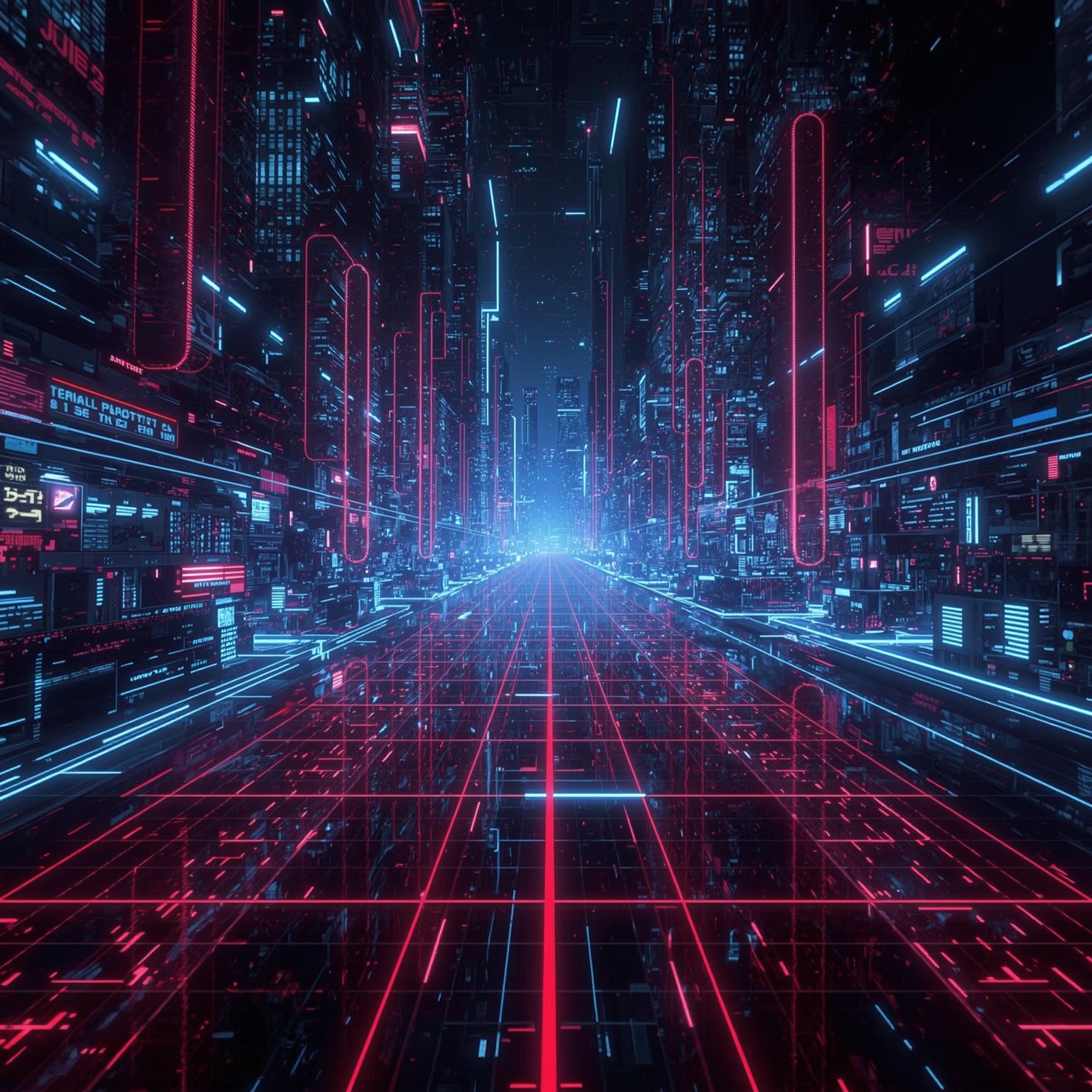
Disney possesses an extensive library of intellectual properties—characters, worlds, and stories that span nearly a century of cultural impact—and yet, the company does not always seem entirely certain how best to use them. Among these dormant or underutilized creations, the Tron franchise arguably stands near the top of the list. After more than a decade and a half of speculation, development starts and stops, and countless whispers about its revival, Disney has at last delivered a continuation of the neon-lit digital saga. The result is Tron: Ares, the long-awaited third chapter in the series and a follow-up to the cult favorite Tron: Legacy. For years, the idea of returning to the Grid seemed like little more than an optimistic fantasy—something fans hoped for but never truly expected to materialize—until, rather surprisingly, it did.
The arrival of Tron: Ares places both longtime enthusiasts and casual moviegoers in an intriguingly uncertain position. The film’s promotional campaign presents it as a visually commanding cyber-adventure, one that promises sleek digital landscapes, kinetic action sequences, and an electrifying atmosphere underscored by an original score crafted by the renowned industrial rock group Nine Inch Nails. Disney has leaned heavily into highlighting this musical collaboration, featuring it almost as prominently in the marketing materials as the movie itself, likely in the hopes of invoking a sense of edgy modernity and artistic credibility. Yet, despite the artistic allure of its production and score, the casting of Jared Leto as the titular Ares introduces a complicated element into the public’s perception. Leto is a performer known as much for his intense, sometimes polarizing method acting as for his off-screen persona, and audiences appear divided—some eager to see what he brings to the digital realm, others decidedly more skeptical.
That sense of ambivalence extends seamlessly into the film’s reception. Tron: Ares has inspired a palpable mix of enthusiasm, disappointment, and cautious approval. Certain viewers have embraced it as a bold extension of the series’ thematic and aesthetic foundations, while others dismiss it as a technically polished but narratively hollow effort. Many fall somewhere in between, acknowledging that—while not revolutionary—the movie fulfills its basic promise as a continuation of the Tron legacy. Such divided reactions are, in fact, nothing new for this franchise, which has always occupied a distinctive space in pop culture: admired for its daring visual experimentation yet rarely achieving widespread mainstream popularity. Still, some consensus has emerged around a few aspects. The visual effects, as expected, deliver a mesmerizing spectacle of neon geometry and immersive digital vistas, and actress Greta Lee’s understated yet compelling performance as Eve Kim has earned widespread praise for bringing nuance and heart to limited screen time. The soundtrack, too, has been almost universally lauded, though no one is surprised by that outcome—it is, after all, one of Tron’s defining strengths.
Whether Tron: Ares will ultimately achieve a warmer reputation as time passes remains uncertain. Many films that initially divide audiences later find appreciation through re-evaluation, cult followings, or renewed cultural context. For now, however, the movie stands as both a triumph of visual ambition and a reminder of the challenges inherent in reviving a beloved but historically niche franchise. Until the broader consensus settles, the discussion lies in the hands of viewers. What are your impressions of Tron: Ares? Did it meet your expectations, challenge them, or fall short? Share your thoughts and reflections in the comments below, and keep an eye out for further updates on upcoming releases from Marvel, Star Wars, Star Trek, the evolving DC cinematic universe, and of course, the ever-expanding timeline of Doctor Who.
Sourse: https://gizmodo.com/open-channel-tell-us-your-thoughts-on-tron-ares-2000671598