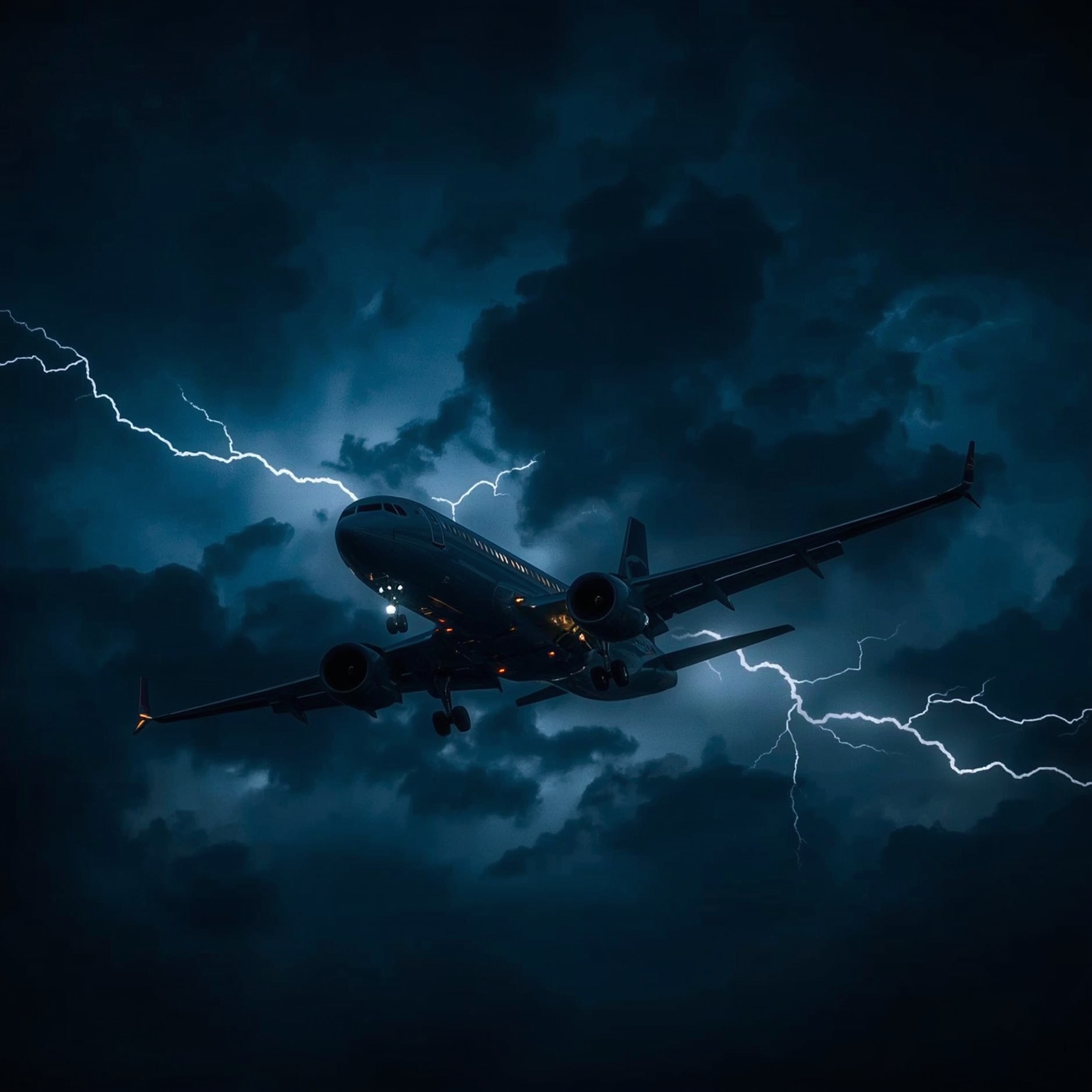
A Ryanair commercial flight has become the focus of an official investigation following a dramatic and potentially hazardous series of events in which the aircraft landed with almost no fuel reserves remaining. The incident unfolded after the plane endured three unsuccessful landing attempts and an eventual diversion amid the powerful meteorological onslaught of Storm Amy. The situation, already precarious due to weather volatility, raised questions regarding operational safety, decision-making under pressure, and emergency preparedness in extreme conditions.
Flight 3418, a Boeing 737 operated by the Irish low-cost carrier Ryanair, departed from Pisa, Italy, on the evening of October 3 with Glasgow Prestwick Airport in Scotland listed as its intended destination. At the time of departure, meteorological authorities, including the UK’s Met Office, had issued comprehensive warnings that anticipated intense winds and heavy rainfall as the storm system known as Amy was expected to strike Scotland’s western coast. Gusts in the Prestwick region reportedly climbed to nearly 50 miles per hour, and these severe weather patterns caused widespread disruption—tens of thousands of homes throughout the country were left without power, while in Glasgow, structural damage occurred as a derelict building ultimately succumbed to the high winds and collapsed.
Roughly two and a half hours after leaving Pisa, the aircraft began its final descent toward Prestwick. However, radar and flight-tracking data from the aviation monitoring service Flightradar24 revealed that the plane’s initial two landing attempts failed to achieve a safe touchdown. Fighting fierce crosswinds and unpredictable downdrafts, the pilots chose to abort both approaches. Instead of persisting under hazardous conditions, they diverted northward toward Edinburgh, where meteorological data indicated slightly less intense turbulence and wind activity, though gusts there still exceeded 30 miles per hour.
Despite the change in destination, the flight again encountered formidable difficulties. According to further Flightradar24 readings, the plane descended to below 2,000 feet—an altitude typically associated with the final approach phase—but was once again unable to make contact with the runway surface. Recognizing the diminishing fuel reserves and prioritizing the safety of those on board, the flight crew made the strategic decision to cross the England-Scotland border and head for Manchester Airport, located approximately 175 miles from Prestwick. After what must have been a tense and exhausting sequence of maneuvers, the aircraft landed successfully just before 9 p.m. local time, which was nearly two hours after its initial attempt to reach Prestwick.
In the aftermath, The Guardian reported that it had reviewed a photograph of the aircraft’s technical logbook, a document used to record operational details after every flight. The entry indicated that upon landing, the aircraft had merely 220 kilograms of fuel remaining—a level equivalent to, as pilots interviewed by the newspaper noted, roughly five to six minutes of further flight capacity. In practical aviation terms, such a narrow safety margin is considered critically low and constitutes a situation serious enough to warrant regulatory scrutiny. The passengers, meanwhile, found themselves more than 200 miles from their original destination, prompting logistical challenges and significant travel delays.
Among the passengers was Alexander Marchi, who later shared his experience with local publication the Ayr Advertiser. According to his account, following the landing in Manchester, Ryanair arranged for ground transportation to take the displaced passengers north to Scotland by coach. The journey lasted through the night, with the weary travelers finally arriving at Prestwick at approximately 4:15 a.m.—a grueling ten hours later than their scheduled arrival time.
Acknowledging the seriousness of the circumstances, the United Kingdom’s Air Accidents Investigation Branch (AAIB) confirmed that it had opened a formal inquiry into what it described as a “serious incident.” In an official statement provided to Business Insider, the agency affirmed that AAIB inspectors had already begun collecting documentary evidence and conducting preliminary interviews intended to reconstruct the sequence of decisions that led to the emergency situation. Ryanair likewise stated that the airline had promptly reported the incident to the relevant authorities on the very day it occurred. The carrier emphasized that, given the case’s ongoing investigatory status and the company’s full cooperation with regulatory bodies, it would refrain from issuing further public comment until the AAIB concludes its assessment.
The episode underscores the inherent challenges faced by aviation professionals when sudden weather changes coincide with complex operational conditions, illustrating how finely tuned risk management and decision-making in flight can mean the difference between safety and catastrophe. It also serves as a reminder of the enormous pressures endured by pilots when contending with nature’s unpredictability and the razor-thin margins that define modern aviation safety protocols.
Sourse: https://www.businessinsider.com/ryanair-flight-almost-ran-out-of-fuel-after-storm-diversion-2025-10