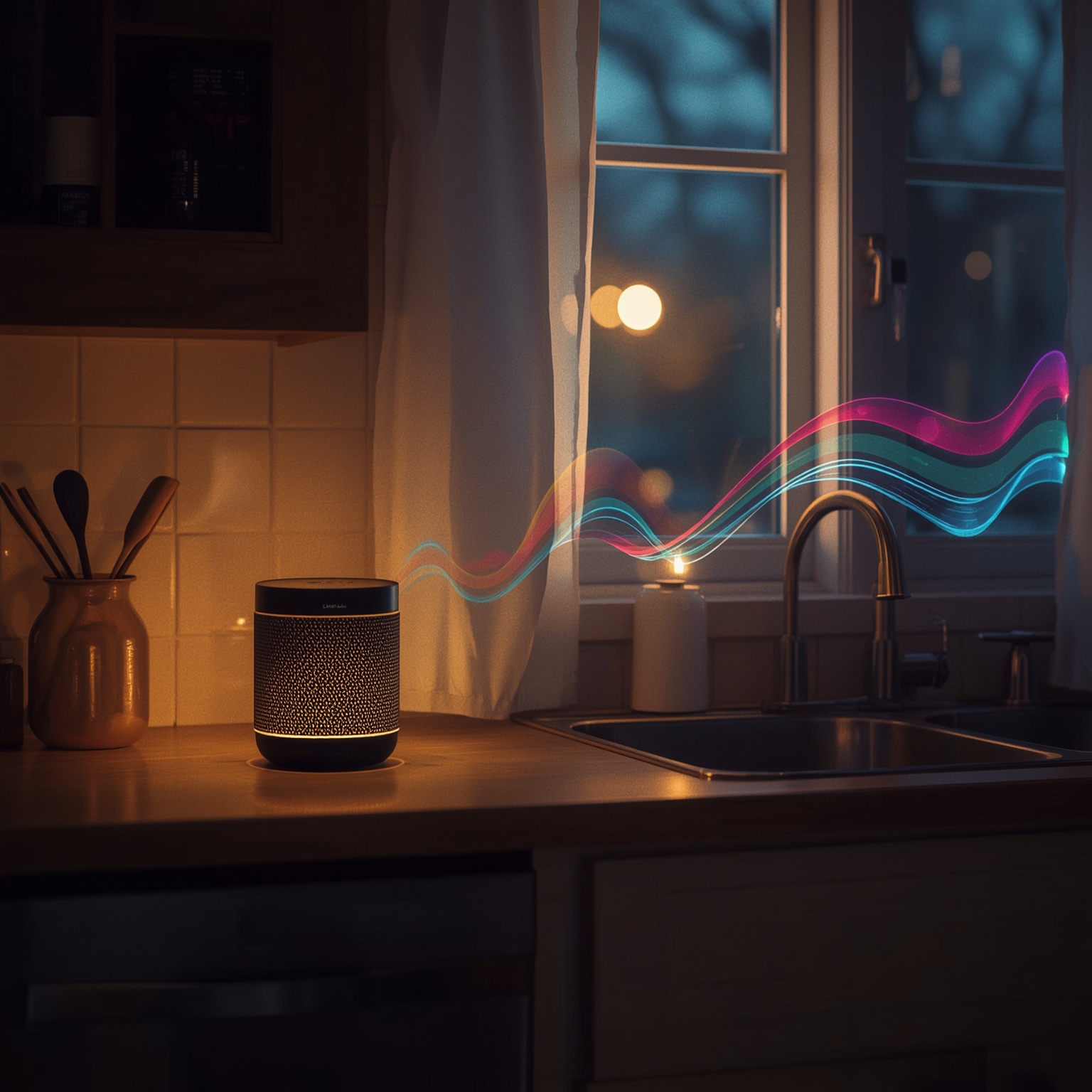
Four years ago, my household made the deliberate decision to sever ties with traditional cable television, a move that promised financial efficiency and freedom from bulky channel bundles. Yet this transition came with a significant cultural cost: I lost the steady companionship of Seattle Mariners broadcasts flickering across my TV screen. Rather than surrendering my baseball habit, I sought an alternative and discovered a surprisingly delightful solution — streaming the radio broadcasts through a Google Home speaker perched in my kitchen. To my surprise and eventual devotion, baseball over the radio turned out to be an experience rich in atmosphere and charm. The play-by-play commentary, the ebb and flow of the crowd’s collective sighs and cheers, and the occasional unmistakable crack of Cal Raleigh’s bat connecting with the ball created a sensory landscape that felt both nostalgic and intimate. Whether that powerful swing sent the ball soaring into the stands once or sixty times, the auditory drama never ceased to captivate.
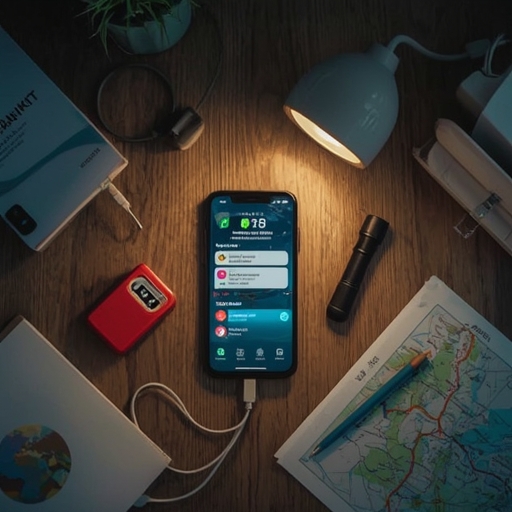
However, even this idyllic setup was not without its complications. The persistent nemesis of modern technology — spoilers — soon invaded my tranquil baseball routines. I frequently used the MLB mobile app to track live scores, an otherwise convenient complement to my audio-only listening. The app offered immediate clarity on details that radio timing sometimes obscured — how many outs there were, whether runners were on base, or when a pitching change occurred. That feature proved particularly useful whenever I needed to step away from the kitchen, as notifications kept me connected to the evolving game. Unfortunately, these updates arrived with ruthless efficiency, pinging my phone a full thirty seconds before the play-by-play on my speaker caught up. More than once, I found myself leaning in, heart pounding during a full-count situation with runners in scoring position, only to have a premature buzz on my phone announce the outcome, deflating the suspense that radio’s delayed rhythm so artfully built.
At that time, fans like me had only two lawful paths to experience Seattle Mariners games live: either to purchase an expensive cable package loaded with unwanted channels or to physically travel to the symbolic intersection of Dave Niehaus Way and Edgar Martinez Drive — in other words, T-Mobile Park — and invest in a ticket to witness the game in person. Root Sports, the somewhat opaque network holding exclusive broadcasting rights, guarded access to live streams tightly. It wasn’t until this April that they introduced a stand-alone streaming subscription, priced at twenty dollars a month. For years, then, my humble kitchen radio connection offered the best fusion of accessibility, legality, and affordability — no illicit streams, questionable VPNs, or inflated cable bills required. Yet those relentlessly punctual app notifications continued to steal the thunder from my listening experience.
I found myself in a strangely rare predicament: wishing, for once, that an application could be just a little slower, that its technology could conspire with me rather than against me to preserve suspense. I experimented with remedies, none of them elegant. Activating “Do Not Disturb” while listening silenced unwanted alerts but also risked missing texts and calls I couldn’t ignore. Meanwhile, toggling score notifications on and off every time I moved between rooms proved both forgetful and impractical. Then, just this past Monday — during a tense playoff showdown with the Blue Jays — serendipity struck. While refining my notification settings, I stumbled upon an option that felt almost tailor-made for my plight: a modest thirty-second delay feature. With one simple toggle, I could finally synchronize the pace of my technology with the tempo of the broadcast, or at least close enough to maintain the illusion of true real-time drama.
It’s an irony worth savoring: in an era obsessed with immediate updates and predictive algorithms, I found immense satisfaction in a digital slowdown. For perhaps the first time, I could celebrate notifications that arrived not instantly, but fashionably late. It was the perfect compromise — I retained access to real-time scorekeeping without forfeiting the emotional arc of listening to the game unfold moment by moment. A Reddit post I later encountered suggested that this delay feature had quietly existed for a few seasons already. Given that I had not been listening as diligently in recent years, I can hardly blame myself for discovering it only now. As the Mariners surged toward the end of a promising season, I revived my old broadcast habit and was rewarded with a more immersive, spoiler-free listening ritual.
Ironically, now that I have finally perfected this setup, I won’t actually need it for the remainder of the season. The Mariners, on the brink of history, have reached the playoffs and stand just two victories away from their first appearance in the World Series — an achievement decades in the making. Every playoff game is broadcast nationally, bypassing the local television monopoly that initially drove me to my audio workaround. For now, it seems, I’ve found a way around Root Sports after all — although part of me will miss the quiet pleasure of hearing the game unfold through that small kitchen speaker, alive with the background hum of summer nights and the anticipation no instant update could ever replicate.
Sourse: https://www.theverge.com/tech/800279/mlb-app-baseball-notifications-delay