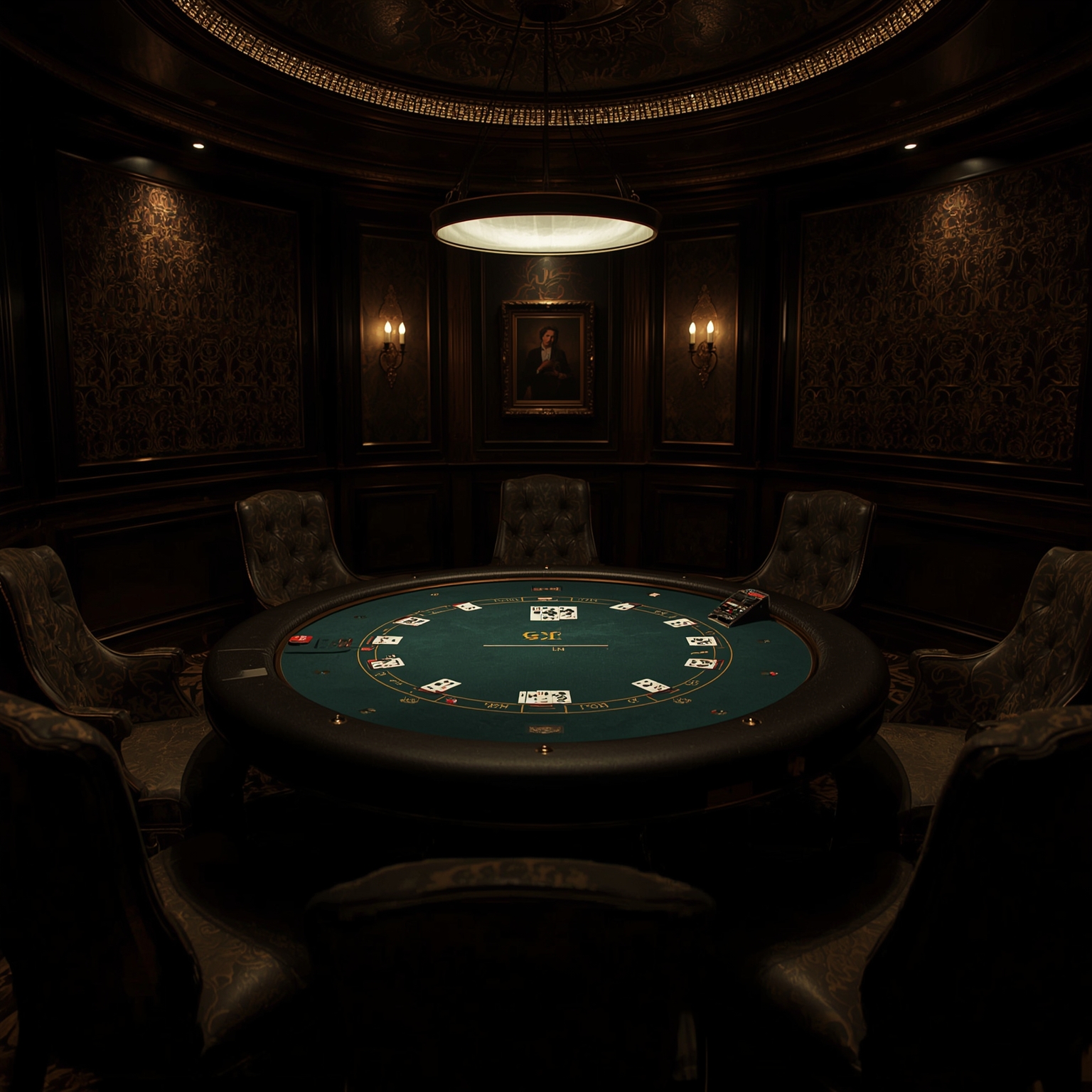
Hidden behind glittering façades and lavish poker rooms, the story unfolds with details that seem plucked straight from the silver screen. Imagine rigged automatic shuffling machines silently determining the fate of high-rollers, bodyguards known only by intimidating monikers like “Big Bruce” standing sentinel at the doors, and clandestine gatherings conducted in dimly lit suites scattered between Las Vegas and East Hampton. The entire tableau evokes the glamorous deception of an ‘Ocean’s 11’ heist or a daring episode from a James Bond thriller. Yet these elaborate scenarios arise not from a Hollywood script, but directly from the pages of a recently unsealed twenty-two-page federal indictment disclosed by prosecutors in Brooklyn.
According to the document, more than thirty individuals now stand accused of participating in a sweeping criminal enterprise involving wire fraud, the operation of illegal gambling businesses, and an extensive money laundering conspiracy. The charges reveal a meticulously orchestrated network of high-tech underground gambling clubs — circles that operate just beneath the surface of legality, thriving even in an era when digital wagering and online casinos are more accessible than ever. The indictment paints a vivid portrait of how organized criminal syndicates, exploiting both technological innovation and human greed, continued to reinvent illicit gambling for a modern audience.
This elaborate and “highly sophisticated” venture was born in 2019, beginning modestly enough with weekly high-stakes poker gatherings targeting the social elite — well-heeled financiers, entrepreneurs, and celebrities residing in New York City’s wealthiest enclaves and beyond. Among these games, some became notorious. The so-called “Lexington Avenue Game,” largely overseen by associates of the Bonanno crime family, was held in an extravagant Manhattan apartment building where penthouses can command rents of $30,000 a month. Another, dubbed the “Washington Place Game,” allegedly operated under the influence of the Gambino crime family within a stately Greenwich Village brownstone that sold for $17 million and was once a backdrop in pop culture, having featured in the television show ‘Keeping Up with the Kardashians.’
Behind the velvet invitation lists and exclusive addresses were individuals identified only by colorful nicknames such as “Flappy” and “Pookie.” These conspirators acted as coordinators — intermediaries who blended charm, intimidation, and marketing genius to assemble each event. In a particularly audacious move, they recruited recognizable names from professional basketball, including Portland Trailblazers coach Chauncey Billups and former NBA guard Damon Jones. These athletes served as so-called “face cards,” a term borrowed from poker slang for people chosen to attract attention with their charisma and celebrity appeal. Their mere presence offered credibility to an otherwise suspect enterprise, enticing affluent but unsuspecting gamblers, often referred to as “whales” or “fish,” who felt privileged to play alongside sports icons. According to prosecutors, both athletes were compensated — receiving slices of the profits in return for lending their images and participation to the scheme.
Court filings suggest that this strategy proved remarkably successful. One player, spellbound by the opportunity to sit across from a basketball legend, appeared so overwhelmed that he seemed “eager for Chauncey to take his money,” one of the defendants texted to an associate. Records reveal that for a single evening’s appearance, Billups reportedly earned $50,000, while Jones, who claimed in a message he “needed it bad,” requested a $10,000 advance for another session. The games themselves were anything but trivial: winnings exceeded $7 million overall, according to prosecutors. In one dramatic episode during the summer of 2023, a player lost $1.8 million in a single night at the Lexington Avenue table. Other participants at comparable gatherings in East Hampton lost $105,000 and $46,500 respectively, while a Miami-based victim fell prey to a $60,000 defeat in September 2024.
The allegations reverberated beyond the poker world. The NBA swiftly responded, announcing that Chauncey Billups and Terry Rozier — the latter implicated in a separate but related case — had been placed on leave pending review. “We take these allegations with the utmost seriousness,” the league stated, emphasizing its unwavering commitment to maintaining the integrity of professional basketball. Meanwhile, as news of the arrests spread across the country, defense attorneys for multiple defendants declined to comment or were unreachable, with arraignments commencing simultaneously in jurisdictions as far apart as Orlando and Portland, Oregon.
While some of the private games were straightforward affairs — illegal primarily because organized crime families collected the house’s profits — others were far more sinister. These were the matches that integrated intricate, clandestine technologies worthy of a cinematic thriller. In several instances, the equipment itself, initially appearing as standard gaming hardware, had been modified by specialists who infused it with espionage-level modifications.
The most common device-based rig centered around adulterated shuffling machines. Outfitted with hidden microelectronics provided by conspirators known only as “Black Tony,” “Black Rob,” “Sugar,” and “Curt,” these machines could surreptitiously read or scan every card in the deck as they were shuffled. The resulting data was transmitted to associates stationed remotely — often hundreds or even thousands of miles away. These distant operatives, such as the aptly nicknamed “Sugar,” analyzed the information and relayed it instantly via cell phone to confederates seated at the table, referred to as “drivers” or “quarterbacks.” These insiders, equipped with coded gestures like a discreet tap to the chin or a faint touch to the wrist, would signal their partners, thereby indicating which player held the superior hand. With that secret knowledge, the scammers could manipulate bets, playing patterns, and psychological cues so subtly that few victims detected foul play even after devastating losses.
Beyond the doctored shufflers, other deceitful mechanisms appeared equally ingenious. Certain games utilized poker tables embedded with X-ray or infrared technology capable of reading card values, while others employed chip trays wired with miniature cameras concealed beneath the surface. Some participants reportedly used “card analyzers” — electronic devices disguised as ordinary phones — to transmit or display the cards in play. Perhaps most audacious were decks marked with microscopic symbols perceptible only to individuals wearing specially engineered sunglasses or contact lenses. The sum effect was a web of technological deception that blurred the line between cheating and surveillance science.
Occasionally, the conspirators intentionally engineered losses, texting each other across the table to avoid arousing the slightest suspicion. One defendant, going by the name “Big Mikey,” captured this psychology in a message dated September 2024: “Guys please let him win a hand, he’s in for 40k in 40 minutes — he’ll leave if he gets no traction.” Such strategic sacrifices maintained the illusion of authenticity, ensuring victims remained ensnared in the charade.
However, the balance of probability ensured that the schemers almost always emerged victorious. Once their fabricated victories were secured, the next phase relied on far more rudimentary, if brutally effective, tactics. According to prosecutors, members of the Bonanno, Gambino, and Genovese families resorted to traditional methods of enforcement: intimidation, threats, and, when necessary, outright violence. One victim later texted that the organizers had “sent goons” after him when he hesitated to settle his debts, a chilling reminder that beneath the veneer of sophistication lay the old, ruthless machinery of organized crime.
Proceeds collected from these underworld gaming ventures were laundered through a complex network of shell corporations managed by a conspirator known as “Doc.” These entities served as conduits to disguise the origin of the funds before they were redistributed as cryptocurrency or converted back into physical cash. This intricate process completed the cycle — from the high-tech deceit of rigged games to the shadowy cleansing of criminal profits — achieving an appearance of legitimacy that would have eluded simpler forms of fraud.
This sprawling indictment represents just one of two federal cases simultaneously confronting key players such as Sugar, Jones, and an associate nicknamed Spook. In a parallel effort brought by Brooklyn’s federal prosecutors, several current and former NBA athletes were also accused of operating a different form of gambling conspiracy, this time focused on exploiting private information and feigned injuries to place deceptive online bets. Together, the twin prosecutions illuminate a modern criminal landscape where technology, celebrity, and corruption intertwine — a world that, while superficially glamorous, hides greed, manipulation, and danger beneath its polished surface.
Sourse: https://www.businessinsider.com/nba-gambling-charges-chauncey-billups-damon-jones-illegal-poker-tech-2025-10


