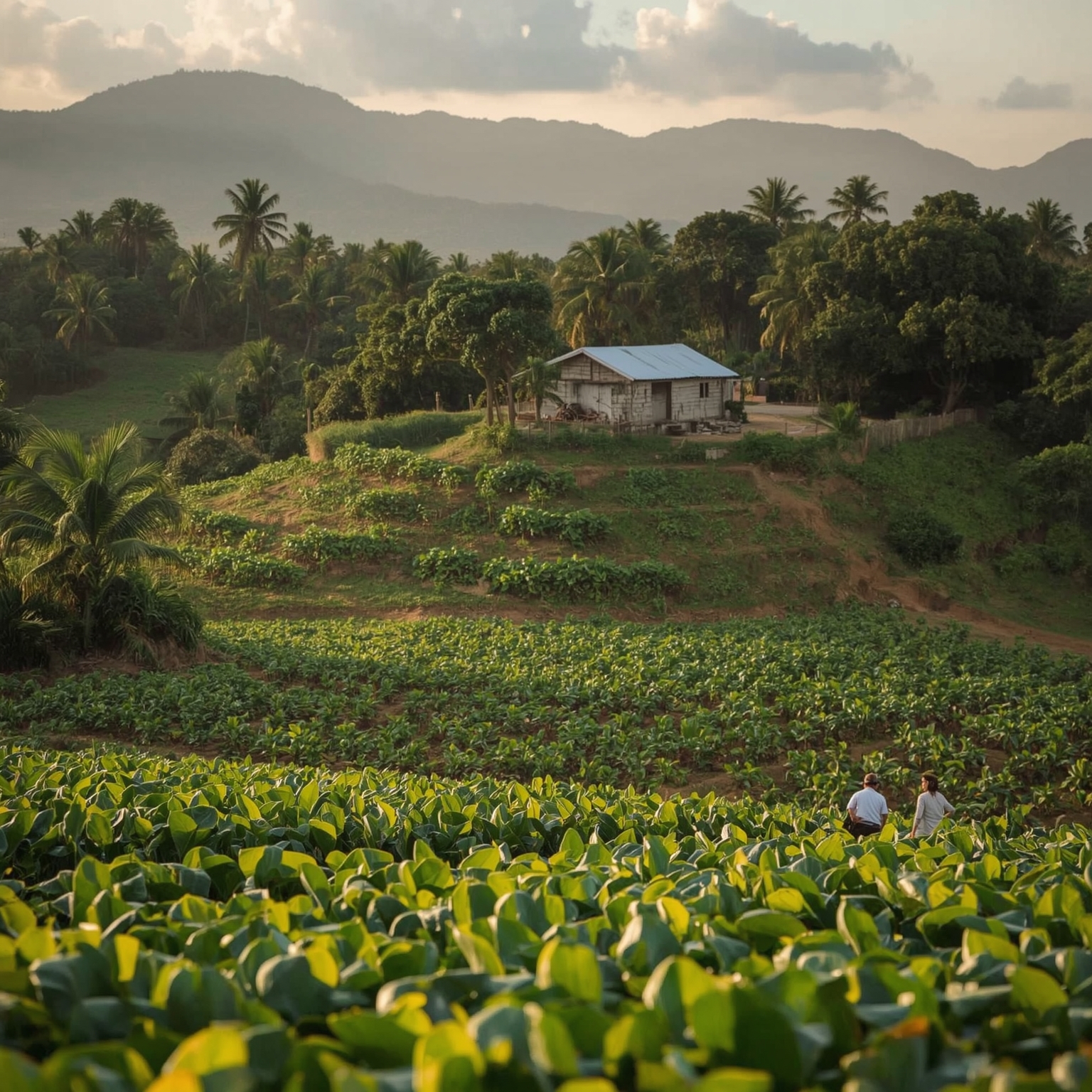
Although my husband and our families have long believed that our choice to abandon what we often call “the matrix” and begin a homesteading life high in the mountains was the product of sudden whim or romantic impulse, such revelations about one’s place in the world rarely strike out of nowhere. People do not simply open their eyes one morning and instantly sense they no longer belong in the structures society has built for them. That particular moment of clarity generally represents years—sometimes decades—of quiet unrest, introspection, and cumulative discomfort with conventional expectations. In my own case, this struggle had existed for most of my life: even in high school, my classmates noticed the streak of defiance that defined me and voted me “least likely to conform,” an acknowledgment that foretold everything that was to come.
Both Paul and I grew up under the influence of parents who had come of age during the Great Depression, a generation that valued stability, thrift, and strict adherence to what they considered the proven path toward respectability. From childhood, we were subtly trained to aspire to a very particular version of the American dream: pursue higher education, find secure employment, scale the corporate ladder step by cautious step, marry respectably, and raise that perfectly measured family of two-point-something children in a pleasant suburban neighborhood. Yet neither of us fit that blueprint comfortably. We were, as the saying goes, square pegs perpetually struggling against the round holes of conformity. While our peers found satisfaction in becoming seamlessly molded professionals—men and women content to trade their time for a salary and measure their success by promotions, bonuses, and possessions—we always sensed that our lives were meant to unfold at a very different rhythm. Deep down, both of us knew that we would never thrive in cubicles or boardrooms, surrounded by fluorescent light and corporate jargon. The world we longed for existed elsewhere—a quieter place defined by solitude, self-sufficiency, and a profound connection to the natural world, where we could cultivate the earth, care for animals, and experience the deep peace that comes from living in harmony with the land. Our visions for the future, it turned out, were perfectly synchronized.
The idea of dedicating an entire lifetime to careers that felt spiritually empty except on pay day, or when momentarily distracted by the excitement of our latest purchases, was deeply unsettling to both of us. The hollowness of that cycle—the work, the reward, the fleeting pleasure of consumption—was impossible to ignore. When Paul and I began dating in 1997, our shared dissatisfaction soon turned into a plan. In truth, our very first date became less about romance and more an exercise in mutual liberation: together, we mapped out our eventual escape from the corporate labyrinth, daring to imagine a simpler life on a mountain somewhere. We understood that achieving this dream required patience and pragmatism; we would have to play by the rules for a few more years in order to set aside the funds to build the life we envisioned. That compromise—conforming temporarily—felt bearable because it carried purpose. Our corporate jobs allowed us two annual vacations, which we cunningly used not for relaxation but for reconnaissance, traveling widely in search of our possible future home. France enchanted us with its countryside, Mexico beckoned with warmth and community, various U.S. states offered prospects, and Puerto Rico silently whispered promises of belonging.
By 2008, seven years into marriage and settled in Southern California, we were both entrenched in the biotech sector. When the company we worked for announced imminent layoffs, we recognized it as the unmistakable sign we had been waiting for—the universe’s quiet approval of our long-held plan. Without hesitation, we put our house on the market, collected our final stock awards, and tendered our resignations. We were finally free.
Puerto Rico had already begun to weave itself into our story. We had visited twice, but on the second trip the connection deepened profoundly. We stayed on an eight-acre farm in a small interior town where the mountains seemed to cradle every conversation and breeze. Driving up and down winding rural roads, we imitated the friendly local custom of calling out joyful greetings—“Yo!”—to passersby, a gesture that earned us curious smiles and amused glances, no doubt amplified by our awkward accents and extremely limited Spanish vocabulary. In fact, between us, we knew only five words, yet that linguistic gap did not prevent warmth from flowing freely. Neighbors we scarcely knew invited us into their homes for dinner, eager to share food, laughter, and stories. By the fourth day, I turned to Paul and said what we both already felt in our bones: “It’s as though we’ve been wandering the earth for forty years, and finally, we are home.” He didn’t hesitate before agreeing.
The mountains continued to call to us with increasing insistence, and when we returned determined to find a property of our own, fate guided us back to the same region—Utuado—where our hearts had first settled. There we discovered a fifteen-acre farm that seemed to fulfill every hope we had whispered to each other: secluded enough to grant privacy, spacious enough for animals, and rich enough in soil and trees to sustain our vision of self-reliance. When we purchased it, the land was dense with eight thousand aging coffee trees, which we gradually replaced with a breathtaking array of fruit trees, graceful palms, and bamboo species gathered from across the tropical world. Over time, our farm evolved into both a sanctuary and a source of livelihood. We became consultants to newcomers seeking guidance on tropical agriculture. Our days filled with the rhythm of life—goats bleating for attention, ducks gliding through clear ponds, chickens clucking at dawn to rouse us in place of alarm clocks, and our charismatic pig, Cora, reigning proudly as the farm’s unofficial mascot. A rotating family of dogs and cats roamed freely across the property, turning our homestead into a lively community of humans and animals sharing the same patch of paradise.
In 2017, when Hurricane Maria struck with unprecedented force, forty percent of our trees were destroyed, and for months the land bore the visible scars of the storm’s violence. Yet even amid such devastation, we found resilience. Together with other members of Puerto Rico’s organic farming community, we embarked on years of rebuilding—replanting, repairing, rediscovering. The hardship only deepened our commitment to both the island and the lifestyle we had chosen. Nature had tested us, but it had also reaffirmed our belonging.
Today, we live a life that feels wholly authentic, the one we were always meant to embrace. The persistent questions from our families—“When are you coming back home?”—have long ceased. Eventually, they understood what we had been gently telling them for years: we never left home; we simply found it anew. After witnessing us rebuild our farm with unshaken devotion after the hurricane, they finally recognized that truth.
Our Spanish, once practically nonexistent, now flows comfortably enough for daily conversation, and the locals affectionately call me Doña—a title that carries deep respect for older women and makes me feel genuinely accepted into the fabric of this community. Financially, our consulting work does not mirror the lucrative income we once earned in California, but the spiritual and emotional wealth of our current life outweighs any lost dollars. Even our most difficult days on the farm—the ones marked by storms, broken fences, or sleepless nights—offer more satisfaction, more meaning, than our most successful corporate days ever could.
Sometimes I wonder what our Depression-era parents would think of the choices we made. Despite our rejection of the path they laid out for us, I hope they would look upon our lives with pride, seeing that we pursued integrity, happiness, and self-reliance above convenience. And though I diverged from my classmates’ expectations of traditional success, I suppose I proved them right in another way: I was indeed never meant to conform—only to create a different kind of life, one that feels fully, beautifully our own.
Sourse: https://www.businessinsider.com/quit-career-california-biotech-bought-farm-puerto-rico-new-life-2025-10


