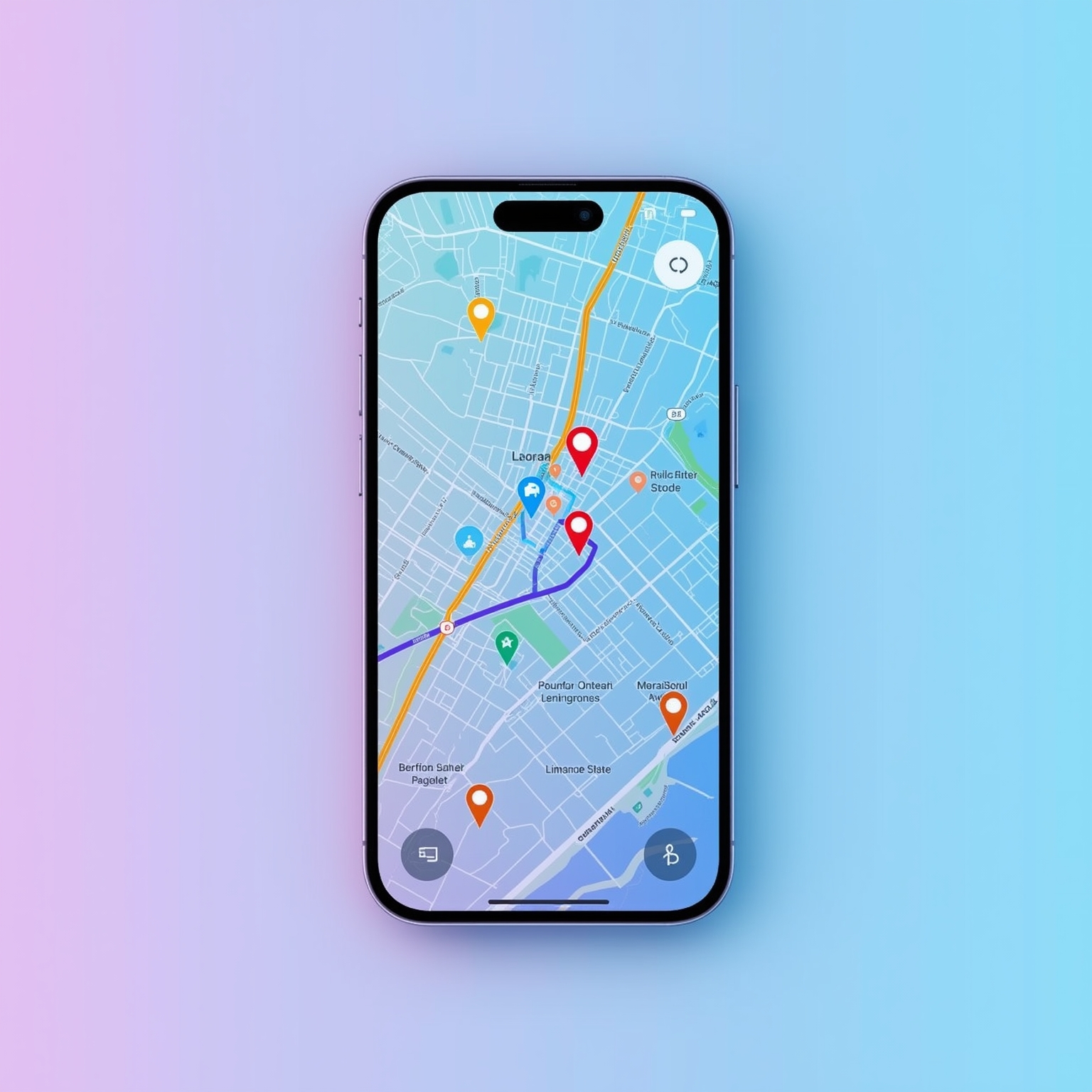
According to a recent report published by Bloomberg journalist Mark Gurman, users of Apple Maps may begin encountering advertisements within the app as early as next year. This anticipated development suggests that Apple could soon expand its commercial strategy by incorporating promotional content directly into one of its most widely used navigation services, signaling a significant evolution in the company’s approach to digital advertising and user engagement.
Gurman notes that Apple’s initiative would resemble the advertising models already employed by competitors such as Google Maps and other mapping platforms. Under this system, physical establishments — including restaurants, retail stores, and other local businesses — would be able to purchase visibility within the app’s search results. By paying for promotional placement, these businesses could highlight their locations more prominently when users search for related categories or nearby services, effectively turning Apple Maps into a more dynamic space for location-based marketing. This would align Apple’s navigation product with the practices that have long generated revenue and commercial opportunities for competing platforms.
Although Apple has already established an advertising presence within certain parts of its ecosystem, particularly through paid placements in the App Store, this potential addition to Apple Maps appears to represent a broader and more strategic move. The company seems intent on expanding its advertising footprint throughout iOS, gradually weaving monetized experiences into areas where they previously did not exist. If implemented, the decision would mark a notable step toward integrating promotional content more deeply into Apple’s service offerings while still maintaining the brand’s hallmark design standards and user-focused ethos.
Reports suggest that Apple will differentiate its advertising approach by emphasizing a refined and user-friendly interface, ensuring that promotional elements blend harmoniously with the app’s overall experience. Furthermore, the company is expected to leverage artificial intelligence and advanced algorithms to display the most contextually relevant results, thereby enhancing both usability and personalization. The use of AI in this capacity implies that users may see ads that genuinely correspond to their current locations, preferences, and search intentions, theoretically minimizing disruption while maximizing practical value.
Yet, as Mark Gurman points out, the ultimate test for Apple lies not merely in the technological execution of this plan but in how consumers perceive it. For years, Apple has cultivated a reputation as a company that prioritizes privacy, simplicity, and a polished, ad-minimal environment across its devices and applications. The growing presence of paid promotions could therefore provoke resistance among some of its customers, who might view the increasing commercialization of Apple’s ecosystem as a departure from its original ideals. The central question becomes whether Apple’s loyal user base — long accustomed to a premium, uncluttered digital experience — will accept a future in which their devices and apps gradually evolve into subtle billboards encouraging them to purchase additional Apple services or partner offerings. This potential tension between user expectations and corporate strategy underscores the delicate balance Apple must navigate as it continues to expand its advertising ambitions across iOS.
Sourse: https://techcrunch.com/2025/10/26/ads-might-be-coming-to-apple-maps-next-year/


