As artificial intelligence models advance and grow increasingly sophisticated in their ability to interpret a wide array of input types—ranging from written language and spoken commands to visual data such as photographs or scanned images—their utility in converting these inputs into structured nutritional insights has expanded dramatically. This surge in capability has catalyzed a remarkable boom in the fitness technology landscape, particularly among mobile applications designed to help individuals log and analyze their food consumption. A new generation of startups, including Alma and Cal AI, have emerged, while well-established platforms such as LifeSum, Healthify, MyFitnessPal, and MyNetDiary have evolved their offerings, either by introducing entirely new products or by incorporating enhanced, AI-driven nutritional tracking tools into their ecosystems.
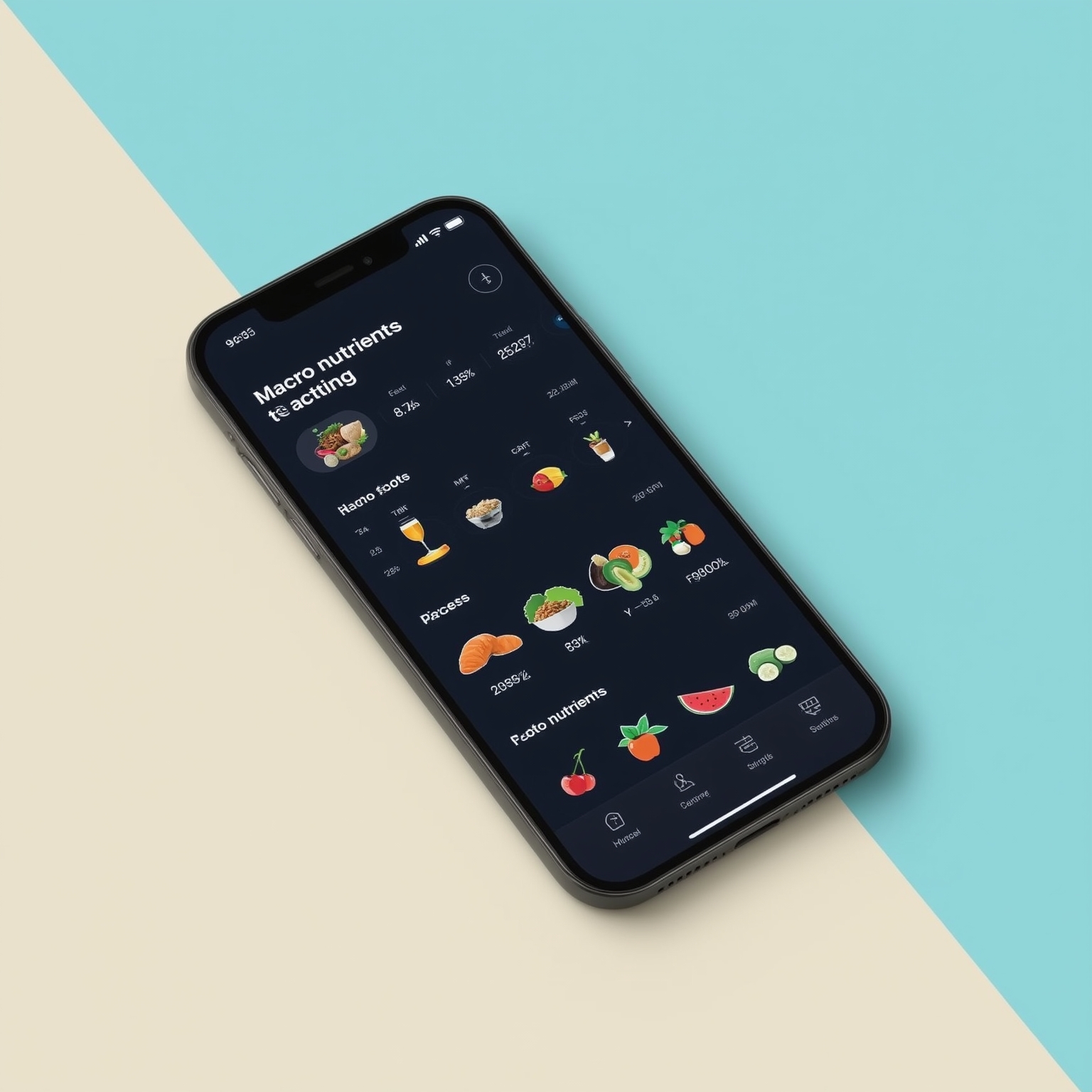
Against this rapidly expanding backdrop, the strength training application Ladder has entered the fray with strategic intent, unveiling its own integrated calorie-tracking experience known as Ladder Nutrition. Embedded seamlessly within the primary Ladder app, this new feature mirrors other leading trackers in its functionality: users can record their meals and snacks through multiple convenient methods. Whether by capturing a photo of a dish, scanning a barcode, typing food details manually, or providing a spoken description of their meal, the app harnesses AI to estimate key macronutrients—proteins, carbohydrates, and fats—based on the submitted data. For greater precision, users retain the ability to adjust portion sizes and modify estimates after review.
Ladder asserts that its competitive edge lies in unifying two critical aspects of fitness management: nutrition and physical training. Since members already rely on Ladder to monitor their workouts, integrating calorie and macronutrient tracking creates a single, holistic platform that consolidates both inputs (nutrition) and outputs (exercise performance) in one place. According to the company, this integration not only simplifies the user experience but also deepens the understanding of how dietary choices directly affect strength training results.
Behind the scenes, Ladder Nutrition leverages a network of AI models that specialize in different analytical tasks, including image recognition, ingredient identification, and quantitative macronutrient calculation. The company acknowledges, however, that a common limitation in many existing food-recognition models is their heavy reliance on U.S.-centric datasets, which can lead to inaccuracies when identifying international cuisines or region-specific dishes. To address this, Ladder partnered with a global nutrition data provider, ensuring that its algorithms can accurately interpret food items from diverse cultures and geographic areas. By adopting an ensemble approach—where multiple AI models work collaboratively—the platform ensures redundancy and precision: if one model struggles to classify a meal or determine its macronutrient composition, another model seamlessly takes over to fill the gap.
In addition to standard calorie and macronutrient tracking, Ladder Nutrition introduces a dedicated “protein mode,” an option designed to help users pay closer attention to their daily protein intake—a critical component in building and maintaining muscle. To enhance motivation and encourage long-term consistency, the feature also integrates elements of gamification: users can earn streaks, badges, and receive periodic reminders that celebrate their progress, turning the otherwise routine act of food logging into an engaging and goal-oriented experience.
The company’s development roadmap was heavily influenced by feedback from its user community. According to Ladder, a comprehensive member survey conducted the previous year revealed a clear demand among users for a built-in nutrition tracker, rather than relying on external applications. This insight guided the company’s product priorities, prompting them to prioritize and launch the nutrition-tracking module during the current development cycle. Early testing over the past month has yielded promising results—approximately seventy percent of participants reported that, after experiencing the new functionality, they intended to switch from their existing calorie-tracking apps to Ladder’s native solution.
Speaking to TechCrunch, Ladder’s CEO Greg Stewart emphasized that the addition of nutritional monitoring was not merely a supplementary feature but a natural progression of the company’s overarching mission. “Nutrition was the next logical step for Ladder, and our members were pleading with us for it,” he explained. Stewart added that users were seeking an intelligent, streamlined way to connect their dietary habits with their athletic performance, and Ladder Nutrition was engineered precisely to meet that demand. He further noted that this launch represents only the beginning of a more ambitious vision: in the future, the company intends to expand upon this foundation by developing features that provide prescriptive, individualized guidance—helping users understand what to eat, how to properly fuel their workouts, and how to continuously optimize their nutrition according to personal training habits and evolving fitness goals.
At present, the nutrition tracking functionality is available at no additional cost to all Ladder subscribers. Members, who currently number over 300,000 worldwide, can access the full range of Ladder Nutrition’s capabilities as part of their existing subscription plans, which are priced at $29.99 per month or $179.99 annually. By integrating training and nutrition management within a single, AI-enhanced environment, Ladder is positioning itself at the forefront of a new era in fitness technology—one where physical performance, dietary insight, and adaptive intelligence converge to empower users on their health and wellness journeys.
Sourse: https://techcrunch.com/2025/10/27/workout-app-ladder-launches-nutrition-tracking-experience/


