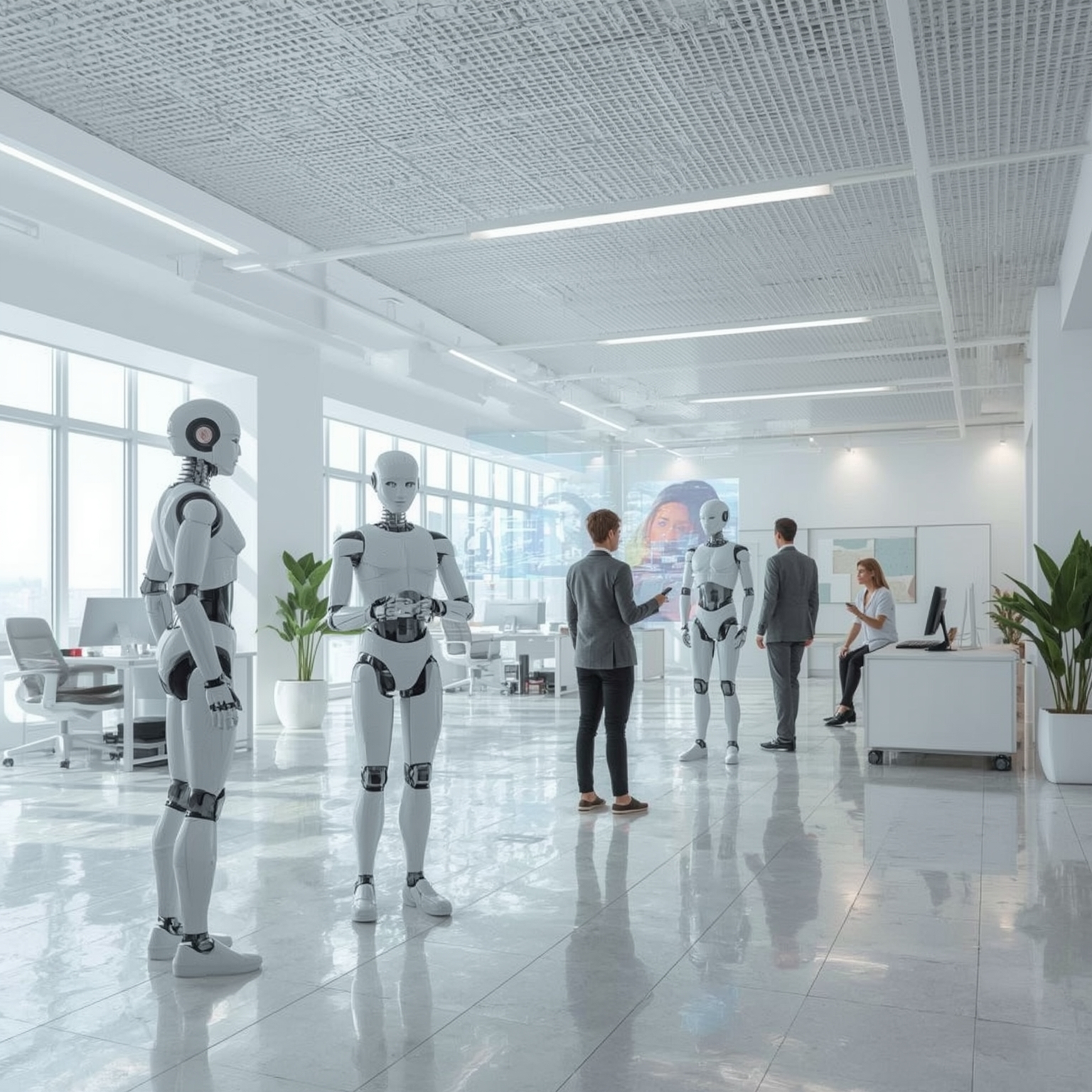
Eric Yuan, the founder and chief executive officer of Zoom, has articulated a striking vision for the near future—one in which advances in artificial intelligence could drastically reduce the standard workweek. Addressing the audience at the 2025 TechCrunch Disrupt conference, Yuan explained that the rapid evolution of AI technology could soon enable professionals across industries to work fewer days without sacrificing productivity or collaboration. Central to this transformation, he suggested, is the growing integration of intelligent assistants within communication and productivity platforms such as Zoom.
During his presentation, Yuan described how his company has embraced AI at the core of its operations, weaving it into the fabric of its videoconferencing product to create dynamic new experiences for users. One of the most innovative elements of this initiative is a feature he called the “digital twin” — an advanced AI avatar capable of representing an individual in virtual meetings by speaking and interacting on their behalf. Yuan personally demonstrated this technology earlier in the year during a corporate earnings call with investors, allowing his digital counterpart to convey portions of his remarks. This live demonstration served to underline what he described as AI’s remarkable potential to expand the “boundaries of communication,” reshaping the way people engage and collaborate online.
At Disrupt, Yuan devoted considerable time to discussing how artificial intelligence could be harnessed effectively and responsibly, emphasizing the importance of bringing the right types of AI-driven products to market. When asked by a moderator about where his primary investments and strategic priorities lie, his concise yet emphatic response—“AI, AI, and AI”—drew attention to just how central this technology has become within Zoom’s organizational vision. He noted that the company’s leadership team now dedicates multi-hour sessions to strategic dialogues exclusively about AI, reflecting the company’s belief in its transformative capacity to redefine not only how work is done but how time is valued.
Yet Yuan’s vision extends beyond the immediate application of AI in video meetings. He elaborated on numerous additional use cases for digital assistants and AI companions that go far beyond merely substituting human presence in online calls. For example, he described a scenario in which two executives from different companies, rather than engaging in lengthy, repetitive negotiations themselves, could deploy their respective digital twins to draft and refine an agreement before the human decision-makers review and approve it. This concept illustrates an emerging paradigm of asynchronous collaboration—one that promises to accelerate workflows and minimize the cognitive load associated with prolonged communication.
Yuan also highlighted how these technological companions could streamline daily professional routines beyond conferencing. They could, for instance, take over the cumbersome task of sorting through emails, prioritizing urgent messages, and even summarizing key points, thereby allowing humans to focus attention only where it is most needed. By intelligently filtering and interpreting information, AI could become an indispensable personal aide for managing the ever-increasing digital noise of the modern workplace.
Furthermore, Yuan expressed his belief that AI will not remain confined to a single product but will permeate Zoom’s broader ecosystem—enhancing the suite of tools that already includes interactive whiteboards and collaborative document platforms. Today, he explained, users must manually navigate among these various applications to complete their tasks. In contrast, the future he envisions involves AI seamlessly coordinating across all those platforms, anticipating user needs, and orchestrating workflows almost autonomously.
Bringing his discussion to its forward-looking conclusion, Yuan connected these technological possibilities to a larger societal shift. As automation takes over repetitive administrative and communicative functions, he foresees a time—perhaps within the next five years—when the traditional five-day workweek may no longer be necessary. Instead, he projected a more balanced arrangement where three- or four-day workweeks could become standard, redefining productivity and allowing individuals to dedicate more time to creativity, rest, and personal pursuits. His concluding remark—“That’s the goal”—captured both an optimistic belief in AI’s liberating potential and a challenge for industry leaders to harness innovation in ways that genuinely improve human lives.
Sourse: https://techcrunch.com/2025/10/27/zoom-ceo-eric-yuan-says-ai-will-shorten-our-workweek/


