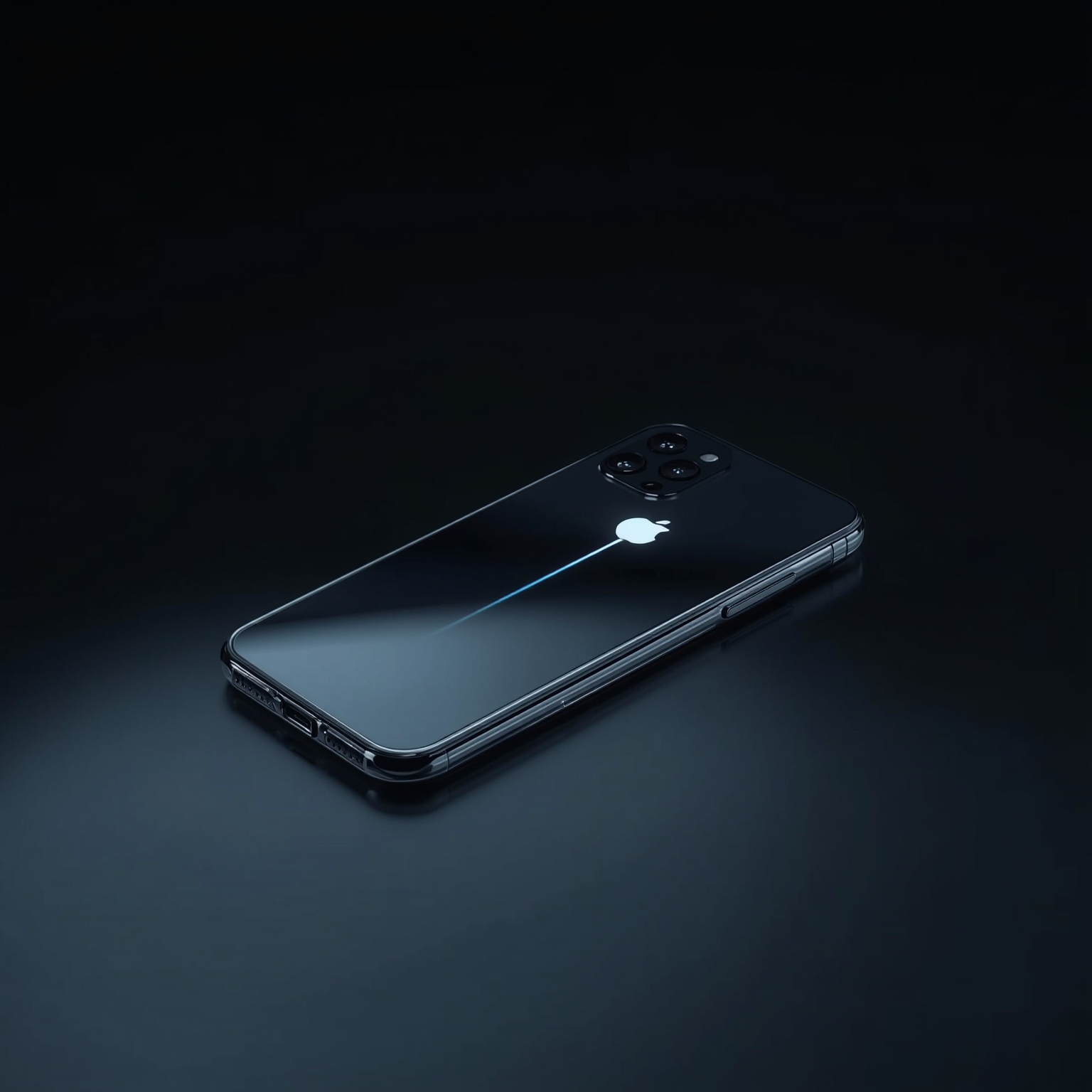
After the release of Nothing’s latest flagship model, the Phone 3, which boldly abandoned the company’s instantly recognizable Glyph Light system in favor of a new dot matrix display, the brand is now revisiting its visual roots with a more approachable variant — the Phone 3A Lite. This device reintroduces the celebrated Glyph concept, albeit in a dramatically simplified form. In place of the intricate multiple-light array that once defined Nothing’s design aesthetic, buyers will now find a single luminous element: one solitary LED. The phone officially launches today across the United Kingdom and Europe, marking an accessible entry point into Nothing’s ecosystem for these regions. However, enthusiasts in the United States will have to admire it from afar, as the brand has confirmed there are no plans for an American release.
Nothing has explained that this lone light, tucked neatly into the handset’s bottom-right corner, draws direct inspiration from older smartphones that featured classic notification indicators—those small but surprisingly useful LEDs that discreetly flashed to signal missed calls, unread messages, or app alerts. Although its presence might initially seem modest compared to the multi-part, rhythmically pulsing Glyph systems of earlier models, the 3A Lite maintains a wide range of functionalities derived from those complex predecessors. Users can lay the device face-down to activate a silent notification mode in which the light communicates alerts visually without making a sound, making it ideal for meetings, theaters, or late-night settings. Additionally, one can program personalized light sequences assigned to specific contacts, allowing the phone to subtly display who is calling or messaging even when the screen stays off. The LED also functions as a clever countdown animation for the camera timer—an elegant detail that adds a bit of visual flair to everyday photography.
In terms of aesthetic design, the Phone 3A Lite adheres closely to Nothing’s iconic industrial style. It comes in the brand’s two traditional colorways—black and white—each version highlighting a semi-transparent rear panel that reveals hints of the internal architecture, framed by a single red accent that punctuates the design language with subtle contrast. The camera module employs an asymmetrical layout, continuing the design direction that divided opinion with the flagship Nothing Phone 3. While some skeptics may still find this visual imbalance puzzling, the execution here feels more refined and intentional, offering a sleeker impression overall. A prominent panel-like section on the rear adds further intrigue: at first glance, it appears as if it might open to allow for easy access to internal components such as the battery. Yet, in a statement to *The Verge*, Lewis Hopkins, Nothing’s senior global PR manager, clarified that this element is purely cosmetic. It mimics the appearance of a removable battery compartment but is, in fact, a “simulated battery design,” crafted only for visual effect rather than functional modularity.
Powering the device is MediaTek’s Dimensity 7300 Pro 5G chipset, a mid-range processor optimized for balanced performance and efficiency. It pairs with 8GB of RAM to ensure smooth multitasking and supports internal storage options of either 128GB or 256GB. Notably, Nothing includes support for microSD expansion—an increasingly rare feature among contemporary smartphones—allowing users to add up to 2TB of additional storage space. The handset’s 5,000mAh battery promises solid endurance for daily use, though its 33W wired charging standard, while competent, does not rival the rapid-charging capabilities offered by some competitors. The screen, however, elevates the experience: a 6.77-inch OLED display operating at a 120Hz refresh rate provides crisp visuals and fluid motion, catering both to casual users and those who appreciate smoother interactions. The device carries an IP54 rating as well, protecting it against limited dust ingress and splashes of water—adequate for everyday resilience, if not full immersion.
Photography enthusiasts may find the camera hardware appealing. The primary rear camera employs a 50-megapixel sensor that measures 1/1.57 inches, paired with an f/1.8 aperture. This combination suggests strong potential for capturing detailed images and performing well in low-light scenarios, positioning it as one of the phone’s main strengths. However, that confidence applies chiefly to the main sensor, as the supporting cameras are notably more modest. The 8-megapixel ultrawide lens delivers functional versatility but hardly groundbreaking image quality, and the third rear camera serves solely as a macro lens—offering close-up photography capabilities but limited general usefulness. On the front, a 16-megapixel selfie camera completes the photographic setup, likely providing reliable output for everyday communication and social media use.
The Nothing Phone 3A Lite is available for purchase starting today throughout the UK and continental Europe. Pricing begins at £249 or €249 (approximately $310 USD) for the model with 128GB of storage, while the higher-capacity 256GB version is priced at £279 or €279 (roughly $350 USD). The device runs on Nothing OS 3.5, which is built upon Android 15, maintaining the company’s commitment to a clean, minimal, and cohesive software experience that aligns with the physical design philosophy of its hardware. Buyers can also expect continued support over the long term: Nothing has pledged three years of major Android updates and six years of ongoing security patches, underscoring its intention to offer both value and longevity in a market that often prioritizes novelty over durability. In essence, the Nothing Phone 3A Lite represents a thoughtful distillation of the brand’s core identity—balancing affordability, aesthetic intentionality, and subtle innovation—while rekindling, in its own restrained manner, the luminous charm that first set the Nothing lineup apart.
Sourse: https://www.theverge.com/news/808908/nothing-phone-3a-lite-launch-price-availability


