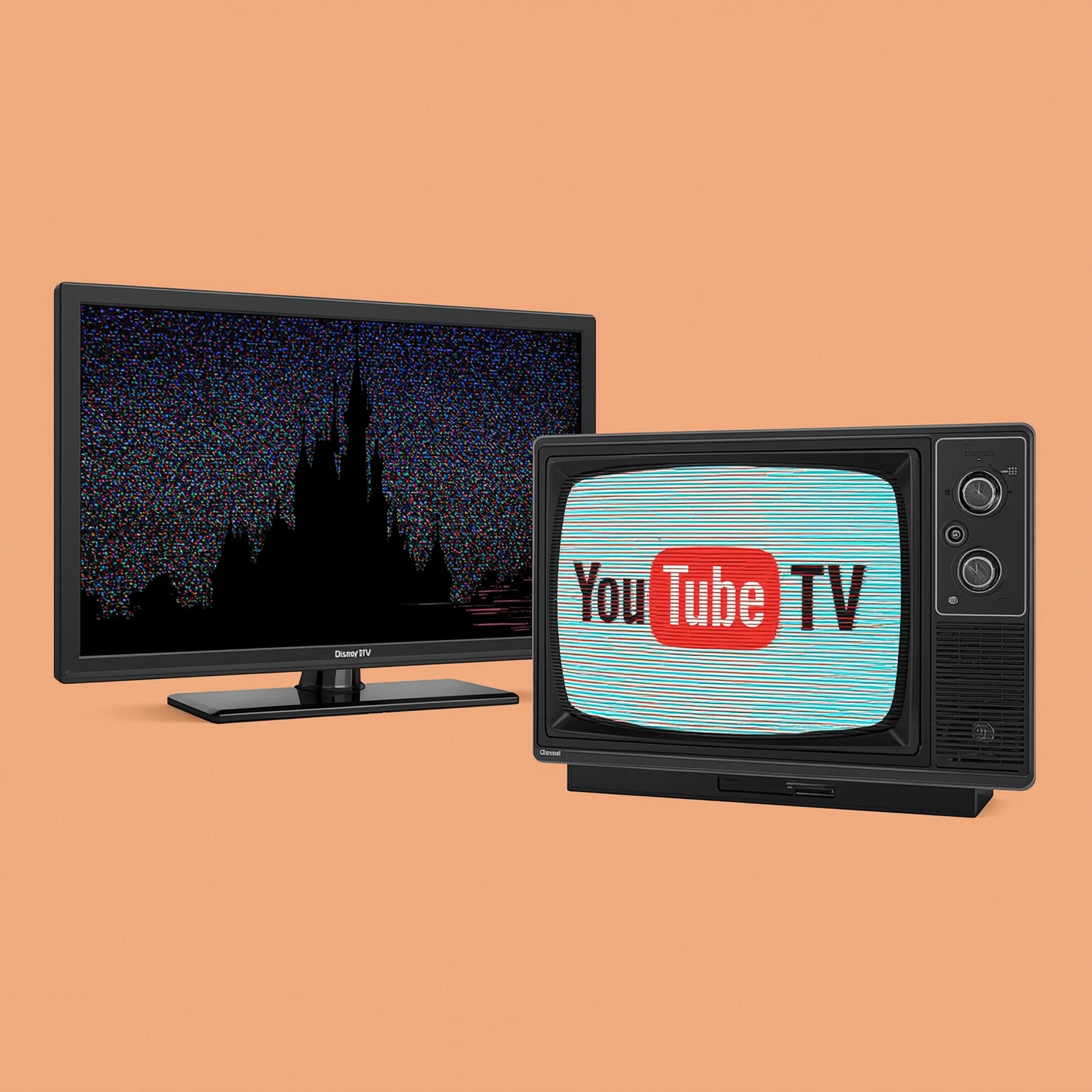
In a striking development that underscores the volatility of today’s media landscape, several major Disney-owned networks — most notably ESPN, ABC, and their affiliated channels — have abruptly disappeared from YouTube TV’s lineup following the collapse of critical contract renewal negotiations. This sudden blackout represents far more than a temporary inconvenience for viewers; it serves as a vivid illustration of the shifting balance of power within the increasingly competitive streaming industry. As each side strives to assert control over pricing, distribution rights, and long-term strategic influence, the episode sheds light on the complexity and fragility of content licensing agreements that underpin much of the modern entertainment ecosystem.
At the center of the dispute lies a breakdown in talks between Disney, one of the most influential content producers and network owners in the world, and YouTube TV, Google’s fast-growing live television streaming platform. The negotiations reportedly aimed to renew carriage agreements that would keep Disney’s array of channels available to YouTube TV subscribers. However, after both companies failed to reach a mutually acceptable compromise before the existing contract expired, Disney immediately pulled its programming from the service. As a result, millions of subscribers found themselves unable to access popular sports broadcasts on ESPN, regional coverage, or ABC’s regular programming — a development that quickly sparked frustration and confusion among viewers.
This event arrives at a time when the so-called “streaming wars” have intensified, with legacy media conglomerates and tech-based distribution platforms vying for market dominance and consumer loyalty. Rising licensing costs and divergent business models have placed mounting pressure on negotiations between content owners and stream aggregators, often resulting in public disputes or service interruptions such as this one. Disney’s steady expansion of its own direct-to-consumer platforms, combined with YouTube TV’s efforts to preserve affordability and content breadth, makes such negotiations increasingly complex. The outcome of this impasse could signal how future contracts across the industry are structured, influencing not only pricing but also access and competition across the broader digital entertainment sphere.
For subscribers, the immediate question is whether this stand-off will drive them to explore alternative streaming providers or push either company toward a more conciliatory resolution. Historically, such blackouts tend to exert pressure on both sides — platforms risk subscriber churn, while networks risk losing advertising exposure and audience engagement. As both Disney and YouTube TV navigate the fallout, their ultimate resolution will likely offer insight into how media power dynamics continue to evolve in an age defined by on-demand access and shifting consumer expectations.
In essence, Disney’s withdrawal from YouTube TV illustrates a defining tension of twenty-first-century broadcasting: the ongoing struggle to reconcile content ownership, technological innovation, and fair value in a rapidly transforming media environment. Whether this moment stands as a temporary disruption or a harbinger of broader realignment, it is certain to shape forthcoming negotiations and influence how audiences experience live television in the digital age.
Sourse: https://www.wsj.com/business/media/disney-channels-go-dark-on-youtube-tv-c48d8b2c?mod=pls_whats_news_us_business_f


