At 40 years old, Joseph Dube would never describe himself as a fitness fanatic or someone who spends hours perfecting his form at the gym. In his own words to Business Insider, he clarified this fact with a wry sense of humor, explaining that as an art school graduate, terms such as “buff” hardly applied to his personal identity. His background was rooted more in creativity and visual expression than in the pursuit of athletic achievement.
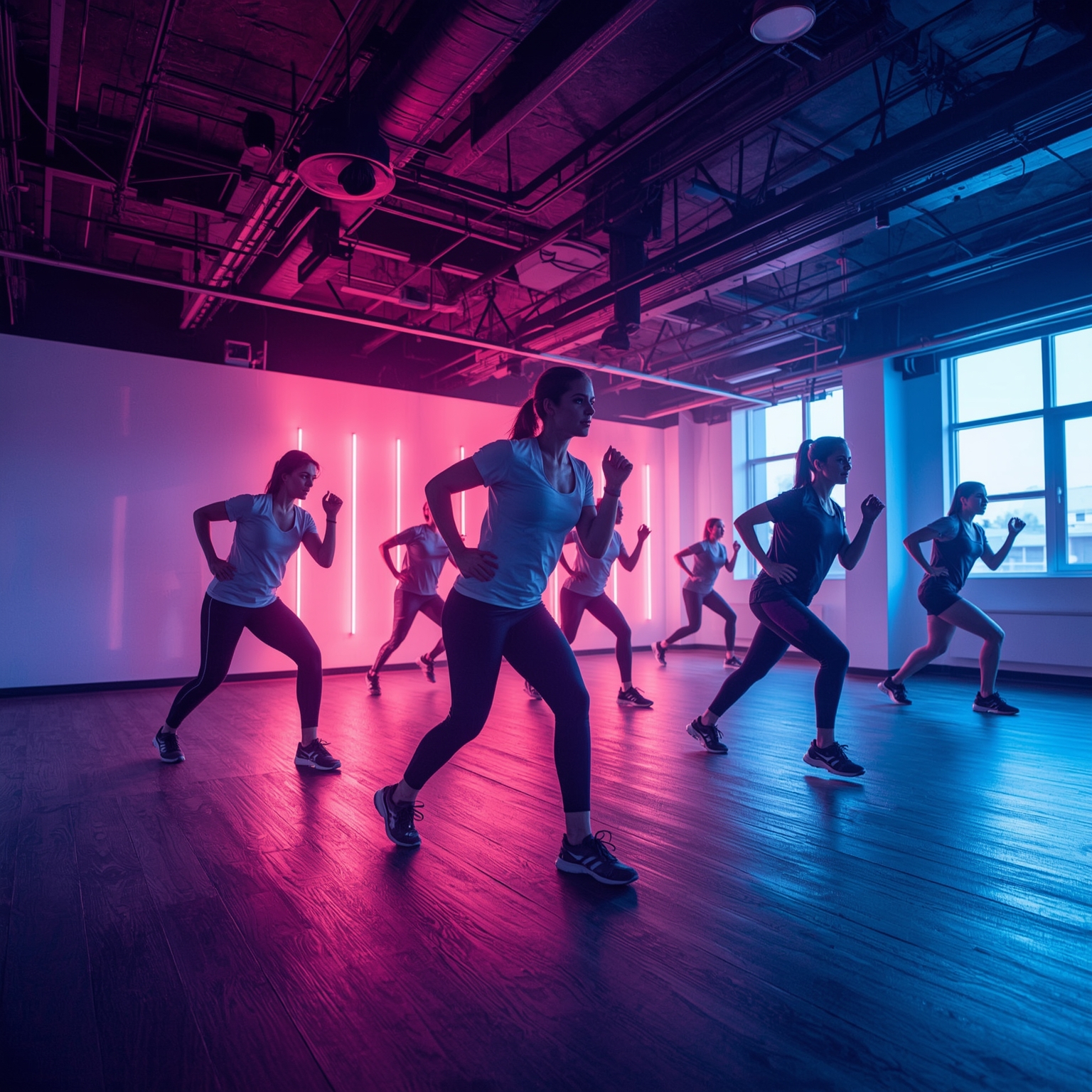
Nevertheless, Dube recently decided to challenge himself by stepping far outside his comfort zone and participating in a high-intensity bootcamp-style HIIT class, an activity organized by his colleagues at KraneShares, a New York–based investment firm where he works. The workout demanded endurance and resilience: participants rotated through stations every forty-five seconds, each exercise pushing their strength, stamina, and coordination. By the end of the session, Dube found himself trembling from exertion, his muscles fatigued and his breath heavy. The aftermath lasted for days—he confessed to being sore well into the week—but despite the physical strain, he described the experience as unexpectedly rewarding. It provided not only a sense of personal accomplishment but also a deeper awareness of his coworkers’ personalities, teamwork, and motivation. After the class ended, the group lingered together, chatting and recovering with protein shakes instead of the more traditional post-work meet-up over drinks. As Dube reflected, the shared workout left him feeling more energized and connected than he would have felt from any casual happy-hour gathering.
KraneShares, which counts around thirty employees, is just one among many firms recognizing the value of wellness-centered activities to strengthen corporate culture. Other organizations are blending physical activity with social bonding in increasingly creative ways. Staffing agency Woods & Co., for example, recently curated an entire wellness day in New York that combined a leisurely walk through the serenity of Central Park with a friendly pickleball match. In Orlando, the founder of fintech firm Biller Genie transformed her own home into the stage for a spirited field day, hosting approximately eighty employees for a nostalgic mix of outdoor games—a three-legged race, a tug-of-war competition, and even wakeboarding on the lake. Across industries and regions, companies are sending the same resounding signal: the modern office has fully embraced the culture of health and wellness. What once might have been considered a personal endeavor has become integral to how teams bond and recharge.
As Nic Wilson, an athlete and trainer representing F45 Training, explained to Business Insider, corporate team-building activities are evolving rapidly. Where once it was common to host happy hours or formal networking events, many employees now prefer to connect through shared movement—taking part in Pilates sessions, cycling classes, or group workout experiences that promote both physical vitality and collective motivation.
This cultural shift has significantly benefited the fitness industry, which has witnessed a notable surge in corporate-related bookings. Well-known HIIT studio chain Barry’s reported that more and more companies are reserving private classes exclusively for their teams, sometimes even sponsoring individual employee participation in public sessions or hiring trainers to bring the workouts directly to corporate retreats, conferences, and events. Barry’s representatives shared that their corporate events and bookings division has seen its business expand by an impressive fifty-five percent compared to the previous year.
Wilson’s own professional experience reflects this broader trend. Based in Los Angeles, he has observed growing interest among entertainment and media enterprises that seek innovative ways to engage employees, especially following the pandemic. In addition to his usual studio sessions, Wilson frequently travels to facilitate dynamic workout programs ranging from thirty-minute group challenges designed for camaraderie to comprehensive, multi-day wellness agendas seamlessly integrated into corporate conferences. Whereas F45 once averaged around a single corporate booking each month, today that figure can climb to as many as four, underscoring how workplace wellness has become both an expectation and a strategic investment.
Vicky Land, executive vice president of brand and communications at Barry’s, offered insight into the changing preferences driving this movement. Human resources departments, she explained, have realized that not everyone enjoys socializing over dinner or cocktails after a long day. A workout, on the other hand, has a tangible appeal: it allows employees to invest in their own wellbeing while simultaneously connecting with colleagues. As Land humorously noted, people are far more likely to show up for a class than to cancel last minute via text, as often happens with after-work drinks. Furthermore, in an era where many employers are encouraging a return to the office, spontaneous “pop-up workouts” within workplace spaces are emerging as an enticing incentive to draw employees in person, turning fitness into both a unifying and strategic tool. Land summarized the sentiment succinctly: organizations are asking themselves how to make shared time together not only more engaging but also more meaningful for everyone involved.
Although the idea of performing squats or lunges next to one’s boss might initially sound awkward, there is growing scientific and social evidence that shared physical exertion can strengthen interpersonal bonds. A 2016 study from the University of Oxford demonstrated that synchronized, energetic movement with others fosters feelings of emotional closeness and mutual trust. For employees at KraneShares, this finding certainly resonated. Nathalie Perez, the firm’s office manager and HR associate, told Business Insider that when workouts became particularly intense, team members encouraged each other through the difficulty, transforming individual endurance into collective resilience. Perez emphasized that these fitness initiatives contribute directly to higher retention and engagement levels, effects that ideally translate into greater productivity and a more cohesive company culture.
By weaving fitness into their organizational fabric, companies are not just improving morale—they are investing in the long-term health and sustainability of their workforce. According to McKinsey’s Future of Wellness report, published in May, the wellness movement spans multiple generations but finds its most fervent advocates among members of Gen Z and the millennial cohort. These younger employees, deeply attuned to the importance of holistic wellbeing, are leading the charge and redefining what social and professional life look like.
Barry’s executive Vicky Land observed that Gen Z and millennials have fundamentally transformed the norms surrounding leisure and connection. She pointed to the rise of day spas and to viral TikTok trends showcasing people who opt for fitness classes as social experiences—even for first dates—choosing workout studios over bars. Two decades ago, she reflected, social life revolved almost entirely around food and drink. Today, it’s not unusual to hear a friend propose an outing to a studio with live DJ sets, followed by a menu of nonalcoholic beverages. This evolution represents more than a trend: it signifies a cultural redefinition of community, wellness, and work-life integration. In essence, the contemporary workforce is trading bar tabs for dumbbells, finding camaraderie in collective movement and reshaping the concept of togetherness for a more health-conscious generation.
Sourse: https://www.businessinsider.com/companies-opt-for-team-bonding-workout-classes-over-happy-hour-2025-10


