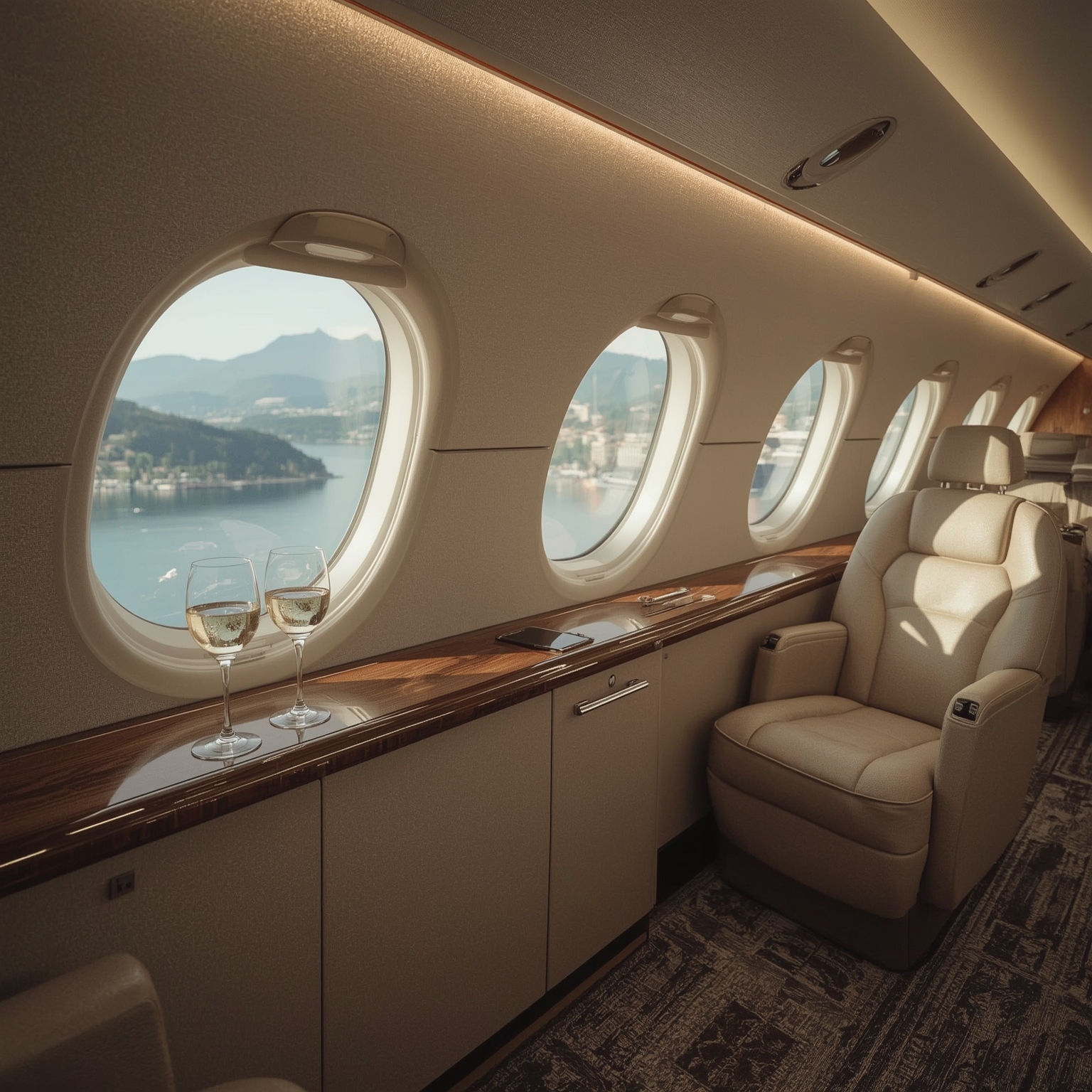
On a luminous Thursday afternoon in the middle of spring, several dozen affluent and impeccably dressed travelers arrived in dramatic fashion by helicopter at the Rosewood San Miguel de Allende, an opulent five-star retreat nestled in the cultural heart of central Mexico. The hotel, celebrated for its colonial elegance and tranquil courtyards, generally commands nightly rates that climb well into the four-figure range, underscoring its reputation as a sanctuary for the world’s most refined visitors. Over the ensuing weekend, this privileged gathering indulged in an itinerary carefully curated to blend adventure with indulgence: spirited horseback rides through the countryside, immersive tequila tastings that showcased the local heritage of agave craftsmanship, and, to crown the extravagance, a private fireworks display lighting up the final night — a spectacle staged exclusively for their enjoyment.
Remarkably, everything these guests experienced was offered on a complimentary basis — all except their transportation. The flights, provided for clients of Flexjet, cost anywhere between $7,000 and $23,000 per hour, depending on aircraft type and specifications. Flexjet operates under a fractional ownership model, essentially functioning as an ultra-luxurious variant of the timeshare concept, yet existing within the rarified sphere of private aviation. This particular excursion formed part of the prestigious Chairman’s Club event series, reserved for members whose annual spending on the company’s jet programs begins in the six-figure range. Comparable experiences have in the past whisked members away to exclusive havens such as Anguilla and the idyllic Lake Como, cementing Flexjet’s reputation for blending utility with indulgence.
Like Flexjet, other elite private jet operators have transcended the mere provision of flights, transforming travel into an orchestration of unparalleled sensory experiences. Their offerings now extend to intimate wine tastings at vineyards typically closed to the public, premium hotel suites at landmark events such as Formula 1 Grand Prix races or the Super Bowl, bespoke facial treatments conducted at forty thousand feet, and multi-course dining crafted by acclaimed chefs such as Nobu Matsuhisa. Collectively, these experiences exemplify a level of marketing that might best be described as among the most lavish and experiential on the planet.
According to data from wealth intelligence firm Altrata, the population of ultra-high-net-worth individuals — those possessing immense financial resources — has expanded dramatically, surging by more than seventy percent over the past five years to exceed 510,000 individuals globally. In the previous year alone, this elite cadre spent nearly thirty billion dollars on private jets and superyachts. Several converging factors have driven this expansion of the market: a post-pandemic clientele disenchanted with the inconveniences of commercial air travel, new membership-based models such as NetJets, Flexjet, and VistaJet that simplify access to private aviation, and a general cultural shift toward valuing exclusivity and efficiency. Data from Aviation Week further reveals that during the summer months, from June through August, usage of fractional jet programs rose seventy percent compared with the same period in 2019 — a reflection of the industry’s unprecedented momentum.
To attract and retain these discerning clients, jet operators are engaging in ever more aggressive displays of luxury, orchestrating benefits so extravagant they might seem unnecessary to those who already own nearly everything imaginable. The San Miguel de Allende retreat hosted by Flexjet this year serves as a vivid example of this ongoing arms race in opulence. As Matteo Atti, Chief Marketing Officer of VistaJet’s parent company Vista Global, explained in a conversation with Business Insider, the goal of these perks is deceptively simple: to give customers an experience they would never wish to part with. Once a traveler has become accustomed to watching the New York Yankees from the coveted vantage of a Legends Suite, or once their pampered dog has developed a taste for artisanal water infused with flower essences mid-flight — a signature amenity of the VistaPet program — it becomes nearly impossible to return to more ordinary forms of travel.
Within this fiercely competitive luxury sector, innovation is perpetual and imitation inevitable. As Doug Gollan, founder of Private Jet Card Comparison, vividly analogized, the rivalry among these companies resembles gladiators locked in unending combat, each constantly devising more astonishing enticements to secure loyalty from the rarefied clientele.
While the primary motivation behind private air travel remains convenience — the ability to move from point A to point B with maximum efficiency — the surrounding indulgences have always formed an integral part of the allure. A recent survey conducted by Private Jet Card Comparison, which gathered responses from over five hundred private jet users, indicated that roughly two-thirds cited time-saving as their chief incentive for flying private. Yet, as Gollan remarked, the “extras” have long represented the enjoyable essence of the experience. Two and a half decades ago, jet companies offered privileged access to high-profile concerts and sporting spectacles like the Super Bowl. Today, these privileges mirror the escalation seen in high-end credit card rewards, evolving into far grander and more bespoke manifestations of luxury.
Notably, the culture of indulgence extends beyond human passengers. VistaJet’s VistaPet initiative provides carefully prepared meals, handmade treats, and premium grooming products for travelers’ four-legged companions, ensuring even pets enjoy an experience consistent with the elevated expectations of their owners.
Behind the glamour and gourmet offerings, however, lies a pragmatic marketing strategy guided by two central objectives: acquisition and retention. Traditional advertising — whether a billboard on a city street or an algorithmically targeted ad on social media — rarely persuades an individual to invest hundreds of thousands or millions of dollars in a private aviation program. Instead, new clients most often enter the fold through intimate referrals: a friend invites another to share a VIP experience at Art Basel with NetJets, or to join an exclusive vineyard tour in Bordeaux with VistaJet. Such curated encounters build instant credibility through shared experience, epitomizing the adage “birds of a feather flock together.”
Retention, the second pillar, rests on fostering a sustained sense of belonging. As Flexjet co-CEO Michael Silvestro explained, membership feels akin to joining an elite club defined by a mutual understanding of sophistication, service, and expectation. Event-based experiences, he emphasized, have proven particularly effective in preserving loyalty, offering tangible demonstrations of care and exclusivity. Extravagant gestures, from guaranteed access to premier sporting events like the Masters to complimentary stays at top-tier resorts, serve not merely as indulgences but as psychological offsets — a “spoonful of sugar,” as Gollan observed — softening the irritation of inevitable operational challenges such as air traffic delays or mechanical interruptions.
At the same time, the demographics of the private aviation community have begun to shift perceptibly. Where once private jets were the preserve of those who had long since secured their fortunes, the clientele now increasingly includes individuals still in the process of building them. As Matteo Atti put it, private flying has evolved from a symbol of having made it to a tool of those actively making it. Over the past decade, the average age of private jet users has declined, reflecting the influence of younger entrepreneurs and innovators whose approach to wealth prizes experience and efficiency over mere possession.
This generational transformation aligns with broader trends documented by luxury industry analysts. A recent Bain report, for instance, identified luxury experiences as the fastest-growing segment of the high-end market, expanding by five percent last year even as spending on tangible luxury goods fell by two percent. The younger cohort’s guiding principle, as Silvestro succinctly expressed, is that they value the journey as much as, if not more than, the destination itself.
For these travelers, a celebratory gathering might commence long before arrival: a group of friends in their forties may meet directly on the airport tarmac, where a chauffeur ushers them to the aircraft, Champagne flows freely, and caviar is served as the engines hum to life. On the return flight, the same wellness-oriented generation might enjoy a menu designed by nutritionists — perhaps featuring beet carpaccio — while inhaling curated aromatherapy scents in ergonomically advanced seating designed for maximum comfort at altitude.
Still, amidst all the spectacle, there remains a subtle distinction between tasteful extravagance and needless excess. As Tony Theis, Vice President of Central Business Jets, observed, not every traveler equates opulence with satisfaction; some view travel purely as a pragmatic means of reaching their next destination. While private jet executives readily admit that these utilitarian flyers fall outside their primary target market, they also concede that no amount of curated dining or once-in-a-lifetime access can redeem a poorly chosen aviation program. As Doug Gollan succinctly concluded, when one is spending hundreds of thousands or even millions of dollars on membership, even the finest meal with a world-renowned chef cannot compensate for joining the wrong jet program.
In the rarefied landscape of private aviation, luxury has become both an art and a strategic necessity — a contest of creative opulence in which experience, exclusivity, and identity converge thirty thousand feet above the ground.
Sourse: https://www.businessinsider.com/inside-private-jet-perk-benefits-luxury-travel-f1-super-bowl-2025-10


