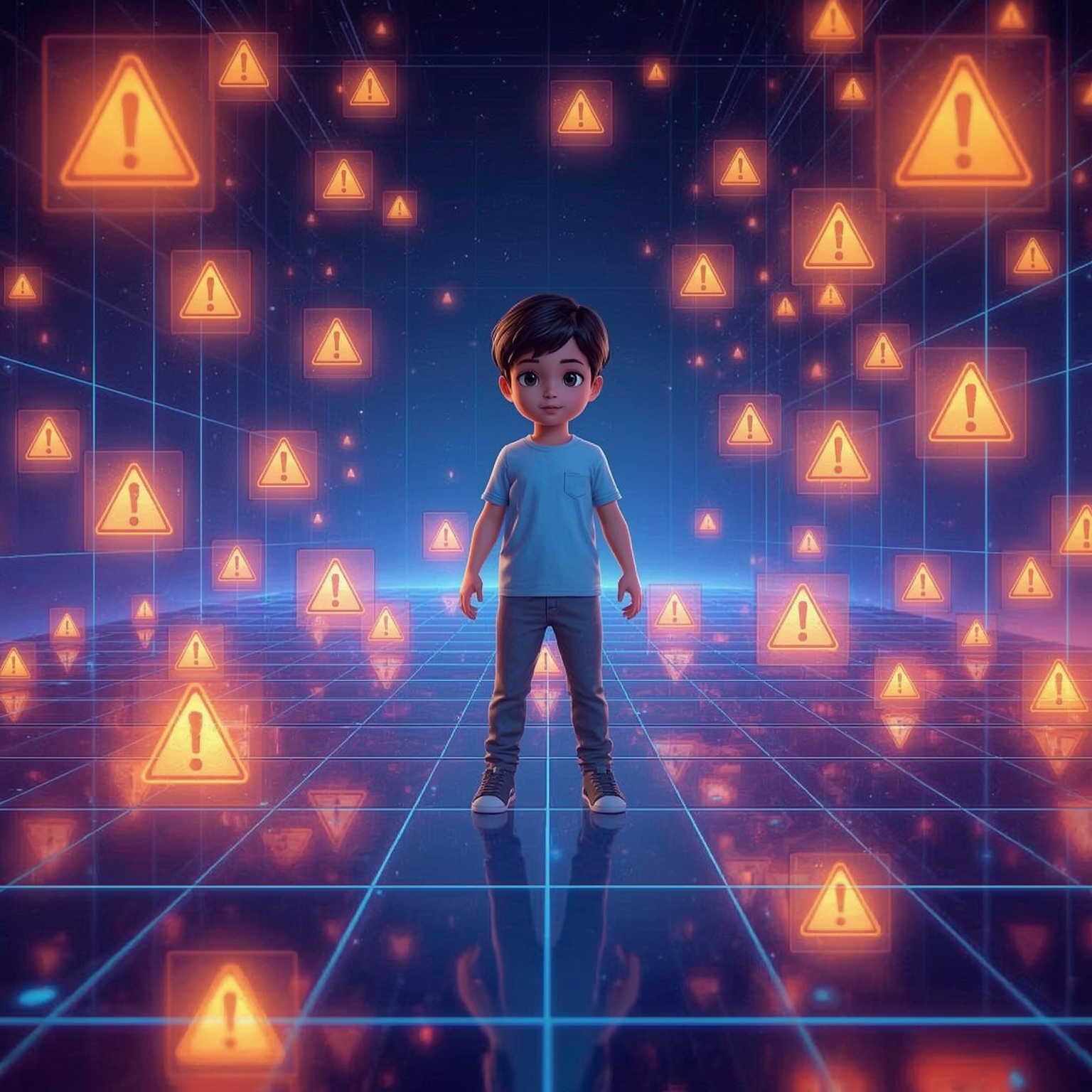
Texas Attorney General Ken Paxton has initiated a sweeping legal action against Roblox Corporation, the well-known online gaming and social platform, accusing it of prioritizing profits and the interests of what he has described as “pixel pedophiles” over the well-being and security of children in Texas. The lawsuit, formally filed this week, alleges that Roblox has not only neglected but openly disregarded state and federal laws meant to ensure digital safety for minors. It further claims the company has consistently misled parents by portraying its platform as safe and tightly monitored, while allegedly concealing the true scope of exposure that young users face to predatory behavior, manipulation, and illegal activity.
At its core, the legal complaint asserts that Roblox has engaged in deceptive trade practices by deliberately creating and promoting a false sense of safety. According to Texas officials, the company’s marketing materials and community guidelines project an image of a wholesome, family-friendly environment, yet in practice the platform has become, in their view, a fertile ground for predatory exploitation. The state contends that by allowing such dangers to persist, Roblox has effectively fostered a “public nuisance”—a recurring and systemic harm—through the maintenance of a virtual space that has allegedly become a frequent gathering point for child predators who engage in illegal grooming tactics and sexual exploitation.
Throughout the filing, prosecutors cite vivid and troubling examples of real-life harm linked to the platform. These include accounts of minors who, after meeting individuals through Roblox’s interactive games or chat functions, were subjected to abuse or blackmail. The suit references groups such as “764,” described as an organized network of online offenders who reportedly use gaming and messaging platforms to identify potential victims, coerce them into producing explicit material, or manipulate them into self-destructive behavior. To strengthen its argument, the Texas filing highlights that many of Roblox’s so-called enhanced parental control features were implemented only after repeated lawsuits and a widely publicized investigative report from the short-selling firm Hindenburg Research. That report, released the previous fall, characterized certain aspects of Roblox’s virtual ecosystem as an “X-rated environment” rife with explicit content, predatory grooming, and aggressive or abusive language—all phenomena that would directly endanger minors.
Texas is not alone in pursuing action against the gaming company. In August, the state of Louisiana filed its own lawsuit, asserting that Roblox had “permitted and perpetuated an online environment in which child predators thrive.” Just a few months later, Kentucky joined the growing list of plaintiffs with similar allegations, branding the platform as “a hunting ground for child predators.” Most recently, Florida Attorney General James Uthmeier issued a subpoena targeting Roblox’s operations, signaling yet another layer of scrutiny from state authorities. Beyond these official state actions, many families and individual players have also taken legal steps against Roblox, accusing the company of negligence and failure to protect users from predators. Some of these private suits, particularly those cited in the Texas complaint, document specific instances where parents allege that inadequate safeguards directly contributed to the victimization of their children.
Roblox, for its part, has publicly pushed back against the accusations. Eric Porterfield, the company’s Senior Director of Policy Communications, issued a statement to *The Verge* expressing disappointment in the Texas Attorney General’s approach. Porterfield argued that rather than engaging in a collaborative effort to confront what he called “an industry-wide challenge” inherent to digital and social platforms, the Attorney General opted for litigation grounded, according to Roblox, in misrepresentations and exaggerated claims. He further emphasized that Roblox has already introduced more than 145 distinct safety measures within the current year, ranging from improved content moderation systems to enhanced parental oversight tools and automated detection technologies designed to mitigate potential risks.
Supporting its claims of reform, Roblox reported in September that it boasted more than 111 million daily active users—a significant proportion of whom are minors. Earlier this year, the company announced its intention to roll out an advanced age-verification process that would utilize government-issued IDs and facial recognition technology. Complementing this initiative, Roblox introduced a machine-learning–based artificial intelligence system intended to identify early behavioral indicators that might suggest a threat to child safety. Together, these measures, the company asserts, demonstrate its ongoing commitment to building a secure online space while adapting to the dynamic and ever-evolving nature of internet-based communities.
This larger conflict mirrors similar developments occurring across the broader landscape of social media and digital communication platforms. Discord, for instance, also began implementing age-verification procedures during the same period and has been named in some of the same lawsuits cited in the Roblox case, including one particularly concerning incident involving a 13-year-old resident of Texas. Such parallel circumstances underscore the growing challenge facing major tech companies as they attempt to reconcile user autonomy, innovation, and commercial success with the imperative of ensuring the safety of minors. Yet these companies continue to benefit from the legal protections afforded by Section 230 of the Communications Decency Act, which historically has shielded platforms from liability stemming from users’ actions. Legal experts suggest that this protective framework poses a substantial obstacle for the Texas lawsuit and similar legal challenges, as plaintiffs must demonstrate direct corporate negligence or deception beyond user misconduct.
Ultimately, the Texas case against Roblox encapsulates a broader societal reckoning over how digital environments are governed, who bears responsibility for safeguarding children in virtual spaces, and whether existing laws and corporate practices are adequate to address an increasingly complex technological landscape.
Sourse: https://www.theverge.com/news/816549/texas-roblox-lawsuit-child-safety


