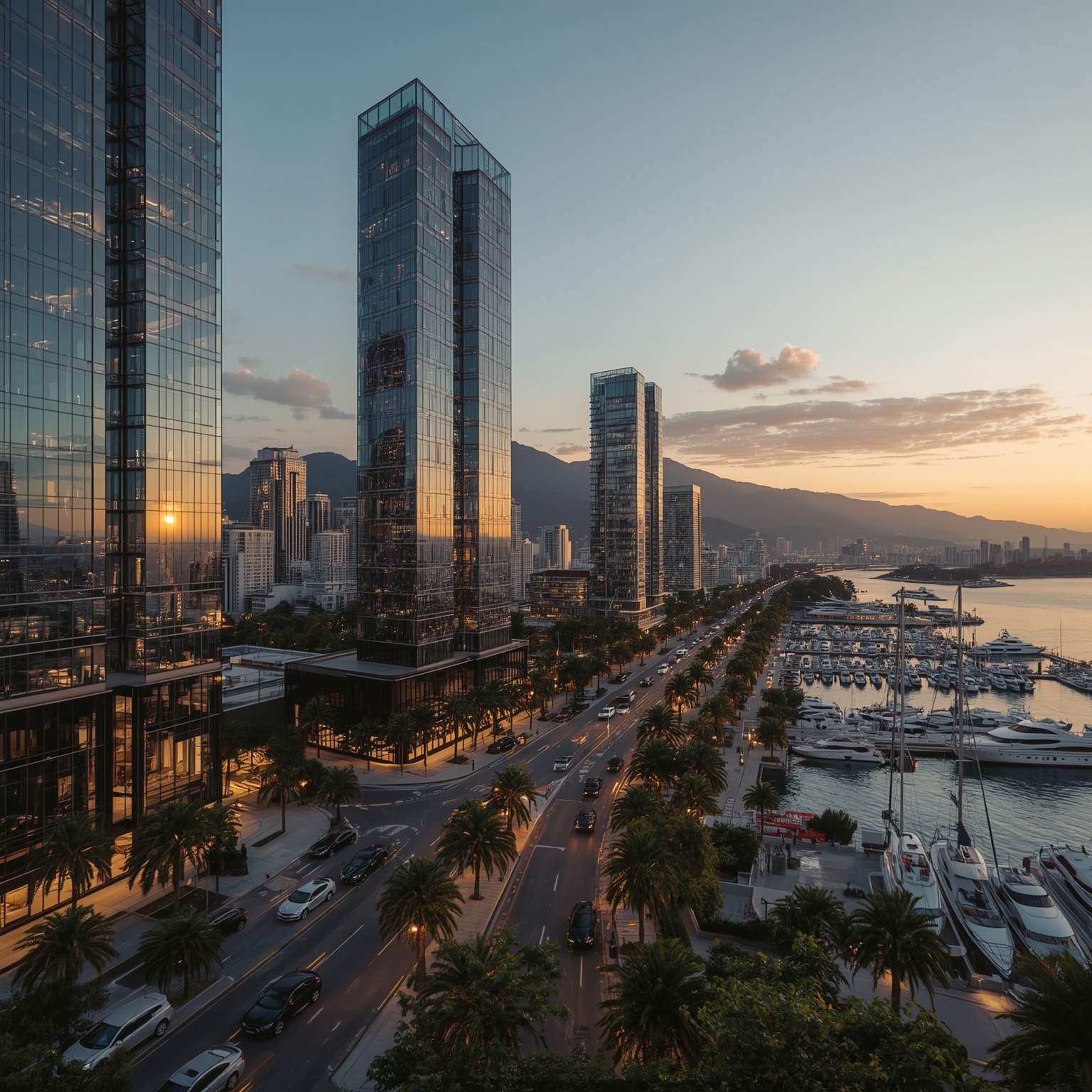
Vancouver, situated in the picturesque province of British Columbia, ranks among the most prosperous metropolitan centers in all of Canada. When I set foot in this city for the first time in May 2025, I was immediately struck by an unmistakable atmosphere of affluence — a sense that opulence was not hidden but boldly displayed in nearly every direction. Luxury cars shimmered under the coastal sun, yachts lined the waterfront like gleaming sculptures, and grand estates hugged the hillsides with the elegance and presence of modern palaces. The symbols of wealth were not subtle; they were proudly woven into the urban fabric of daily life.
From gleaming Ferraris cruising past five-star hotels to sprawling beachside mansions with architectural grandeur reminiscent of European estates, Vancouver seemed to embrace extravagance as part of its identity. According to Henley and Partners’ World’s Wealthiest Cities Report for 2025 — a comprehensive ranking derived from the number of high-net-worth individuals residing in global urban hubs — Vancouver holds the distinction of being Canada’s second-richest city, surpassed only by Toronto. The report detailed the city’s staggering concentration of financial power: an impressive 46,400 millionaires, 90 centimillionaires, and 11 billionaires call Vancouver home, transforming it into a magnet for elite lifestyles and investment.
My three-day stay unfolded as a vivid immersion in luxury. The city’s surface alone told a story of immense capital — streets lined with elegant vehicles, neighborhoods overflowing with refinement, and a skyline punctuated by hotels and residences designed to cater to the highest standards of indulgence. Even the air felt infused with prosperity. In Vancouver’s upscale neighborhoods, such as Kitsilano, I strolled past rows of dazzling automobiles: polished BMWs, Maseratis, and sleek Audis glided effortlessly by, the metallic reflections catching in the late-morning light. Across a single intersection in this same district stood both an Audi and a Ferrari dealership, positioned almost as opposing emblems of the city’s taste for luxury and performance.
Venturing into Gastown the following morning, I found myself surrounded by the artistic pulse of Vancouver’s fashion-forward culture. This neighborhood, celebrated for its designer boutiques and curated retail experiences, hosted iconic brands like Stüssy and Le Labo, which added an air of cosmopolitan sophistication to its historic cobblestone streets. My heart lifted momentarily when I spotted a John Fluevog boutique — one of my personal favorite shoe designers — though prudence prevailed, and I resisted the temptation to enter. Continuing onward, I discovered Alberni Street, located in the West End, where the grandeur of luxury retail reached extraordinary heights. Coveted global names such as Burberry, Louis Vuitton, and Gucci made their presence known in polished storefronts that exuded exclusivity and refinement.
The architectural grace and commercial wealth of Vancouver are complemented by its array of prestigious hotels, each catering to an international clientele accustomed to impeccable standards. The city boasts no fewer than seven properties recognized in the 2025 Forbes Travel Guide Star Awards, which evaluate the finest hotels across the globe. During my visit, I experienced three of these distinguished establishments firsthand. Among them, the five-star Fairmont Pacific Rim stood out as a clear favorite. Lauded in Condé Nast Traveler’s 2024 Readers’ Choice Awards as one of Western Canada’s premier hotels, it epitomized the intersection of comfort, elegance, and modern artistry.
I spent one memorable night at the Fairmont Pacific Rim, occupying a Gold Harbour Mountain View room that ordinarily costs $725 per night — though Business Insider received a media rate. The suite radiated refinement: bespoke furnishings accented by artful decor created an atmosphere both contemporary and serene. Yet it was the bathroom that truly captured my imagination — a sanctuary in black marble that felt closer to a private spa than a hotel amenity. I soaked leisurely in a deep tub, resting a glass of ice water and premium Le Labo toiletries on a caramel-colored resin tray, while gentle aromatic vapors from the room’s essential oil diffuser completed the tranquil scene. Later, I luxuriated in a glass-enclosed shower equipped with dual rainfall heads, finishing my routine before a brilliantly lit mirror while using a Dyson hair dryer that gave my hair the finish of a professional salon treatment. Even the toilet, isolated behind a discreet sliding door, reflected technological sophistication — the glowing blue bowl and heated bidet seat offered features to adjust temperature, pressure, and even provided massage and drying functions.
Stepping out onto my private balcony, I enjoyed a commanding view over Coal Harbour from the 21st floor. Below, the water shimmered with movement and wealth alike: yachts of every size, some sheltered under sleek canopies, others openly gleaming in the sunlight. Each vessel represented both craftsmanship and privilege, serving as silent proof of the city’s affluent maritime culture. Days later, while wandering through the distinguished Point Grey neighborhood, I encountered one of Vancouver’s institutions of exclusivity — the Royal Vancouver Yacht Club. With two prestigious home ports, including one in Coal Harbour, the club’s membership costs confirmed what my eyes had already perceived. Entry fees alone reached as high as $40,000 for individuals aged forty-one and above, with additional monthly dues maintaining the club’s elite status.
Nearby, a tranquil yet ostentatious enclave known as Billionaires’ Row unfolded along the coastline. Located on Belmont Avenue in the coveted West Point Grey neighborhood, this stretch of road boasts panoramic views of the ocean, mountains, and metropolitan skyline — a rare triad of natural and urban beauty seldom enjoyed simultaneously. According to the Coast Reporter, Belmont Avenue holds some of Vancouver’s most valuable real estate, a claim made evident by the eclectic assemblage of homes adorning its slopes. Each property seemed designed to make a statement: sleek, modernist structures crafted from glass, concrete, and steel stood beside stately residences that could have been plucked from the pages of a European architectural compendium.
The architectural diversity of Billionaires’ Row was captivating. The modern estates displayed minimalist angles and flat roofs, often crowned with glass-walled rooftop terraces overlooking the Pacific. In contrast, others embraced classical traditions, incorporating Victorian, Renaissance, or Revival features that conjured visions of English manors or French châteaux. This interplay of new-world innovation and old-world artistry lent the street an inimitable charm, distinguishing it from other affluent neighborhoods across North America.
Every residence on Belmont Avenue seemed built to protect privacy as much as to project prestige. High hedges, meticulously pruned, formed living walls around expansive front gardens. Iron gates guarded winding driveways that led to secluded entrances, while manicured landscaping rivaled that of European royal estates. Even in sunlight, these homes exuded an air of mystery and containment — a silent acknowledgment that wealth often seeks both visibility and seclusion.
Construction activity hinted that Vancouver’s already-elevated levels of prosperity were continuing to rise. Between the finished mansions, I observed the skeletal forms of new estates emerging from scaffolding along the coastline. These in-progress structures promised future grandeur, suggesting that the city’s opulent narrative is still unfolding. When I return to Vancouver, I plan to revisit Billionaires’ Row to witness how these architectural dreams have taken form — physical manifestations of the city’s enduring relationship with luxury, ambition, and aesthetic splendor.
Sourse: https://www.businessinsider.com/vancouver-canada-luxury-wealth-signs-real-estate-2025-11


