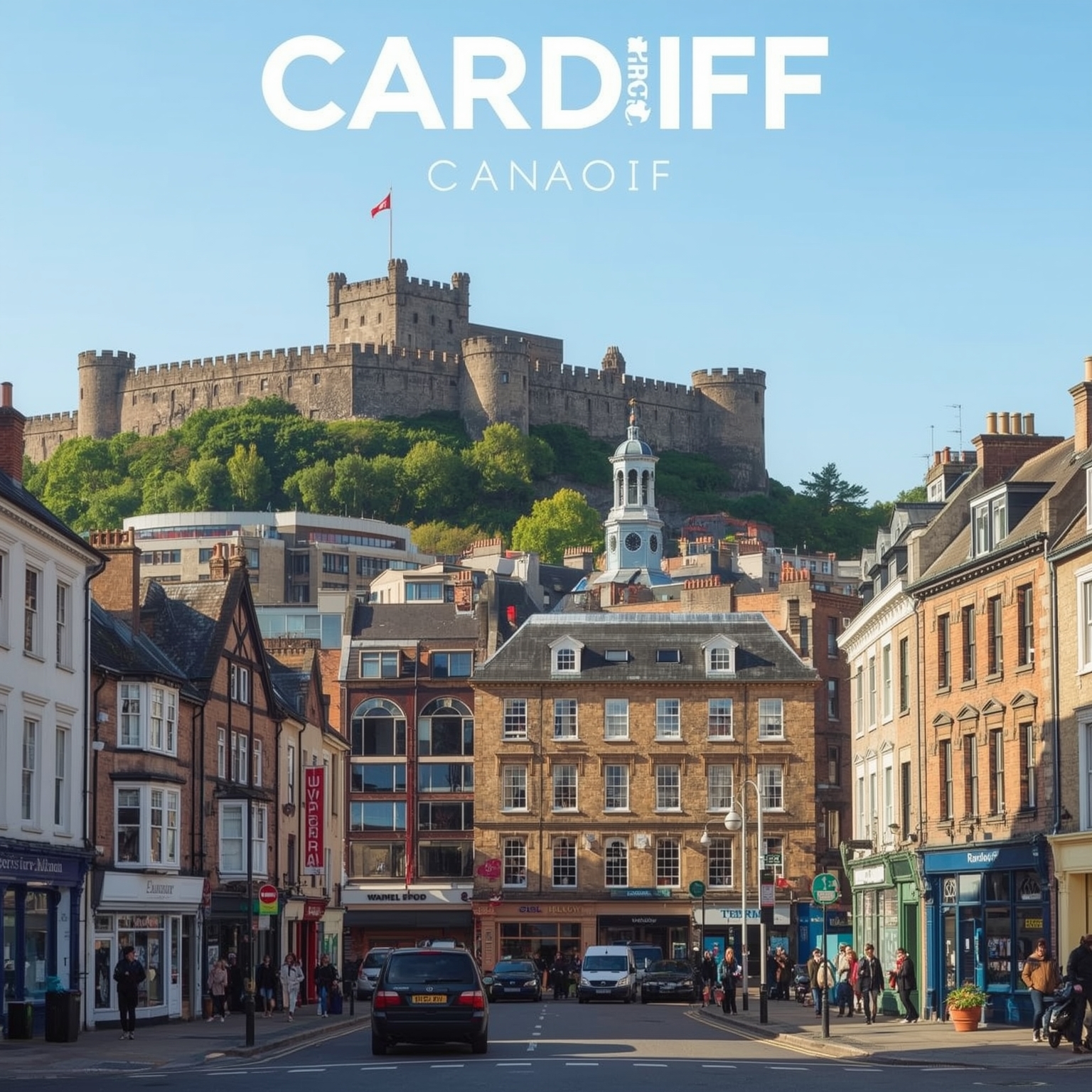
With a population hovering just below four hundred thousand residents, Cardiff achieves a harmonious equilibrium between liveliness and comfort. The city hums with an invigorating energy—its streets bustling with the rhythm of daily life, community events, and cultural happenings—yet it never feels overwhelmingly crowded. This balance gives Cardiff its unmistakable buzz while ensuring that even during the peak of the summer tourist season, when visitors from all over the world descend to experience its charm, the city remains pleasantly manageable rather than oppressive. The human scale of Cardiff fosters a sense of belonging: it’s large enough to feel cosmopolitan but still intimate enough for you to recognize familiar faces and navigate its compact heart with ease.
Covering an area of just under sixty square miles, Cardiff maintains a size that is perfectly suited to exploration on foot. The city’s geography makes it unusually accessible among European capitals—most of its prominent highlights, from the historical center with its distinctive mix of medieval and Victorian architecture to the redeveloped waterfront of Cardiff Bay, lie within comfortable walking distance. Over the course of a leisurely weekend, a visitor can stroll from the shopping arcades and open-air markets downtown to the gleaming waterside promenades lined with restaurants and cultural venues. This manageable scale encourages spontaneous discovery, allowing travelers to blend sightseeing, relaxation, and exploration without the stress of long commutes or complicated logistics.
For those with additional time and curiosity, venturing beyond the center rewards curiosity with a richer understanding of Cardiff’s personality. The neighboring districts of Roath, Pontcanna, and Canton each offer a unique slice of urban life, revealing the creativity and community spirit that define the city. Roath, with its leafy park and art-filled cafés, blends youthful vigor with bohemian flair. Pontcanna exudes an elegant yet relaxed atmosphere, filled with independently owned boutiques, craft coffee shops, and restaurants that champion local produce. Canton, traditionally a working-class area, has evolved into one of the city’s most culturally diverse and artistically vibrant quarters, home to small galleries and a renowned arts center that showcases everything from contemporary exhibitions to live performances. Collectively, these neighborhoods showcase Cardiff’s independent soul—the sense that local enterprise and creativity thrive on every corner.
Getting around Cardiff is refreshingly straightforward. Unlike many major cities, where intricate underground subway systems can bewilder first-time visitors, Cardiff’s compact nature renders such complexity unnecessary. The absence of a metro network is not a disadvantage but rather an indication of the city’s accessibility and human scale. Instead, travel within the city is facilitated by a combination of efficient alternatives: a practical network of buses connects the suburbs and central districts, convenient city-center train stations link key destinations, and an appealing water taxi service glides between the city hub and the picturesque Cardiff Bay. These transportation options make exploring effortless, whether one prefers the convenience of public transit, the scenic route by water, or simply a leisurely walk through the capital’s welcoming streets.
Sourse: https://www.businessinsider.com/why-best-place-in-uk-to-visit-cardiff-recommendations-local-2025-11


