Elon Musk appears increasingly perplexed by what he views as a baffling reluctance among traditional automakers to embrace Tesla’s advanced autonomous driving technology. The outspoken CEO of Tesla expressed his confusion earlier this week, noting that competing manufacturers seem uninterested in paying to license Tesla’s Full Self-Driving (FSD) system—a software package that Musk has frequently described as vital for the long-term survival of any car company operating in the forthcoming era of automation. According to Musk, he has repeatedly cautioned his competitors that ignoring Tesla’s technology could jeopardize their futures, yet his warnings have gone largely unheeded. In a characteristic burst of candor on X, the social platform he owns, Musk lamented that despite his openness to collaboration and his very public offer to license the FSD software, other automakers have declined to pursue such an arrangement. He described their refusal as irrational, even calling it ‘crazy,’ underscoring his disbelief that an industry so centered on innovation might reject what he perceives as a leap forward in technological evolution.
Expanding on his frustration, Musk explained that when legacy automakers do sporadically express curiosity, their proposals tend to be overly cautious, convoluted, and ultimately futile. They sometimes suggest that Tesla’s software be integrated into limited pilot projects slated to begin years into the future, often coupled with conditions or technical demands that make cooperation practically impossible. Musk dismissed these overtures as nonserious and emblematic of outdated corporate mindsets still hesitant to commit to transformative change. When he appended two dinosaur emojis to his online message, it was a symbolic jab, implying that companies resisting rapid innovation risk extinction in an industry moving swiftly toward autonomy.
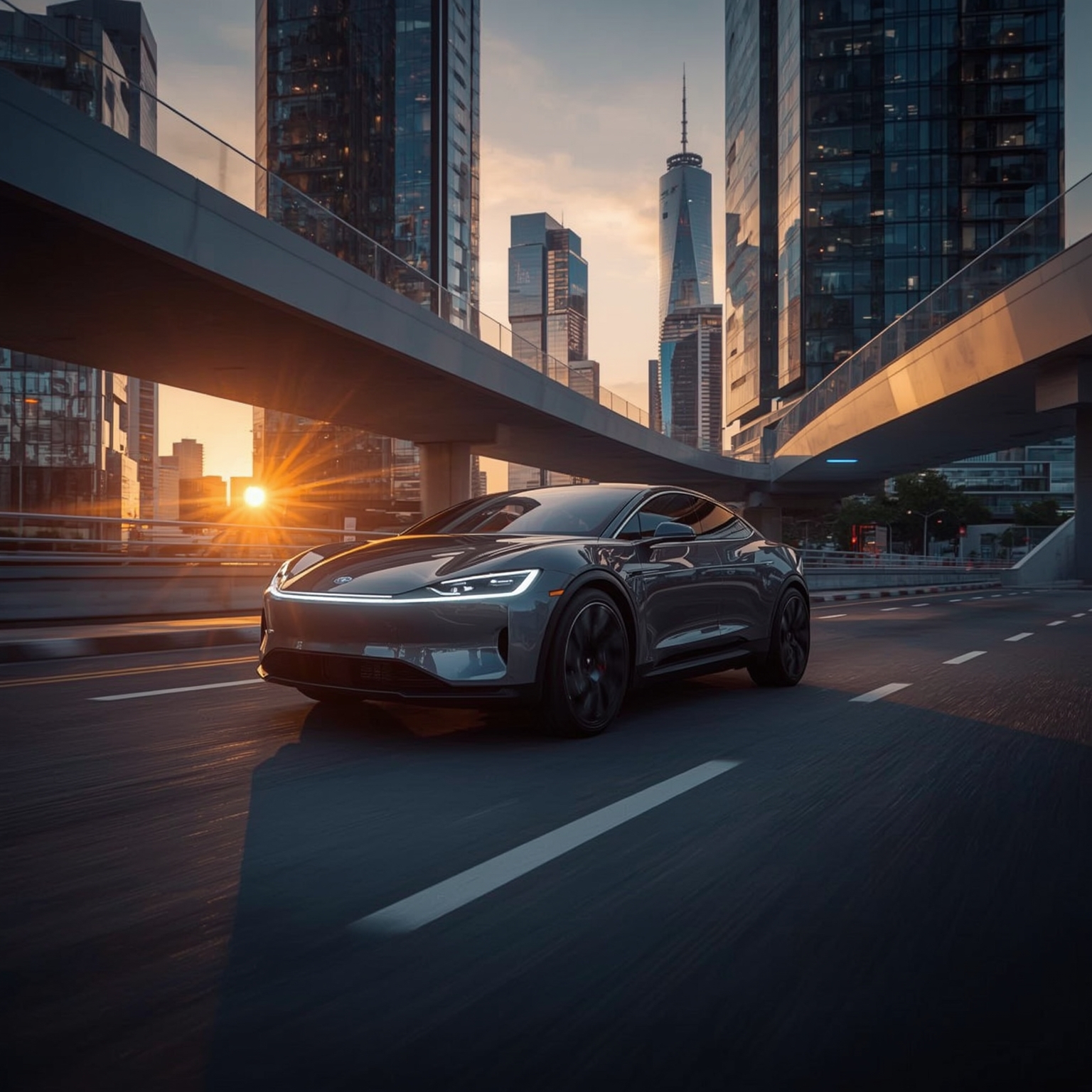
Tesla’s Full Self-Driving technology represents one of the most ambitious endeavors in the automotive world. It enables Tesla vehicles to execute a wide variety of driving maneuvers on their own—such as navigating traffic, changing lanes, or interpreting road signs—while still requiring human monitoring and intervention when necessary. Musk and Tesla’s leadership have long regarded the potential licensing of FSD to outside automakers as a promising way to monetize the company’s substantial investment in neural networks, sensor development, and software refinement. Earlier in 2024, Musk stated that Tesla had entered discussions with a major carmaker over such an arrangement and that interest across the industry was building. In January, during an earnings call, he predicted that once the competitive advantage of FSD becomes undeniable, manufacturers who lack it will face existential peril. He asserted that demand for Tesla’s system would inevitably surge once others recognize that not possessing advanced autonomous capability is equivalent to being left behind in a dying market segment. Nevertheless, his newest remarks indicate that widespread adoption by other automakers remains distant, and that tangible licensing deals are unlikely to materialize in the near future.
Yet even as Tesla pursues its expansive self-driving vision, the company’s technology has encountered numerous hurdles and controversies. FSD and its earlier counterpart, Autopilot, have both attracted extensive scrutiny from regulators and safety advocates alike. Recently, the U.S. National Highway Traffic Safety Administration opened a new investigation following multiple reports of Tesla vehicles allegedly disobeying traffic signals or traveling in the wrong direction while under automated control. That inquiry arrived on the heels of a broader examination launched the previous year, covering approximately 2.4 million Teslas equipped with versions of the FSD suite. In addition to regulatory probes, Tesla has faced extensive legal challenges. Several lawsuits have accused the company of overstating the safety or functionality of its autonomous systems, and in one notable case last August, a jury found Tesla partially liable for a fatal crash that occurred while Autopilot was engaged, ordering the firm to pay $242 million in damages—a verdict Tesla intends to appeal. Despite these setbacks, Musk has maintained that the company remains fully committed to realizing a future defined by autonomy.
Tesla continues to push forward with a pace that mirrors Musk’s characteristic audacity. The company is racing to fulfill his goal of rolling out its robotaxi network—fully autonomous ride-hailing vehicles—across eight to ten major metropolitan areas by year’s end. This expansion effort has already cleared significant regulatory milestones in states such as Nevada and Arizona, signaling steady progress toward commercialization. However, even as Tesla surges ahead technically and bureaucratically, the timeline for turning its investments into sustained financial returns remains uncertain. Recent earnings reports revealed that roughly twelve percent of Tesla drivers currently pay for the premium FSD package, but revenue from the feature has declined compared with the same quarter a year earlier. The drop suggests that consumer adoption may be progressing more cautiously than the company anticipated.
Meanwhile, Tesla’s competitors are not standing still, even if they are charting different paths toward autonomy. Some rival manufacturers have entered strategic partnerships with specialized technology firms to develop or deploy competing self-driving systems. In April, Toyota announced a collaboration with Waymo—the autonomous driving subsidiary of Alphabet—to incorporate self-driving technology into privately owned vehicles, signaling a distinct yet complementary market approach. Similarly, Lucid Motors has formed alliances with Uber and Nuro, two prominent players in the mobility and robotics spaces, to launch an autonomous ride-hailing service in San Francisco slated for next year. These moves illustrate that while Tesla remains the most visible advocate for a vertically integrated self-driving ecosystem, others are pursuing cooperative models that blend shared expertise and incremental deployment.
Ultimately, Musk’s comments reflect not only his frustration with industry inertia but also his confidence in Tesla’s technological trajectory. He believes that those who fail to adapt will suffer the consequences of obsolescence, much as dinosaurs vanished when conditions changed. For now, the tension between innovation and hesitation defines the evolving landscape of autonomous transportation—a field where visionaries like Musk are pushing ahead, even as others cautiously watch from the sidelines, uncertain of when or how to join the race that could redefine the future of mobility.
Sourse: https://www.businessinsider.com/elon-musk-tesla-automaker-rivals-full-self-driving-tech-license-2025-11