Tesla may have been a little too quick to celebrate its progress on the global rollout of its self‑driving technology. The company appeared to move into party mode prematurely, metaphorically hanging balloons and streamers, before ensuring that its much‑anticipated Full Self‑Driving (FSD) software—advertised as supervised autonomy—had actually cleared all necessary international regulatory hurdles. Deploying such a complex system beyond its home borders has proven far more intricate than expected, particularly given the multitude of legal, safety, and procedural frameworks that vary among nations.
Since 2022, Tesla’s North American customers have enjoyed access to the company’s advanced driver‑assistance suite. However, its expansion into other regions has been noticeably uneven. In China, which represents Tesla’s second‑largest market after the United States, the automaker has thus far introduced only partial FSD functionality, limiting drivers’ experiences to selected features while awaiting a full launch. In Europe, hopes had recently risen for a breakthrough: Tesla’s own communications suggested that European Union customers were on the verge of receiving good news. Yet those expectations deflated quickly after a Dutch regulator stepped in and effectively paused the celebration.
On a recent Saturday, Tesla announced through a post on X (formerly Twitter) that it had been diligently preparing for more than a year to bring FSD to Europe. The company emphasized that the key—or, as it phrased it, the “main path to success”—would involve close collaboration with the Netherlands Vehicle Authority, known as RDW, the national body responsible for type approval of vehicles in the EU market. Tesla’s message confidently stated that RDW had committed to granting national approval for the Netherlands by February 2026, a milestone the company presented as a major step toward continent‑wide acceptance.
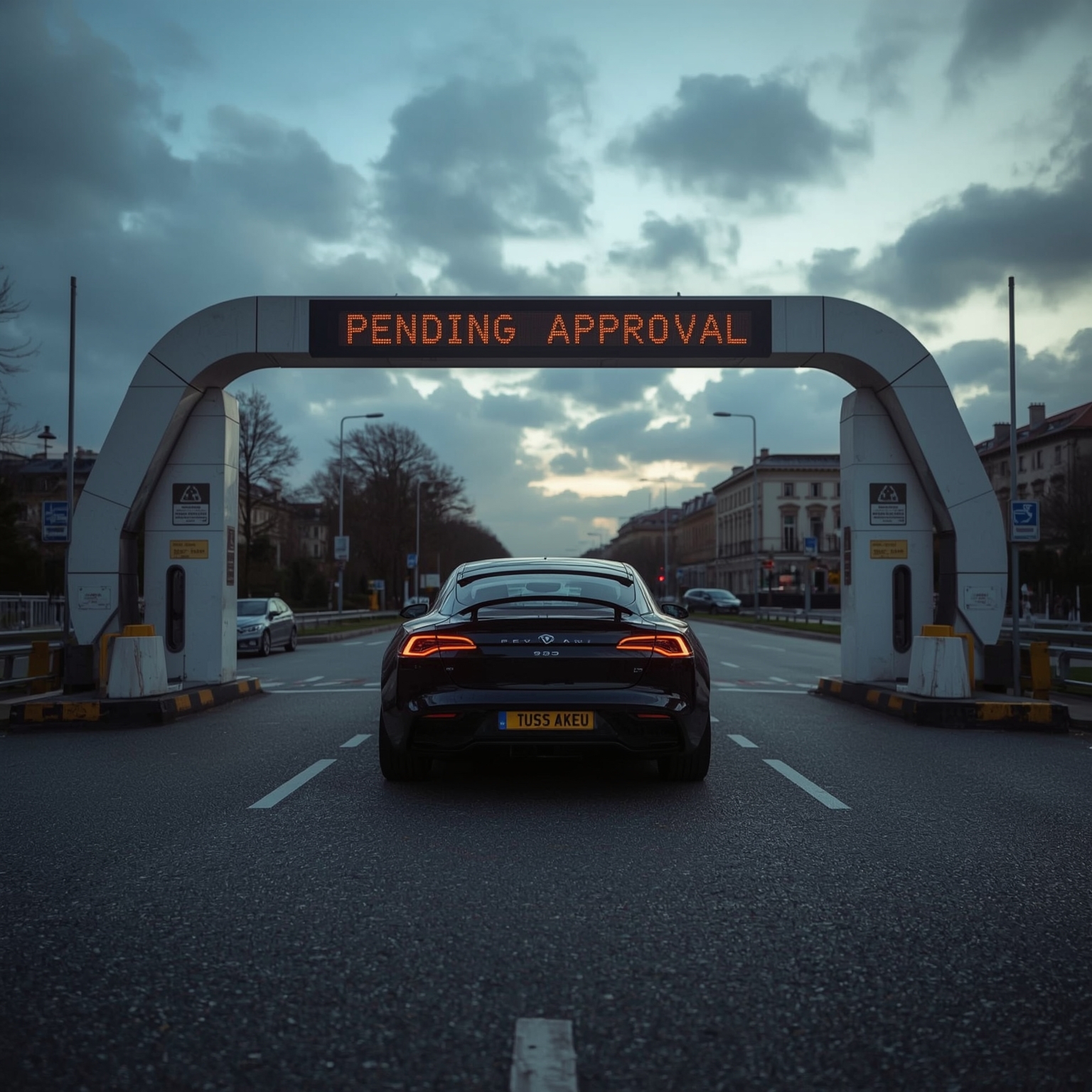
Just two days later, however, that optimism encountered a sobering counterstatement. Through a blog post originally written in Dutch, RDW responded directly to Tesla’s announcement, clarifying that the 2026 timeline was merely a provisional schedule rather than a formal approval. The agency explained that Tesla had indeed been given a timetable to meet specific regulatory benchmarks by that date, but the completion of the process—and the actual decision on approval—remained uncertain. Bloomberg was the first outlet to report on the regulatory agency’s carefully worded rebuttal.
Translated by Google, RDW’s statement stressed that both the Dutch authority and Tesla fully understand the extensive efforts required before any determination can be made in February 2026. However, the authority cautioned that the schedule might evolve, underscoring that whether or not it would ultimately be met would “remain to be seen” as the process unfolds in the coming months and years. In other words, RDW did not want Tesla—or the public—to interpret the provisional timeline as a guaranteed green light.
Inside Tesla, this regulatory friction has reportedly begun to wear on employees working to facilitate FSD’s expansion into Europe. The RDW serves as the chief bottleneck, the single chokepoint through which European approval must pass, and its rigorous procedures have tested the automaker’s patience. Internal correspondence obtained by Business Insider last November reveals that one Tesla employee emphasized the strategic urgency of the issue, describing the approval effort as “mission critical for our leadership.” Elon Musk himself has frequently voiced frustration with what he sees as the European Union’s slow and multilayered bureaucratic processes, even characterizing the region’s self‑driving regulations as a “layer cake of bureaucracy.”
This regulatory lag comes at a time when Tesla’s competitive position in the European electric vehicle market has been under notable pressure. China’s automakers, including fast‑rising giants such as BYD, are aggressively pursuing market share across the continent. According to the European Automobile Manufacturers’ Association, Tesla’s European sales in October were estimated to have dropped nearly 48.5 percent year over year, highlighting that the company’s foothold in the region may be slipping amidst intensifying rivalry.
Perhaps in an attempt to boost momentum and rally public support, Tesla’s post on X urged its fan base to become directly involved. It encouraged followers to reach out to the RDW and express appreciation for the agency’s role in moving the approval process forward, effectively inviting consumers to help generate positive pressure. The Dutch authority, however, was not pleased by this suggestion. In its translated response, RDW politely but firmly asked people “not to contact us about this,” explaining that such outreach only consumes valuable customer service time and carries no practical influence over the approval timetable. In short, public enthusiasm could not—and would not—accelerate the regulatory process.
Ultimately, Tesla’s premature celebration illustrates the challenging intersection between ambitious technological innovation and government oversight. Even as the company pushes to expand its pioneering FSD capabilities across global markets, it continues to encounter the meticulous pace and procedural caution of national regulators who prioritize safety, compliance, and accountability. The episode serves as a reminder that in the race toward automotive autonomy, technological readiness alone is never enough; the journey to regulatory acceptance may yet prove the steeper climb.
Sourse: https://www.businessinsider.com/tesla-fsd-approval-europe-not-confirmed-2025-11