When a friend unexpectedly extended an invitation by offering me two additional tickets to the completely sold-out Oasis concert, I felt an immediate surge of excitement and gratitude. This was not an opportunity one could easily turn down—Oasis had always represented the soundtrack of my youth, and the thought of witnessing them live once again was thrilling. Yet, almost as quickly as I accepted the offer, a practical dilemma emerged: which of my twin sons should I bring along to share this once-in-a-lifetime experience? In the spirit of fairness, I decided on a democratic solution. I sent both boys the exact same message—brief, direct, and equal in opportunity—asking, “Who wants to see Oasis with me? I can only take one of you.”
Charlie, whose love for the band bordered on devotion, replied within moments, his enthusiasm evident even through text. For him, Oasis wasn’t merely a band; they were the soundtrack to his adolescence, just as they had once been to mine. From that day forward, we had twelve months to anticipate the show, and Charlie transformed our home into his personal concert hall. He played their music relentlessly—over breakfast, while doing homework, and with special gusto during his nightly showers, where his voice echoed energetically through the walls. What I had initially expected to be a special but ordinary outing gradually evolved into something that promised emotional resonance far beyond its price tag.
Fast forward twelve months, and the long-awaited evening finally arrived. The excitement was palpable as we prepared to leave for the venue. Because we had general admission tickets, I knew that arriving early would be crucial if we wanted a prime spot near the stage. By 5:30 p.m.—hours before the scheduled 8:45 start—we joined the throngs of fans already buzzing with anticipation. I had purchased matching Oasis jerseys for the two of us the day before, and as we slipped them on, it struck me how symbolic that simple gesture felt: father and son, united not just by blood but by shared passion. When I noticed others in line who had been waiting since six that morning, I worried we might be relegated to the farthest rows. To my astonishment and delight, we managed to secure a position a mere four rows from the front, so close that the stage lights already brushed against our faces.
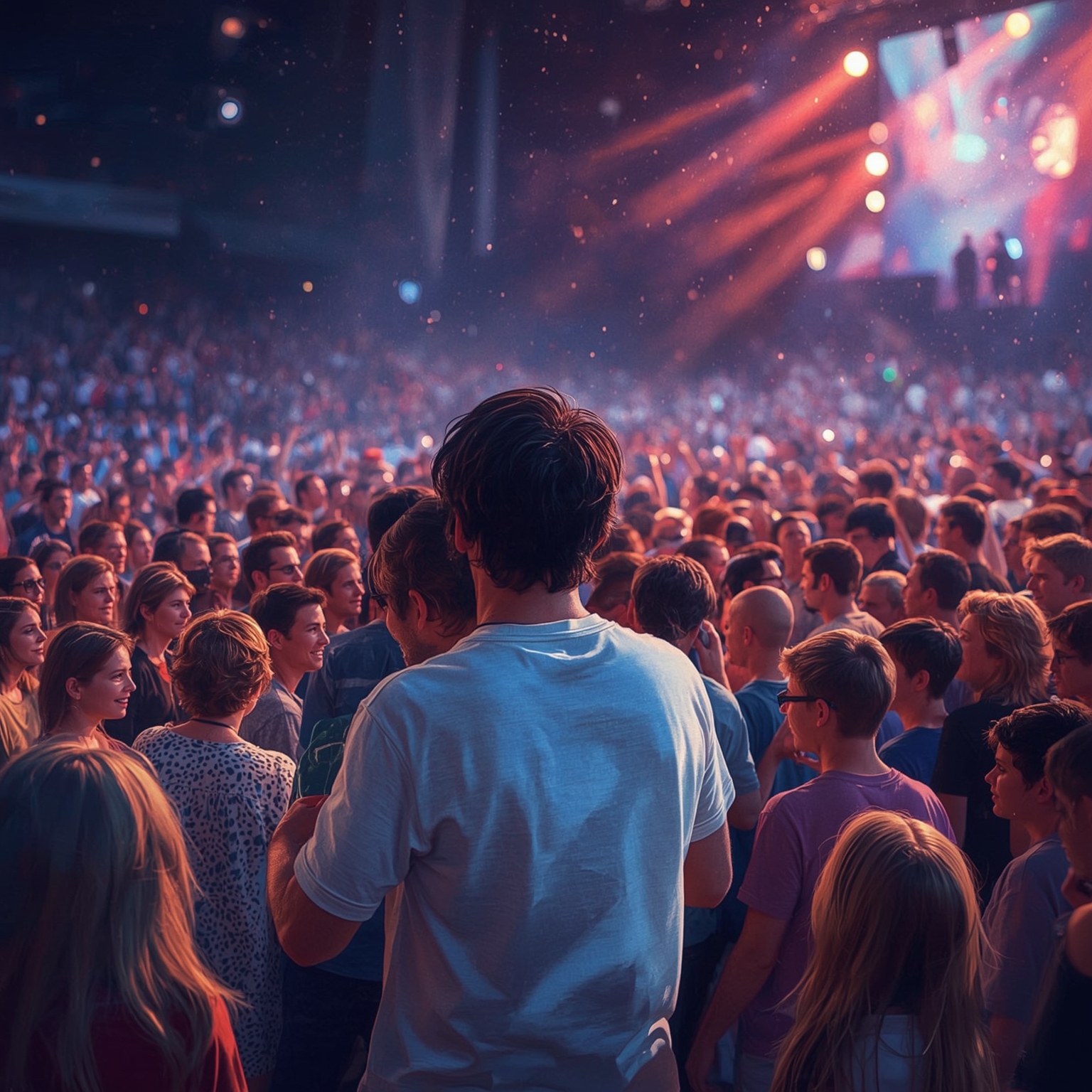
In a moment of both trust and parental risk-taking, I handed Charlie my credit card and sent him off to fetch food and drinks. He returned triumphantly, balancing burgers and beers, the latter of which surprised me; drinking together had never been part of our usual father-son routine. When he suggested another round, I smiled at his newfound sense of camaraderie. As we stood beneath the vast open roof of the stadium, the crowd swelling into tens of thousands, we shared beers, stories, and an unspoken sense of connection that neither of us had anticipated. All around us, the upper tiers filled with flickering lights, a cascading sea of humanity united in expectation. Time passed effortlessly as we talked about the songs we hoped to hear most and debated whether his friends—those who opted for seats instead of standing tickets—had made the right choice. For once, Charlie wasn’t distracted by his phone; his focus remained entirely on the moment. Though we stood for more than three hours, our conversation and laughter erased any trace of fatigue.
When the lights finally dimmed and a deafening roar of sixty thousand voices erupted, the world seemed to tilt toward magic. As Oasis appeared onstage, the crowd’s energy became almost tangible. I glanced at Charlie just as his face lit up with sheer wonder—eyes widened, mouth curved into a grin of disbelief mixed with joy. The opening chords rolled through the speakers, and instinctively we joined the collective wave of sound, singing, clapping, and swaying. For the next two hours, we were swept into an atmosphere of pure exhilaration. Every lyric that left his mouth bore the weight of those twelve months of anticipation—and years of affection for a band that had somehow connected two generations of our family.
The performance that remained etched in my memory came during a lesser-known ballad—a song cherished mainly by devoted fans. When it began, I noticed Charlie quietly take out his phone and record the moment. This small gesture—so unlike his usual indifference toward photos, even on family vacations to places as iconic as Disney or New York—spoke volumes. He wanted to hold on to it, to capture proof of a moment that meant something to him.
During the concert’s grand finale, as the band launched into their final number, we instinctively put our arms around each other’s shoulders and sang at the top of our lungs. My voice cracked with emotion, and his enthusiasm outshone any imperfection in tune. It was no longer just a concert; it was a shared rite of passage.
By the time the house lights came up, we had been standing and dancing for nearly six hours. My legs throbbed, but my heart was light. On our way to the train station, Charlie, still flushed with happiness, uploaded the short video he had filmed to Instagram—a rare event, considering he usually posts no more than twice a year. Watching him hit “share,” I realized something profound about the evening’s significance. Twin brothers often blur into a single identity in the eyes of others—same age, same interests, same routines. True one-on-one time is scarce, even in loving families. Yet that night was different. From the moment we donned our matching jerseys to the moment we left the stadium with our voices hoarse and our arms still linked, it had been solely about the two of us: father and son, together in harmony.
There was something poetic, almost circular, about it all—Oasis had been the soundtrack to my university years, shaping who I was then, and now they formed the background to a pivotal memory with my son. Every time I hear one of their songs today, I am instantly transported back to that night, standing in the glowing light of the stage, the echo of thousands around us, and the unmistakable realization that certain memories transcend money, age, and time. That $1,000, once viewed as a substantial splurge, now feels like the most meaningful investment I made all year—a purchase not of tickets, but of connection, continuity, and love.
Sourse: https://www.businessinsider.com/paid-thousand-dollars-see-oasis-with-my-son-2025-11