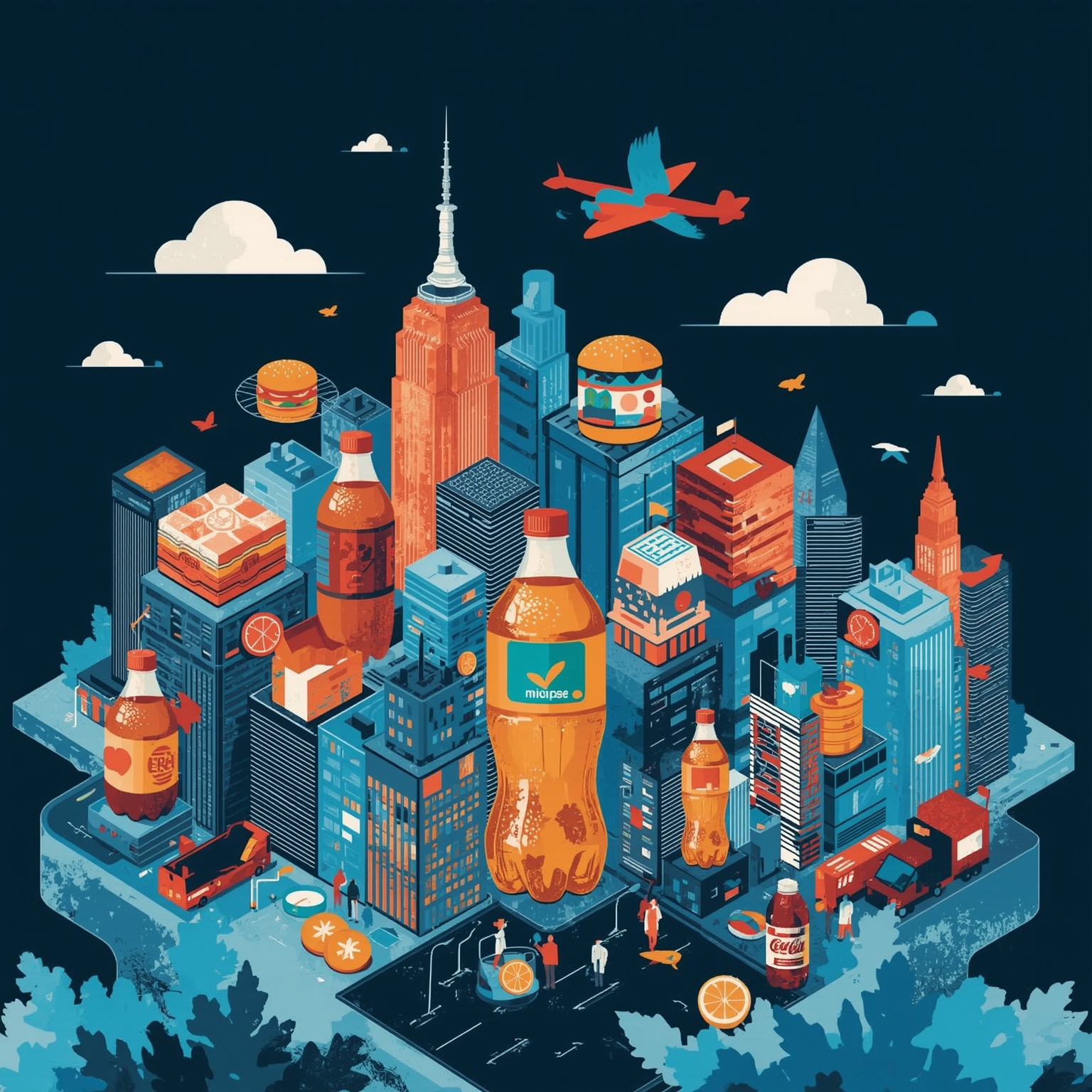
The city of San Francisco has launched an ambitious and far-reaching legal campaign against several of the world’s most prominent food corporations, accusing them of being central contributors to a growing public health emergency. Specifically, the city contends that these companies have aggressively produced, promoted, and profited from so-called “ultra-processed foods”—industrial products that undergo extensive modification through additives, artificial flavorings, and chemical enhancements—resulting in widespread harm to the health of San Francisco residents.
The legal action, consisting of a 64-page formal complaint submitted on December 2 by City Attorney David Chiu, alleges that some of America’s largest and most recognizable food manufacturers have placed profit far above public welfare. According to the filing, these corporations knowingly sold large quantities of products categorized as dangerously ultra-processed to the local population. The lawsuit identifies no fewer than eleven defendants: The Kraft Heinz Company, Mondelez International, Post Holdings, The Coca-Cola Company, Pepsico Inc., General Mills, Nestlé, Kellanova, WK Kellogg Co., Mars Inc., and Conagra Brands. Together, these multinational enterprises occupy a dominant position in the global food marketplace, shaping the daily consumption patterns of millions through widely distributed brands.
The allegations go beyond simple overproduction. The complaint asserts that these companies have deliberately designed their products to exploit human psychology and biology by stimulating cravings that lead people to consume more than they otherwise would. This engineering of desire, the city argues, transforms eating into a compulsive behavior pattern that undermines public health on a massive scale. Moreover, the suit charges that the firms failed to include necessary health warnings, engaged in deceptive and misleading marketing practices by portraying harmful items as nutritionally beneficial, and targeted some of their most intensive advertising campaigns toward children—a demographic particularly vulnerable to marketing influence.
The products highlighted in the case include a wide variety of household staples and treats: breakfast cereals laced with excessive sugar, colorful candies and confectioneries, carbonated soft drinks filled with artificial sweeteners and syrups, and prepackaged ready-to-eat meals designed for convenience at the expense of nutritional integrity. Within the lawsuit’s narrative, the city delivers a scathing accusation: these corporations fabricated and marketed food products in ways that were knowingly addictive. They were allegedly aware that the ingredients and formulations they created could lead to serious health consequences, yet they concealed these truths from the public. The economic burden of treating diet-related illnesses, the lawsuit emphasizes, ultimately falls upon taxpayers and public health systems already stretched to their limits.
In elaborating on the consequences of consistent ultra-processed food consumption, the complaint draws direct connections between these products and the rise of chronic, debilitating diseases such as obesity, type 2 diabetes, cardiovascular disease, and related conditions. These disorders not only reduce quality of life but also drain public resources and deepen social inequities in health outcomes. Consequently, Attorney Chiu has demanded that the companies cease all future deceptive marketing practices, fully disclose the health risks associated with their goods, and pay substantial civil penalties that would compensate the city of San Francisco for the damage inflicted upon its residents.
When approached by Business Insider for comment, representatives from the eleven companies named in the lawsuit chose not to provide any public response or statement, leaving the allegations unanswered at this time. The silence of these corporations contrasts sharply with the highly visible and public nature of San Francisco’s legal offensive, amplifying the case’s significance within national discussions of corporate ethics and food regulation.
This lawsuit also emerges against a broader national backdrop: the United States has intensified scrutiny of processed and chemically enhanced foods under a growing health policy movement led by Health Secretary Robert F. Kennedy Jr., whose “Make America Healthy Again” initiative advocates for systemic dietary reform. Earlier in April, Kennedy announced a plan to prohibit eight petroleum-derived food dyes in the United States by 2027, citing concerns over their potential health effects. Later, in July, President Donald Trump affirmed that Coca-Cola had committed to reformulating its beverages for the U.S. market by adopting real cane sugar in place of the high-fructose corn syrup currently used—a symbolic step in reducing reliance on industrial sweeteners.
Taken together, San Francisco’s lawsuit and the contemporaneous federal policy shifts mark a possible turning point in the evolving relationship among government, industry, and consumers. By challenging longstanding corporate practices and placing public well-being at the forefront of legal and political agendas, these developments could fundamentally reshape how Americans perceive and regulate the foods that populate their grocery shelves and dinner tables.
Sourse: https://www.businessinsider.com/san-francisco-lawsuit-ultraprocessed-food-brands-2025-12