For countless generations, families around the world have delighted in transforming their homes into festive sanctuaries during the holiday season. This long-standing tradition, which merges creativity, craftsmanship, and sentimentality, has evolved continuously through the decades. Early decorative customs such as glimmering strands of tinsel persisted for many years, even as the substrates and methods used to produce them evolved from one era to the next. Over time, innovations like brilliantly colored electric bulbs and the mass manufacture of trees dusted with artificial snow brought modernity, efficiency, and dazzling new aesthetics to what was once a purely handcrafted and candlelit celebration.
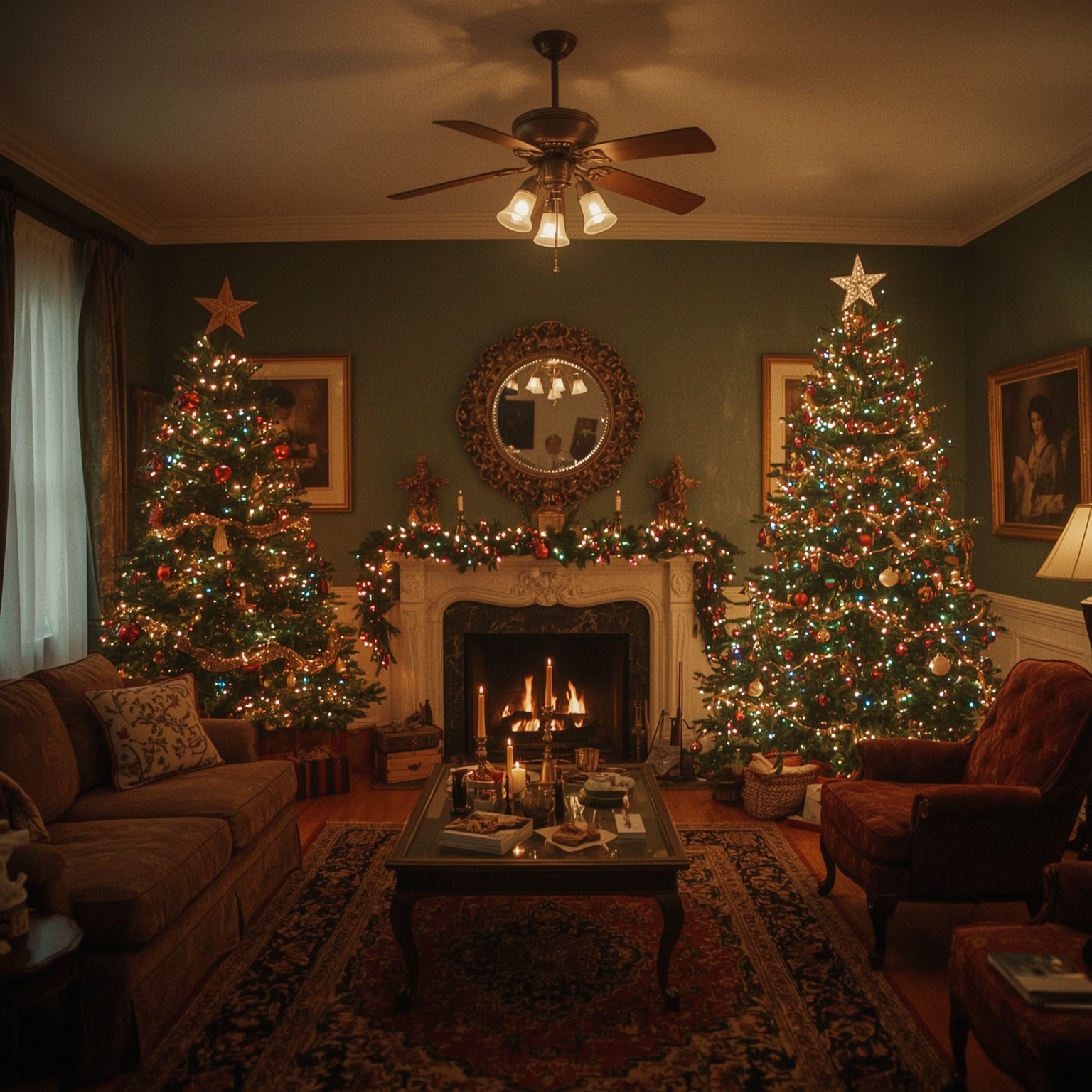
Now that Thanksgiving has passed and the winter holidays approach in full force, countless households once again find themselves immersed in the joyful ritual of adorning mantels, walls, and evergreens. The renewed popularity of nostalgic ornaments—ceramic tabletop trees, gleaming tinsel, and vividly hued stockings—suggests that many people are yearning for the cozy familiarity of the past, drawn perhaps by emotions of comfort, emotional warmth, and connection that minimalistic modern décor can rarely evoke. Popular revivals like cranberry and orange garlands or miniature vintage Christmas villages exemplify this trend toward rediscovering simpler times. What makes this return even more appealing is that such decorations can easily be created at home or found secondhand in thrift stores—an advantage especially relevant given that, according to WalletHub, roughly eighty-five percent of respondents plan to spend the same amount or even less on the holidays compared with last year.
Reflecting on the century-long journey of seasonal decoration reveals fascinating insights. In the early 1920s, families began to string electric lights around their Christmas trees, a concept first envisioned several decades earlier by an associate of Thomas Edison. Introduced in 1882, these small electric lights replaced the previous—and highly hazardous—custom of attaching burning candles directly to tree branches. By the 1930s and 1940s, holiday trees gleamed with festooned candy canes and cascading strands of metallic tinsel, shimmering under the soft glow of lamplight. Originally, tinsel had been crafted from genuine silver, a display of opulence reserved for the affluent. Later, more affordable and sturdier metals like copper and tin were substituted, reducing tarnish and cost alike. However, with the outbreak of World War I and the subsequent copper shortage, manufacturers turned to aluminum and even lead—materials that later raised fears of toxicity and fire risk—before eventually settling on the safer and inexpensive polyvinyl chloride that remains in use today.
Equally iconic, the candy cane has origins traceable to seventeenth-century Germany. It traveled across the Atlantic with a German-Swedish immigrant during the nineteenth century and became a beloved American confection. The peppermint flavor that is now inseparable from the treat was not introduced until the twentieth century, completing its transformation from simple sugar stick to seasonal symbol.
The wartime years of the 1940s brought austerity and scarcity, which directly influenced holiday aesthetics. Metal shortages and production limits forced families to decorate with handmade or natural ornaments—pinecones, nuts, and dried fruits replaced gleaming baubles. Even the availability of fresh evergreen trees declined, owing both to labor shortages and to the reduced freight capacity of wartime railroads. Many households turned instead to early artificial trees, which provided a creative yet practical alternative. Christmas stockings, typically hand-sewn from red or green felt and embellished with tiny bells, continued to appear by the fireplace. Their recognizable form endures today as one of the most beloved and persistent traditions.
By the time the mid-1950s arrived, prosperity had returned, and with it came an explosion of exuberant décor. Homes again shimmered with metallic tinsel and dazzling strings of lights, while families decorated together in festive camaraderie. Hanukkah celebrations during the same period also reflected this spirit of elegance—tables draped in fine linens and adorned with menorahs ranging from simple brass fixtures to elaborately sculpted silver centerpieces. Across cultures, light remained not only an aesthetic motif but also a deeply symbolic element of hope and continuity.
In the 1950s, ornamentation became more standardized in design, marking a shift from artisanal to manufactured uniformity. Though colored electric lights had been sold since the 1920s—roughly forty years after their invention—they became common and affordable only after mid-century industrial advances. Holiday meals, meanwhile, continued to feature ceremonial details: red or patterned tablecloths, carefully arranged dishes, and tall taper candles whose soft glow remains a staple of festive dining tables to this day.
Moving into the 1960s, new decorative materials and design motifs gained traction. Many households adorned their trees with pearlescent beads that caught and scattered light beautifully. Popular culture also reflected this aesthetic fascination with metallic hues and shimmering surfaces. Families like that of President Lyndon B. Johnson filled their trees with garlands of popcorn, vivid flowers, and eclectic ornaments that represented both tradition and modernity. White House holiday displays, though far more elaborate today, still draw inspiration from those simpler yet stately mid-century arrangements.
Another major trend of the 1960s was the “flocked” Christmas tree—artificially coated to simulate snow-covered branches. Although the technique emerged in the nineteenth century when people used materials like flour to recreate a wintry effect, the postwar era transformed flocking into a mass-producible phenomenon. Some enthusiasts even experimented at home by dipping branches in laundry starch, a practice later discouraged due to fire safety concerns. Simultaneously, outdoor holiday displays grew increasingly popular, with stylized snowmen, reindeer, and other lawn ornaments lending a cheerful glow to suburban neighborhoods. Inflatable versions of these designs remain a hallmark of contemporary seasonal décor.
During the 1970s, families gravitated toward an especially colorful, almost exuberant holiday aesthetic—trees draped in tinsel garlands, boldly knit stockings, and glowing ceramic tabletop trees. These light-up ceramic trees, painted in a glossy glaze and outfitted with multicolored bulbs, became beloved icons that have once again resurged in popularity. Today, modern retailers such as Aldi, Target, Pottery Barn, and Home Depot proudly carry their own interpretations, demonstrating the enduring appeal of retro craftsmanship.
Holiday villages, another cherished mid-century tradition, featured intricately detailed miniature buildings and figurines arranged to form idyllic winter towns. Enthusiasts would often layer cotton wool or sparkly white felt to imitate snow, mirroring the beauty of the world outside. These charming dioramas remain cherished in contemporary homes, whether acquired brand new or sourced lovingly from vintage shops.
Despite technological and stylistic evolution, many elements of festive décor have proven astonishingly timeless. The glowing exterior lights that adorn houses in the early 2000s may be more elaborate, coordinated, and energy-efficient than their ancestors, yet they express the same universal desire—to cast warmth and brilliance against the cold winter night. What would have appeared extraordinary or extravagant a century ago has now become a widespread, eagerly anticipated ritual that continues to unite families and neighbors through shared celebration, creativity, and the enduring glow of holiday cheer.
Sourse: https://www.businessinsider.com/christmas-holiday-decorations-through-history-photos