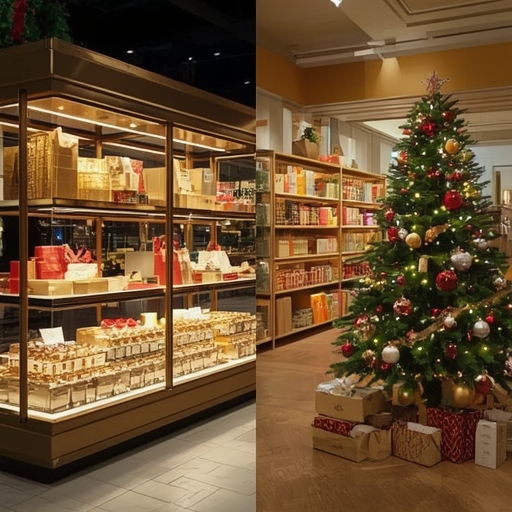
As the festive season unfolds in full grandeur, a remarkable transformation becomes evident within retail landscapes across the globe: holiday spending has reached new heights, propelled by the combined energy of two sharply contrasting yet equally influential consumer groups. On one end of the spectrum stand the affluent spenders, individuals with higher disposable income who approach gifting as an expression of abundance, generosity, and social confidence. For them, the holiday period is a time to indulge in premium purchases—exclusive designer apparel, state-of-the-art electronics, fine dining experiences, and other luxuries that symbolize both personal achievement and the joy of rewarding loved ones. Their economic strength fuels not only individual transactions but also infuses vitality into upscale segments of the retail ecosystem, sustaining luxury brands and flagship stores that cater specifically to aspirational lifestyles.
On the opposite end are the prudent strategists of the shopping world—a group equally dynamic and essential to the holiday economy. These consumers, often described as deal-hunters or value-optimizers, embody a more calculated approach to seasonal spending. They scour the digital marketplace for flash discounts, limited-time promotions, and loyalty program benefits, leveraging every possible advantage to maximize the value of their purchases. Their behavior reflects a blend of financial mindfulness and technological adaptability, as they use mobile apps, browser plug-ins, and price-comparison tools to ensure that no opportunity for savings goes unnoticed. In many ways, their approach exemplifies a modern form of consumer intelligence: resourceful, informed, and guided by the principles of fiscal efficiency.
Together, these two archetypes—the confident splurger and the strategic saver—create a dynamic equilibrium in the holiday retail environment. Their interplay defines the rhythm of seasonal sales, balancing high-end indulgence with discount-driven demand. For businesses and marketers, recognizing and understanding these contrasting yet complementary consumer motivations has become essential. Accurately anticipating how each group behaves enables retailers to fine-tune their strategies, from inventory planning to personalized promotions and customer experience design. Luxury brands may lean into storytelling that highlights exclusivity and emotional resonance, while mainstream retailers might focus on accessibility, convenience, and attractive value propositions.
In essence, the dual forces driving holiday spending reveal not a divided market, but a diversified one—an ecosystem where both exuberant generosity and strategic frugality coexist, each reinforcing the other’s importance. The season’s economic vitality depends on this intricate balance, illustrating that the spirit of the holidays is expressed both in the willingness to give lavishly and in the satisfaction of making every dollar count. Whether one identifies more with indulgence or prudence, the collective enthusiasm surrounding holiday commerce underscores a shared anticipation, a universal eagerness to celebrate, connect, and participate in the enduring tradition of festive exchange.
Sourse: https://www.wsj.com/business/retail/two-types-of-shoppers-are-powering-holiday-spending-the-wealthy-and-deal-hunters-f55ae08e?mod=pls_whats_news_us_business_f