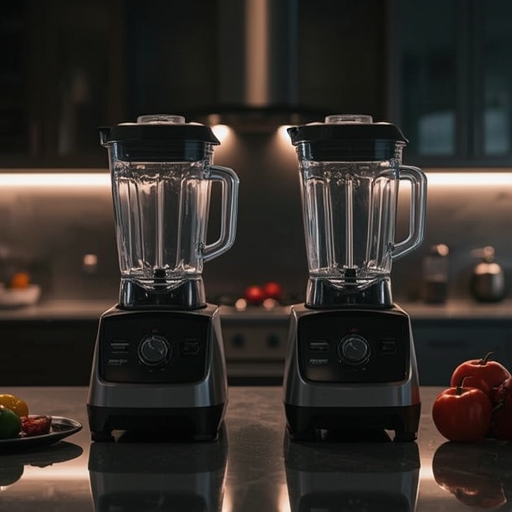
What’s Different: Ascent X2 vs. X5 — An In‑Depth Comparison at a Glance
When evaluating the Vitamix Ascent X2 and X5, the differences may initially appear minimal, yet a closer look reveals distinctions that can significantly affect your daily cooking experience. The Ascent X2 weighs approximately 13.6 pounds, making it slightly lighter and thus easier to maneuver or store than the X5, which comes in at around 14.25 pounds. In terms of controls, the X2 relies on traditional physical switches and dials, providing a tactile interface valued by users who prefer direct manual engagement. The X5, conversely, transitions into the modern realm with fully digital controls, enabling a sleeker interface and a smoother adjustment process for precise blending operations. The X5 also displays a visible tamper indicator and an overheat pre‑warning system, practical inclusions that assist users in preventing misuse. The X2 lacks these additional monitoring features but favors simplicity. When it comes to built‑in programs, the contrast is even more noticeable: the X2 includes three pre‑set modes—Smoothie, Frozen Dessert, and Hot Soup—designed to handle everyday blending needs efficiently. The X5, however, expands this concept, offering ten pre‑set programs that cover an extensive range of preparations, such as Hot Soup, Frozen Cocktail, Dips & Spreads, Smoothie Bowl, Frappe, Nut Butter, Non‑Dairy Milk, and Spice Grinding, in addition to the three already present in the X2. This broader selection caters to more adventurous cooks or those who frequently experiment with diverse recipes.
When comparing the appearance and finish, both models maintain the refined Vitamix aesthetic, but the X2 offers four different color options for personalization, whereas the X5 adds a more premium touch with its brushed stainless or graphite metal base. The choice between these can subtly influence how each unit integrates into your kitchen’s style. Despite their outward differences, both machines share the same blending capacity of 48 ounces. For larger households, this might sometimes feel modest, yet for typical families or individuals who prepare single servings, it remains more than adequate. It is worth noting that these preset programs, regardless of model, are essentially pre‑determined sequences that automate speed and duration. The X5 provides a bit more flexibility with a +15‑second extension feature, allowing slight customization when a blend requires extra processing time. Nonetheless, neither machine obligates the user to rely on presets—manual control remains available for those who prefer direct oversight.
A noteworthy shared attribute between both machines is the Self‑Detect feature. This intelligent system allows the blender’s base to recognize various compatible attachments, such as different container sizes or even a food‑processor accessory, adjusting its speed and time settings accordingly. The technology functions through Near Field Communication (NFC), which enables wireless recognition between the base and containers via embedded chips. When properly aligned and clean, this mechanism works seamlessly, automatically recalibrating the settings the moment a new container is placed on the base. However, as practical as it is, the feature is not infallible. Users occasionally report inconsistent detection—sometimes due to improper alignment, unclear contact surfaces, or undetermined factors. When the system operates correctly, though, it’s efficient and undeniably useful, offering effortless transition between tasks without fiddling with manual settings.
Both blenders are sturdily engineered and built for longevity, each backed by a 10‑year warranty—a testament to Vitamix’s confidence in their durability. The construction includes a two‑part lid that firmly locks into place, although users may find it slightly challenging to separate after blending, a reminder of the secure seal designed to prevent spills. Both models feature extended cords exceeding three feet for flexible counter placement, and both possess nearly identical blade speeds, though the X5 edges ahead marginally in rotational power. The blending containers are crafted from BPA‑free plastic, ensuring safety without compromising on weight. The key material difference lies in the X5’s metal shell casing, which not only contributes to its elegant industrial aesthetic but also explains its marginally heavier profile.
Ultimately, choosing between the X2 and X5 depends on the user’s culinary habits and expectations. If your blending needs remain fairly simple—perhaps limited to casual smoothies, purees, or occasional soup-making—the X2 offers exceptional value and performance at a more accessible price point. It embodies a minimalist approach: fewer programs, lighter weight, and manual controls that keep things straightforward. However, for the passionate home chef who enjoys crafting complex recipes or experimenting with thicker mixtures such as nut butters, frozen cocktails, or spice blends, the X5 stands out as the more capable companion. Its enhanced functionality, advanced digital interface, and expanded preset menu allow for greater precision and convenience in daily use. Both machines, though distinct, share a legacy of power, reliability, and craftsmanship that has long defined the Vitamix brand. In essence, the decision rests on how deeply you engage with your culinary pursuits—choose the X2 for simplicity and efficiency, or step up to the X5 if your ambitions in the kitchen call for a more versatile and intelligent tool.
Sourse: https://www.lifewire.com/vitamix-ascent-x2-vs-ascent-x5-11864287