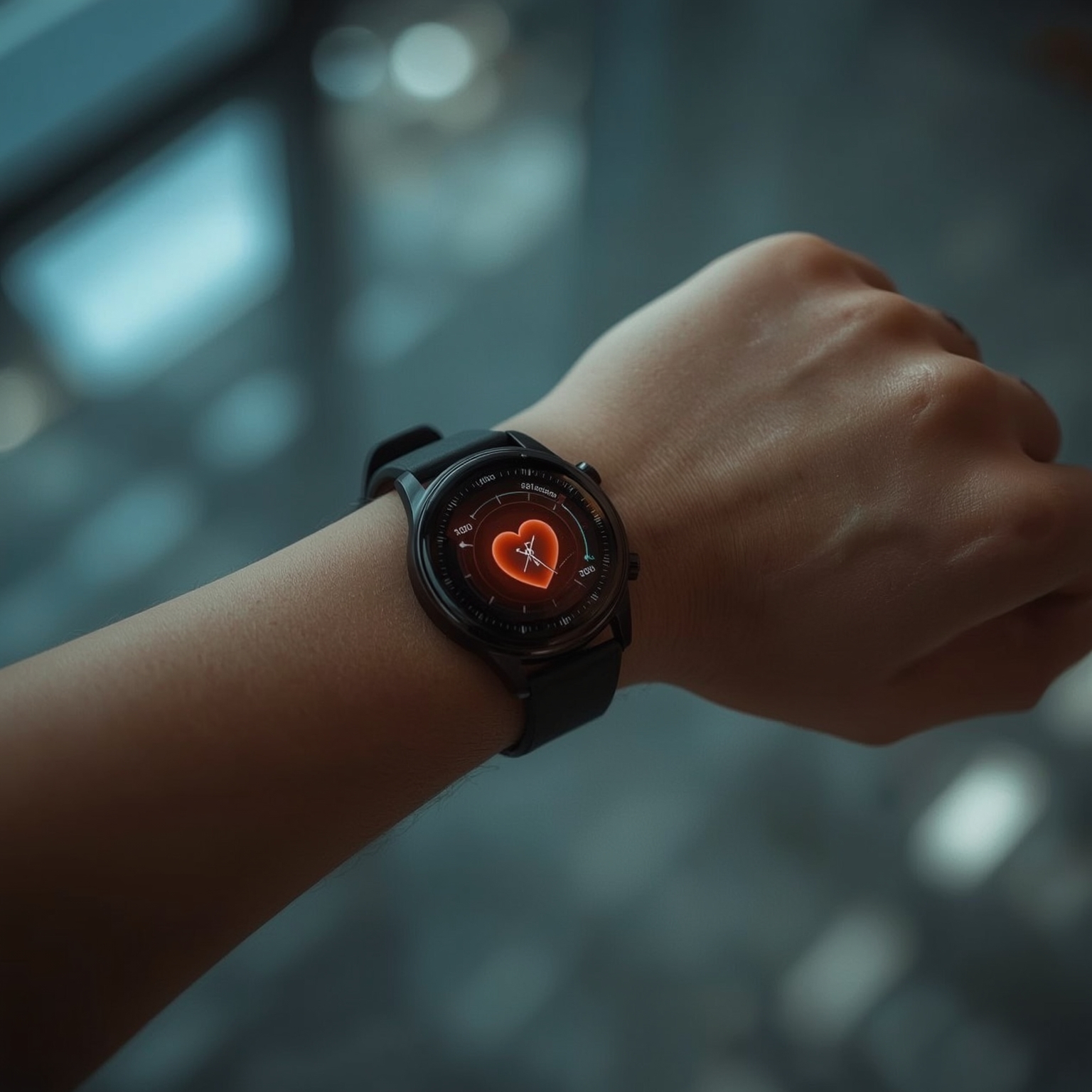
On Thursday, the United States Food and Drug Administration granted official clearance for a new hypertension detection feature designed for the Apple Watch. This innovative health capability, which first captured attention during Apple’s highly publicized iPhone event in September, represents a significant advancement in wearable wellness technology. The tool continuously monitors signals collected through the watch’s sensors and can issue proactive alerts to owners when patterns suggest the potential onset of high blood pressure—an often overlooked yet widespread medical condition that silently affects millions of people without their knowledge.
Alongside the confirmation from the FDA, Apple announced that the hypertension detection system will begin rolling out globally next week as part of a broad product update. Specifically, the feature will be activated in more than 150 markets, including major regions such as the United States, the countries of the European Union, Hong Kong, and New Zealand. Importantly, while this functionality was initially showcased as part of the unveiling of the Apple Watch Series 11 and the premium Apple Watch Ultra 3, compatibility is not restricted to only the very latest devices. Contrary to the assumption held by many—including seasoned observers—that this tool would remain exclusive to Apple’s newest top-tier models, it will also function on the Apple Watch Series 9 and newer, as well as on the Apple Watch Ultra 2 and later editions.
The timing of this launch is particularly strategic, arriving during a moment when the broader wearables market is increasingly emphasizing wellness, disease prevention, and holistic personal care. Competing brands, including Oura, Samsung, and Google, are actively introducing rival functions aimed at health optimization. For instance, Samsung’s recently launched Galaxy Watch 8 offers a novel antioxidant index measured via the skin, underscoring how companies are attempting to differentiate themselves with unique biosensing capabilities. Apple, however, is not relying solely on hypertension alerts to advance its health ecosystem. In parallel, the company is also releasing Sleep Score, a feature that evaluates nightly rest quality on a standardized numerical scale, thereby expanding the watch’s ability to serve as a comprehensive personal health companion. Both of these features will be delivered in the upcoming WatchOS 26 update, scheduled for release next week.
While the hypertension notification system does not constitute full-fledged blood pressure monitoring—a capability many loyal Apple Watch enthusiasts had hoped to see—it nonetheless represents a rigorously validated effort to tackle an urgent medical issue. High blood pressure is frequently asymptomatic yet can be life-threatening if left untreated. Apple projects that within the first year alone, the feature will help identify more than one million individuals who may otherwise remain unaware of their condition. Much like the company’s existing functionalities for irregular heart rhythm detection and sleep apnea alerts, the hypertension notifications operate quietly in the background without requiring users to take additional steps. After a preliminary 30-day observation period, the device analyzes longitudinal data and, if consistent patterns emerge that mirror hypertension indicators, it will notify the user. Apple emphasizes that these notifications should not be mistaken for a medical diagnosis; instead, the feature is intended to act as an early-warning mechanism that encourages users to seek professional medical evaluation.
If a user does receive an alert, the Apple Watch provides an actionable next step: it advises confirmation through a traditional blood pressure cuff, which remains the clinical gold standard for accuracy. All collected information is automatically stored in the iPhone’s Health application and can conveniently be exported as a PDF document. This streamlined process removes the delay of the conventional “monitor and return” cycle typically experienced after an initial doctor’s appointment and instead empowers patients to arrive at their consultations with organized, ready-to-review data already in hand. The hypertension detection feature will ship pre-installed on Apple’s newest models—the Series 11 and the Ultra 3—and will also be activated through the WatchOS 26 update, launching September 15, on devices including the Apple Watch Series 9, Series 10, and the Ultra 2.
Turning to the newly introduced Sleep Score functionality, Apple is addressing an area where its platform has lagged slightly behind competitors. Although the Apple Watch has tracked sleep duration, sleep phases, and behavioral consistency for several years, it stopped short of assigning a consolidated score. Competing brands like Garmin, Oura, and Samsung have long offered scoring systems to summarise nightly sleep quality. With Sleep Score, Apple Watch users will now receive a clear, quantitative rating on a scale of 0–100, accompanied by additional qualitative grading that spans from “poor” to “excellent.”
The score is calculated based on three core metrics identified as most influential in determining overall sleep quality: the total amount of sleep achieved, the number of interruptions caused by external factors such as children or pets, and, most significantly, nightly bedtime consistency. Apple notes that maintaining a steady sleep schedule is one of the most impactful behaviors for improving rest, and the scoring system has been designed accordingly. Notably, the introduction of Sleep Score is rooted in scientific credibility. Apple invested years in gathering extensive empirical data and waited until guidelines from organizations including the American Academy of Sleep Medicine, the National Sleep Foundation, and the World Sleep Society could be incorporated. The proprietary algorithm was further refined using more than five million nights of anonymized participant data from the continuing Apple Heart and Movement Study, ensuring that the scoring model reflects real-world usage at a massive scale.
Users will experience the benefits of Sleep Score directly each morning in multiple convenient ways: through the dedicated Sleep application on their iPhone, on their watch face as a glanceable complication, and within the Health app for deeper analysis. Daily scores are accompanied by detailed breakdowns that illustrate how each contributing factor—duration, stability, and interruptions—impacted the overall grade. This contextualization helps eliminate ambiguity by offering transparent explanations. For example, if a user went to bed significantly later than usual, this late bedtime would negatively affect consistency metrics and lower the overall score. While not prescriptive advice in itself, these insights empower users to make behaviorally informed decisions about improving their rest patterns. Moreover, Sleep Score operates retroactively, automatically assigning ratings to previously logged data after the software update is installed, making historical patterns more meaningful.
Sleep Score will be available to a wide array of Apple Watch owners as part of WatchOS 26. Specifically, it will function on Apple Watch Series 6 and later, the Apple Watch SE (2nd generation and newer), and all Apple Watch Ultra models. For full compatibility, the watch must be paired with an iPhone 11 or newer running iOS 26. In sum, both the hypertension detection alerts and the Sleep Score represent substantial progress in Apple’s vision of the Apple Watch as not merely a convenience-oriented gadget, but an increasingly sophisticated healthcare companion designed to provide early insights, improve personal wellbeing, and enable more proactive conversations with medical professionals.
Sourse: https://www.cnet.com/tech/mobile/the-fda-clears-the-apple-watch-for-hypertension-alerts/#ftag=CAD590a51e