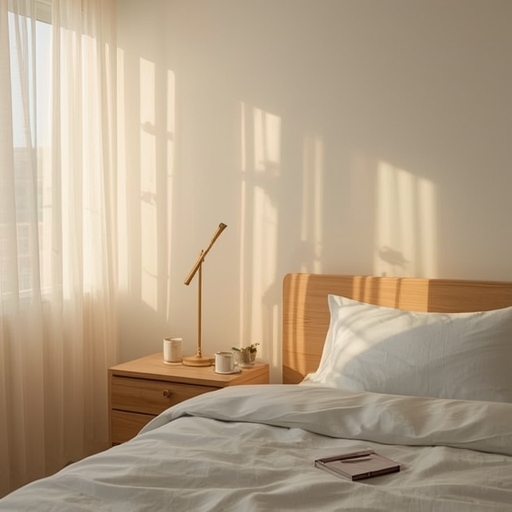
As the first light of summer began to filter through my windows, I found myself yearning for renewal — not simply a vacation or a change of scenery, but a deeper shift in how I moved through each day. I felt an almost physical craving for fresh routines that could support me, something dependable to lean on as I navigated a personally challenging season. In essence, I wanted to design a kind of emotional scaffolding within my daily life, structures that could stabilize me when everything else felt uncertain. What I did not expect, however, was that this search for balance would quietly transform me into a morning person — something I had never planned or even particularly desired to become.
The realization came to me gradually but with undeniable clarity: if I truly hoped to alter how I felt throughout the day, the logical place to intervene was at its very beginning. Mornings, after all, hold a particular power — they offer a clean slate, a moment before the demands of the outside world intrude. I began to see that if I could cultivate a more positive mindset as close as possible to the moment I woke up, that fragile good mood might become more resilient, capable of carrying me through the inevitable stresses ahead. The first hours, it turned out, could set the emotional tone for everything that followed.
One small but surprisingly impactful decision became the cornerstone of this shift: I resolved to stop pressing the snooze button. For years, I had relied on that extra seven or eight minutes of pseudo-sleep, believing it softened the blow of waking early. Yet each morning I found myself feeling hurried, irritable, and vaguely defeated before the day had even begun. My dog Rooney and I would rush through a brief walk, often just enough time for him to stretch his legs before I sat down at my computer, already tense and behind schedule. Something had to change. So instead of stealing more fragmented minutes of rest, I began rising when the alarm first chimed, giving us both time for an unhurried stroll and a trip to the dog park. What astonished me was that I didn’t even have to shift the alarm earlier — I simply had to honor the time I had already chosen.
When I looked back, I realized I had never once felt genuinely glad to have pressed snooze. I had never woken up after those extra minutes thinking, “I’m so grateful for that barely conscious sliver of rest.” More often, I felt groggier, less clear-headed, as though I had started and abandoned too many false beginnings before truly committing to wakefulness. There was a tiny but meaningful act of self-respect in keeping the promise I made to myself the night before: to get up when the alarm sounded. Strangely enough, that small act of follow-through gave me momentum that extended far beyond the morning hours.
Over time, Rooney and I came to love our new ritual. The dog park became a cornerstone of our routine, a place not just of exercise but of connection. Rooney, once content to wander among people seeking pats and attention, learned how to play with other dogs, discovering a social joy of his own. Meanwhile, I found something surprising too — the pleasure of beginning my day in the company of real, breathing humans rather than staring into glowing screens. The simple pleasure of greeting familiar faces, exchanging small talk, laughing about our dogs’ antics — it filled me with a sense of belonging that no online scroll could provide. That sense of human warmth lingered, rippling through the rest of my day.
After our morning outing, I often found I had the energy — both physical and mental — to continue caring for myself. Because I was already awake, engaged, and in a good mood, exercising felt less like a chore and more like an extension of that good feeling. I had attempted countless times in the past to become the kind of person who hops out of bed ready for a workout, but it had never suited me. Yet when I began my mornings with something I genuinely looked forward to — that peaceful time outside with Rooney — movement began to follow naturally. On days when motivation was thin, I still rolled out my yoga mat, sometimes choosing a gentle, nearly meditative routine. Even if the practice felt more like a nap accompanied by stretching than an athletic feat, it kept the continuity alive — the habit of showing up for myself, however small the effort.
The benefits extended further than I had anticipated. Starting my mornings this way imbued the rest of the day with a rare sense of calm productivity. By the time I sat down to work, I felt collected, unhurried, and surprisingly efficient. My tasks flowed more smoothly because my thoughts were no longer clouded by early irritability. This sense of ease accumulated; overall, I noticed I was less anxious, better rested, and sleeping more soundly at night. That improvement in rest did not come from sleeping longer, but from the quality of my waking hours.
Another unexpected outcome was my shifting relationship with technology. Because my new routine required no screen, I often found that hours passed in the morning without me checking my phone. That digital quietude, especially at the start of the day, carried forward. With fewer reflexive scrolls and less compulsive checking, I felt more mentally present and grounded. The world shrank to a manageable, human-sized scale — the rustle of leaves, the sight of Rooney’s tail wagging, the rhythm of my own breath in the cool air. These small sensory moments became anchors for mindfulness.
Now, to my own mild astonishment, I find myself identifying with a title I once dismissed: a morning person. There was a time when I rolled my eyes at the idea — it sounded almost self-congratulatory, a kind of personality virtue signal. But now I understand that it’s not about perfection or productivity; it’s about presence. I’ve discovered that by simply honoring my mornings — by resisting the snooze, by allowing space for joy, connection, and gentle movement — I end up honoring myself. And in doing so, I’ve created not just a new routine, but a new rhythm for living, one that begins, quite literally, with the first light of day.
Sourse: https://www.businessinsider.com/morning-person-routine-tips-stop-snooze-button-2025-12