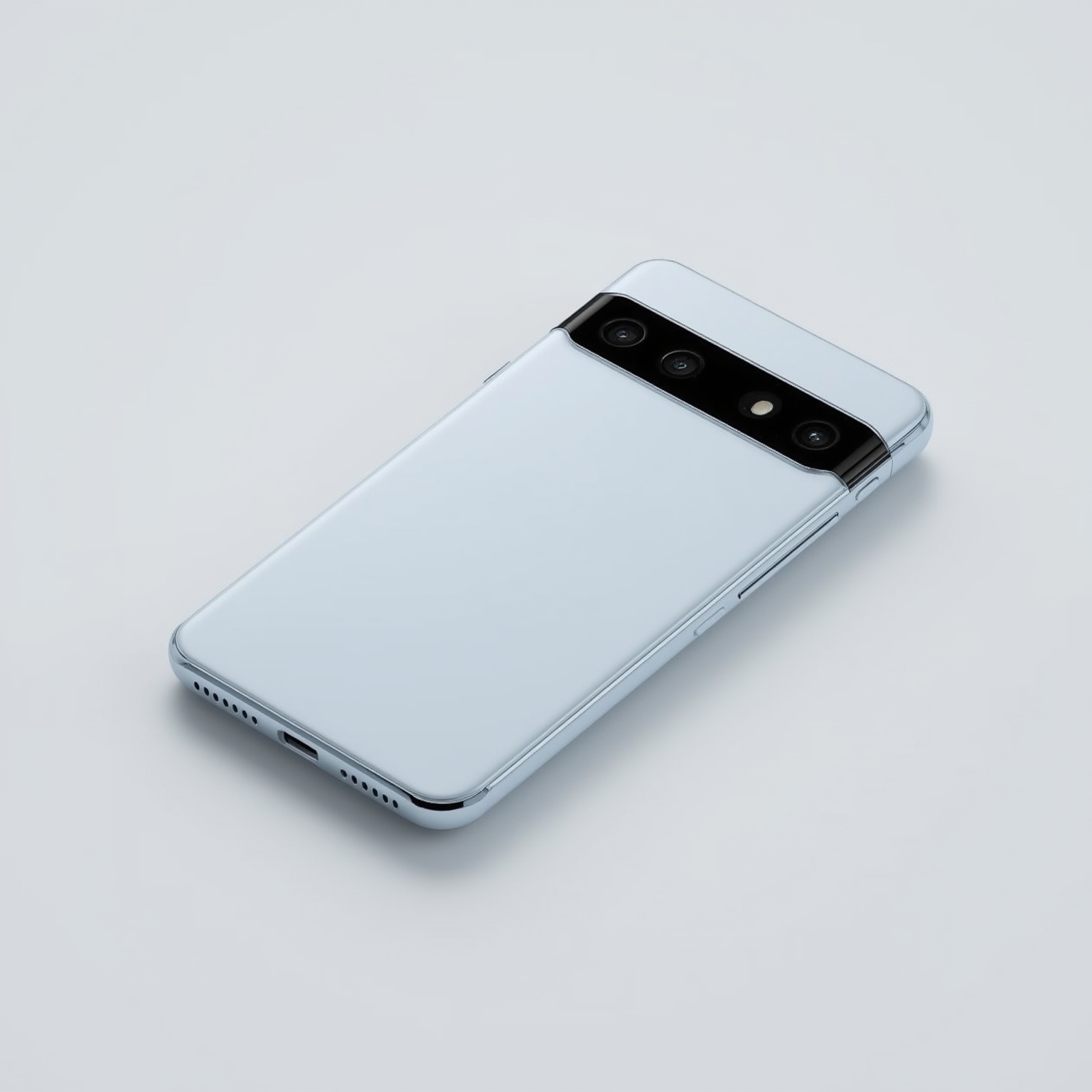
Sony has officially introduced the Xperia 10 VII, a device positioned firmly within the midrange tier of the Android ecosystem. The handset will be made available across the United Kingdom, much of mainland Europe, and select Asian markets, though potential buyers in the United States will find themselves excluded from this release. While Sony’s smartphone efforts in recent years have largely flown under the radar, this model stands apart because it represents the first significant alteration to the company’s external design ethos in well over half a decade. Most notably, the Xperia 10 VII incorporates a pronounced horizontal camera bar, a stylistic choice that directly parallels recent design strategies embraced by Google’s Pixel line and, more recently, by Apple’s latest iPhone iteration.
Historically, Xperia devices have adhered to a fairly consistent approach to camera placement. Since the original Xperia 5, introduced in 2019, Sony has relied largely on vertically aligned camera modules positioned neatly in the corner, with only rare exceptions such as the specialized Xperia Pro-I. The new Xperia 10 VII decisively breaks from this long-standing template. Instead of the familiar vertical strip, it features a horizontally oriented dual-lens array, housed within a pill-shaped raised bar that spans the upper rear panel of the phone. Constructed from matte-finished plastic available in understated black, crisp white, or a more expressive turquoise, the exterior aesthetic is strikingly different from anything Sony has produced in recent years. The visual resemblance to Google’s Pixel handsets is immediately apparent, and the timing of the release coincidentally mirrors Apple’s introduction of a similar camera bar design with its iPhone Air models, underscoring a growing industry movement toward this rear-camera treatment.
From the front, however, the Xperia 10 VII is far more recognizable as a Sony device. Consistent with the company’s ongoing insistence on maintaining generous bezels at the top and bottom of the screen, the handset continues to deviate from the near-borderless trend pursued by many competitors. This design decision results in a profile that is somewhat bulkier than one might assume from simply considering the phone’s key specification: a 6.1-inch display utilizing a smooth 120Hz refresh rate. Yet even with these pronounced bezels, the device retains a nimbleness and lightness that ensures it feels smaller and more portable than the majority of contemporary smartphones. Another meaningful shift lies in its aspect ratio. After years of championing an ultrawide cinematic 21:9 screen — a hallmark of the Xperia range — Sony now adopts the more conventional 19.5:9 format, producing visuals that are slightly boxier and aligned with broader industry standards. This change may disappoint purists but could prove more appealing to mainstream consumers who desire a familiar screen experience.
Despite this bold new external design, Sony has preserved a number of its traditional hallmarks that continue to set its devices apart. Chief among these is the welcome presence of a classic 3.5mm headphone jack, a feature that has become increasingly rare in the modern smartphone market, yet remains cherished by audiophiles and pragmatic users alike. In a similar vein, support for expandable microSD storage endures, ensuring that buyers who rely heavily on extensive media libraries or professional file storage will continue to find the Xperia series attractive. The sizable upper bezel also provides practical benefits, accommodating front-facing stereo speakers that deliver a balanced audio experience without relying solely on downward- or side-firing alternatives. Furthermore, the phone maintains Sony’s hallmark water- and dust-resistance credentials, certified with both IP65 and IP68 ratings, offering durability that competes favorably with — and often surpasses — many rival midrange devices. Adding to the familiar Sony touches is a dedicated, side-mounted camera shutter button, long a distinctive feature of the brand’s smartphones, though it is admittedly less of a rarity in today’s market landscape than it once was.
Beneath the surface, the Xperia 10 VII is defined as a competent but not groundbreaking midrange device. Power comes from Qualcomm’s Snapdragon 6 Gen 3 chipset, a platform that provides reliable if modest performance without venturing into flagship-level territory. Its imaging capabilities are anchored by a pair of rear-facing cameras: a 50-megapixel primary sensor complemented by a 13-megapixel ultrawide lens. These specifications, while serviceable and appropriate for its class, are characteristic of the price tier rather than demonstrably cutting-edge. Energy demands are met by a robust 5,000mAh battery, with Sony confidently projecting up to two days of usage on a single charge. However, this endurance advantage is tempered slightly by a limitation in charging options, as the device supports only wired charging without offering wireless alternatives.
From a broader perspective, Sony’s contemporary smartphones have consistently carried a distinctive design language admired by dedicated fans, even if the company has often trailed its competitors in terms of computational power, camera advancements, or ecosystem integration. With this latest release, it was becoming increasingly evident that the Xperia aesthetic risked appearing outdated compared to the fresh design cues adopted by rival brands. For that reason, the Xperia 10 VII’s redesign feels especially timely. Personally, I view the updated physical design as a welcome evolution that helps re-establish Sony’s relevance in a crowded field. Even more encouraging is Sony’s recent reaffirmation of the importance of its Xperia division, declaring that these devices remain a strategically vital part of the company’s broader consumer electronics vision. Ideally, the adoption of this bold new design philosophy here signals not only a renewed dedication to the midrange segment but also foreshadows similar innovations in the company’s forthcoming flagship models.
The Xperia 10 VII is priced at €449 in mainland Europe and £399 in the United Kingdom, which translates to approximately $530 in US currency equivalents, though again the device itself is not launching stateside. Consumers in supported markets can already secure their units through preorder, with official shipments beginning on September 19th. This release therefore marks a pivotal moment for Sony’s midrange lineup: a tangible redesign, a familiar yet subtly modernized identity, and the promise of further evolution within the Xperia brand’s future trajectory.
Sourse: https://www.theverge.com/news/777002/sony-xperia-10-vii-phone-design-specs-price