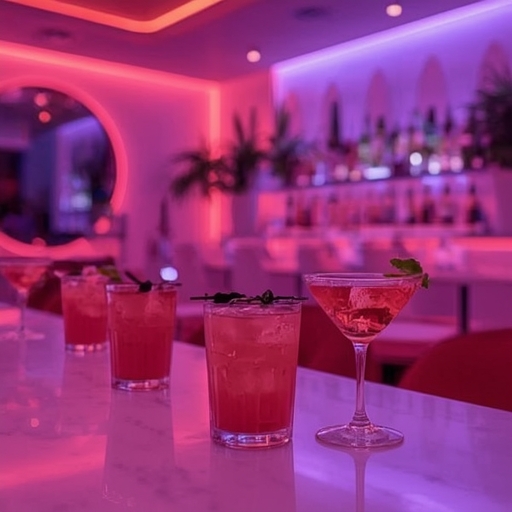
Members of Generation Z consume significantly less alcohol than their older counterparts, yet their unease in discussing this choice is beginning to reshape the very landscape of nightlife. Their attitudes are influencing not only where they prefer to spend their evenings but also how beverage menus are curated and how bar environments are physically and socially designed to accommodate their values. According to new research commissioned by Heineken, younger drinkers experience notably greater awkwardness than older consumers when they must articulate the reasons behind abstaining from alcohol. Although a growing number of Americans overall feel empowered to politely decline an alcoholic beverage with a simple “no, thank you” — around seventy-two percent, according to the study — or to select a non-alcoholic option at social gatherings, approximately only half of individuals under the age of thirty-five report feeling truly comfortable consuming low- or zero-alcohol drinks in public settings.
This generation also anticipates scrutiny when they opt out, expecting friends or peers to question their decision, and many express the sense that they must supply a credible explanation or socially acceptable excuse for avoiding alcohol. This tension is paradoxical, considering that Gen Z, as a whole, consumes far less alcohol than previous age groups. As younger adults increasingly distance themselves from heavy drinking while continuing to experience the social pressure to justify that restraint, nightclub and bar operators are proactively restructuring their menus, spatial design, and customer experiences around a cohort that desires to socialize freely without needing to defend or explain what is — or isn’t — in their glass.
Laura Fenton, a research associate at the University of Sheffield’s School of Medicine and Population Health who specializes in youth drinking behavior, attributes much of this discomfort to persistent social expectations. She explains that, even among younger adults who are redefining social habits, drinking together frequently serves as a symbol of mutual trust and belonging. Consuming alcohol in a group, Fenton suggests, often functions as an unspoken ritual through which friendships are strengthened and a collective identity is maintained. She references a Danish study highlighting that young people tend to feel obligated to justify a refusal to drink because within their circles, drinking acts as a demonstration of reciprocity — a signal that one is willing to participate equally in the shared social experience. As Fenton succinctly puts it, if someone chooses not to “be on the same level,” they believe they must offer a compelling justification.
Gen Z’s attitude toward alcohol is further influenced by heightened concern over health, wellness, and overall well-being. Many in this generation display an acute awareness of the physiological and psychological consequences associated with excessive drinking. Combined with the steep financial cost of alcohol — with cocktails in most urban centers now ranging upward of fifteen dollars apiece — these pragmatic and ethical considerations lead many to opt for less expensive and less risky alternatives such as soft drinks, coffee-based beverages, or creatively prepared mocktails. Marten Lodewijks, president of the beverage market analytics firm IWSR, explained in an interview with Business Insider that this generation is defined by its deliberate and mindful approach to consumption. According to him, Gen Zers are not resistant to drinking altogether; they still appreciate and enjoy it on occasion. However, their decisions are guided by awareness — they recognize the downsides and simply participate less often, balancing enjoyment with responsibility.
The result of this generational shift is a profound transformation in the hospitality industry. Bar owners and restaurateurs are witnessing real-time changes in patron behavior rather than theoretical trends. Award-winning chef and restaurateur David Chang remarked, during a November discussion with TBPN talk-show hosts John Coogan and Jordi Hays, that Gen Z’s diminishing appetite for alcohol poses what he described as a genuine existential threat to the restaurant business if establishments fail to adapt, particularly given the already precarious profit margins characteristic of the industry. In response, a wave of sober-focused venues has emerged across major metropolitan areas. One such operator told Business Insider earlier this year that every bar seeking long-term sustainability will have to broaden its non-alcoholic offerings to maintain competitiveness. This evolution is already underway: mocktails now appear on menus not as token gestures or inferior substitutes but as refined, fully realized beverages — often priced comparably to traditional cocktails — designed to deliver an equally sophisticated sensory experience. Stacy Molnar, an interior designer with over three decades of experience shaping restaurant and bar concepts, emphasized that the key metric for any operator remains revenue per seat. From this perspective, if a customer orders a fifteen-dollar mocktail instead of a fifteen-dollar cocktail, the business outcome is identical while the patron feels equally included and valued.
Anne de Graaf, Chief Corporate Affairs Officer at Heineken USA, noted that another behavioral pattern, colloquially called “Zebra Striping,” is rapidly spreading. This term refers to the practice of alternating between alcoholic and non-alcoholic drinks in the same outing, blending moderation with social participation. Yet the shift transcends the drink list itself. For many younger consumers, the entire bar experience is being reimagined. Bars are transforming into multi-sensory environments that cater to engagement and connection rather than intoxication. Instead of simply serving alcohol, these establishments offer focal activities — from board games and trivia competitions to artistically themed spaces and photogenic interiors designed to be shared on social media. Elements like striking décor, imaginative lighting, or Instagram-worthy bathrooms have become integral to the new experience. As Molnar explains, this generation craves “a vibe”: they are not attending bars simply to drink but to engage with one another in interactive, experiential ways that go beyond the traditional bar model.
From pastel-hued, TikTok-famous cafés to immersive venues centered around games, aesthetics, or live entertainment, the industry is gradually shifting its focus away from alcohol as the primary draw and toward atmospheres of creativity, comfort, and inclusive enjoyment. These environments enable socializing to feel spontaneous and low-pressure — situations in which alcohol is no longer a prerequisite for participation. Fenton reiterates that this movement ultimately extends beyond the beverage itself. For young adults, she explains, drinking is fundamentally a vehicle for social connection, a behavior deeply tied to identity formation and group cohesion. Bars that resonate with younger audiences are not succeeding merely because they serve high-quality alcohol-free options; they thrive because they de-emphasize alcohol altogether, crafting flexible, welcoming spaces where individuals feel free from judgment or expectation regardless of their drink choices. According to Molnar, the modern bar is evolving into a diversified experience hub — a place to converse, create memories, and belong, without the need to overindulge.
Looking ahead, the next evolution of nightlife will likely highlight inclusivity, atmosphere, and authenticity above all else. We can expect to see a rise in establishments that prioritize human connection over consumption — venues where meaningfully opting out of alcohol requires no justification. In this emerging paradigm, saying “I’m not drinking tonight” will no longer prompt uncomfortable explanations; it will simply be another accepted, normalized choice within a redefined culture of social life.
Sourse: https://www.businessinsider.com/gen-z-unusual-approach-alcohol-forcing-bars-change-menu-strategy-2025-12