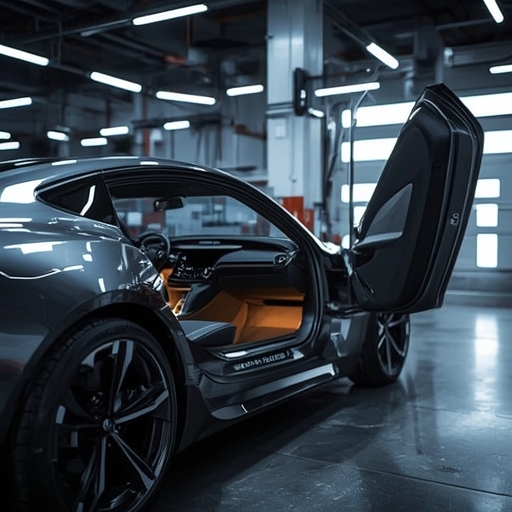
In the wake of several devastating and highly publicized crashes involving Tesla vehicles, the company’s innovative electric door system has become the focus of renewed discussion and intense debate within both the automotive and technology communities. These tragic incidents, some of which resulted in fatalities, have led to mounting legal actions and prompted a range of critical questions about whether advanced technological design has, in certain cases, unintentionally eclipsed fundamental safety priorities.
At the heart of the controversy lies Tesla’s hallmark feature—its electronically operated doors, a component long celebrated for their seamless functionality, sleek aesthetic, and modern engineering excellence. Yet the very mechanism that distinguishes these doors as emblematic of futuristic automotive design is now being scrutinized from a very different perspective. Critics, engineers, and safety advocates alike are asking whether the interplay of automation and manual override in these systems leaves passengers vulnerable during emergencies, particularly in the few but catastrophic scenarios where vehicles become disabled following severe impacts.
The lawsuits emerging in connection with these accidents underscore a broader and deeply consequential dilemma within the realm of high-tech engineering: how to reconcile the drive for innovation with the unassailable imperative of human safety. The cases have sparked a multifaceted dialogue—one that extends beyond Tesla itself—inviting regulators, designers, and the public to reflect on the ethical responsibilities that accompany technological progress. It is an urgent reminder that even the most advanced features, when placed in real-world conditions, must be tested not only for performance and efficiency but also for the most extreme and unpredictable emergencies.
This renewed scrutiny serves as a timely cautionary tale for all creators working at the vanguard of automotive technology and design. In a world where convenience and sophistication often captivate consumers and drive market competition, these incidents reinforce the principle that true innovation is measured not merely by novelty or elegance, but by the extent to which it safeguards human life. Thus, while Tesla’s pursuit of futuristic design continues to inspire admiration and debate, the recent tragedies press upon the industry a sobering truth: technical brilliance can never come at the expense of reliability, safety, and the preservation of those who entrust their lives to engineering excellence.
Sourse: https://www.bloomberg.com/news/videos/2025-12-17/tesla-s-dangerous-doors-video


