In 2017, I made a transformative decision to leave the sprawling metropolis of Los Angeles and move to Panama, where I began a new chapter of my life as an English teacher. My first year in this vibrant Central American country was characterized by unbridled excitement and a deep sense of discovery. Stationed in Panama City—a lively and modern capital that blends colonial architecture with gleaming skyscrapers—I found it remarkably easy to form new friendships. Dance classes, cultural meet-ups, and endless social gatherings opened doors to people from all walks of life. My calendar overflowed with activity, and my days were charged with the thrill of novelty.
Most weekends were devoted to exploring Casco Viejo, the city’s historic district and cultural soul. Its narrow cobblestone streets, pastel-colored facades, and rooftop terraces offered a sensory feast. My friends and I spent countless evenings in search of the perfect high-rise bar or hidden basement nightclub, where Reggaeton beats intertwined with pop rhythms, echoing over the old stone walls. The atmosphere buzzed with energy and possibility. Yet, amid that fast pace, the city’s relentless traffic, humid heat, and constant noise began to take their toll. What once felt electrifying slowly became draining. I longed for quiet, for simplicity, and for a different rhythm of life.
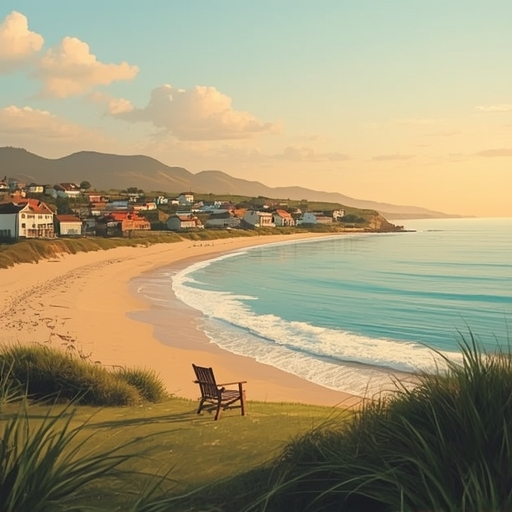
Craving peace, I packed my belongings and relocated to Playa Venao, a small coastal town about two hundred miles—or roughly a five-hour drive—from the capital. I imagined that settling into this seaside haven would be as effortless as it had been in the city. However, I soon discovered that community doesn’t always unfold naturally in smaller, more transient places. At first glance, Playa Venao felt like paradise incarnate. Known for its rich surfing culture—a defining aspect of Panamanian coastal life—the town exuded a laid-back charm. Yet at the time I arrived, it was only modestly developed: a scattering of hotels, hostels, and private homes stretched along the beach, divided by a single road separating oceanfront properties from untamed jungle and grazing pastures. Only a few hundred residents called this place home full time, making it a world apart from the urban chaos I had escaped.
My daily surroundings were breathtaking. I lived among lush tropical greenery, where fruit trees grew in abundance. I could step outside my rental home and pluck papayas, coconuts, and mangos still warm from the sun. The school where I taught was intimate, its small size lending itself to a strong sense of closeness between students and teachers. Because of the remote setting, nature itself became an active participant in our lessons. Children learned beside humming streams, their playtime shared with centipedes, howler monkeys, and the occasional iguana wandering past. Lessons often paused for spontaneous discoveries—birdsong echoing through the open-air classroom or the glimmer of a sudden tropical rain shower. When school hours ended, my life moved at a gentle, unhurried pace. I spent afternoons walking barefoot along the shoreline or hiking through the river trails nearby. The cacophony of honking horns and revving engines had been replaced by the soothing chorus of birds and the rhythmic hush of ocean waves.
While the serenity of Playa Venao rejuvenated my spirit, its quiet social scene revealed a deeper challenge. Initially, I found joy in meeting tourists and travelers from around the world, whose stories brought a sense of global connection. But as the novelty faded, I began to feel detached—adrift in a place that looked idyllic yet felt emotionally barren. Conversations often revolved around surfing, an integral part of local culture and the primary reason most visitors came to the area. As a beginner surfer, I found myself unable to relate to the thrilling exploits of seasoned wave riders. Each time I met someone intriguing, our shared moments were fleeting—confined to a week or two before their journey took them elsewhere. Despite numerous introductions, friendships rarely deepened beyond polite exchanges about work, hobbies, or nationalities. Over time, the lack of enduring connection began to sting. The loneliness crept in quietly, eroding the initial wonder of my escape.
Determined to find something lasting, I shifted my attention toward befriending locals, though it proved anything but simple. My school director had cautioned me that many local residents were reserved and cautious toward newcomers. I experienced this firsthand. One night at a nearby bar, after a lively game of pool with several locals, I felt sure I had finally made a breakthrough. Yet the next morning, they passed me in silence, neither greeting nor acknowledging me. The rejection was subtle but disheartening. I understood, intellectually, why a tightly bonded community might guard its circle against outsiders. Still, it hurt to be seen as a transient visitor rather than as someone striving to build a real home.
Weeks passed, and despite my efforts, I continued to struggle with isolation. A part of me considered giving up altogether—returning to the bustling city life I had left, where connection once came easily. I missed the simple pleasures of belonging: dance classes, post-work happy hours, and spontaneous movie nights with friends. Yet my commitment to the school year, and particularly to my students, anchored me. The children had become some of my closest companions, their innocent enthusiasm reminding me why I had chosen to teach in the first place.
Then came a conversation with my mother that quietly altered everything. Listening patiently to my frustrations, she reminded me that life does not unfold *to* us but *for* us—that every obstacle carries a lesson in disguise. Her words invited me to reframe my experience. Instead of fixating on what I lacked, I began to practice intentional gratitude. I redirected my energy away from longing for city luxuries—a movie theater, nightclubs, or constant social stimulation—and learned to find fulfillment in my immediate surroundings. I woke early to watch the horizon blush at sunrise, collected seashells and stones polished by the tides, and danced freely under the open sky with nothing but music from my small speaker. Nature, in its simplicity, became both my solace and my entertainment.
Gradually, as my inner perspective evolved, my outward reality began to shift as well. I stopped forcing connections and allowed relationships to develop organically. I learned to value interactions for their depth rather than their duration, recognizing that even brief encounters could hold meaning. Slowly, a web of small but authentic ties took root. My morning visits to the local café turned into warm conversations with the barista, who one day surprised me by gifting me the recipe for my favorite dish. Other friendships emerged through community events—kayak races, beach cleanups, and spirited surf competitions. The consistency of my presence seemed to soften local perceptions, transforming me from a passing foreigner into someone genuinely invested in the town’s rhythm.
Parallel to these social changes, my connections within the school community deepened. The parents of my students began to include me in local gatherings, and a trusted coworker became one of my first real friends in Playa Venao. Over time, I felt the fabric of belonging begin to form around me. What had once seemed like isolation evolved into a sustainable, peaceful existence anchored by mutual respect and authenticity.
By the time a full year had passed, I realized that enduring discomfort and uncertainty had yielded something far more lasting than I had expected. My experience taught me that genuine peace often emerges when we stop resisting the present moment and instead embrace it—accepting both its joys and its hardships in equal measure. In staying through the difficult days, I had discovered not just a community but also a renewed sense of self. Paradise, I learned, isn’t defined by perfection or ease but by the quiet understanding that fulfillment grows out of persistence, gratitude, and the willingness to belong wherever life plants you.
Sourse: https://www.businessinsider.com/moved-to-small-town-different-country-struggled-panama-2025-12


