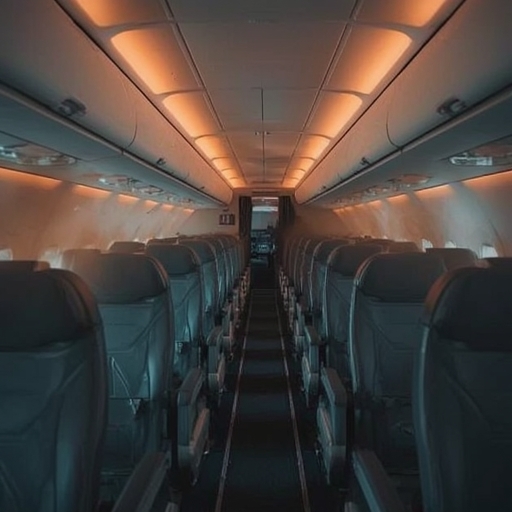
Behind the reassuring hum of aircraft engines and the calm professionalism of flight crews lies an often-overlooked risk — the potentially hazardous quality of the air circulating through airplane cabins. Mounting scientific evidence and a series of independent research studies now point toward a troubling relationship between contaminated cabin air and a spectrum of serious, sometimes even life-threatening, health problems affecting pilots, flight attendants, and other personnel who spend large portions of their lives at altitude. ✈️ This issue, long whispered about among aviation workers, is gaining broader recognition as more data emerges linking repeated exposure to trace levels of toxic compounds — often originating from engine oil or hydraulic fluid leaks seeping into the air supply — with respiratory ailments, neurological symptoms, and chronic fatigue.
The implications extend beyond individual health and into the broader realm of passenger safety and industry responsibility. Every time a crew member steps aboard an aircraft, they trust that the systems maintaining cabin air are functioning properly to filter and supply breathable air. Yet, when these systems contract microscopic contamination, the invisible pollutants can accumulate over time, creating conditions that compromise both wellbeing and alertness. For those responsible for operating and maintaining airplanes, this risk represents not only an occupational health emergency but also a challenge demanding urgent and coordinated action.
As concern grows within occupational health circles, aviation authorities, airlines, and medical experts are beginning to recognize that cleaner cabin environments are not merely a comfort feature but a fundamental necessity for sustainable and safe flight operations. The ongoing discussion around this subject signals a shift toward accountability and innovation — one that may eventually lead to improved filtration technology, more rigorous air quality monitoring, and comprehensive health protections for crews worldwide.
In the end, the essential message remains clear: safeguarding the air inside aircraft is intrinsically linked to safeguarding the people who fly them. By illuminating the dangers of toxic cabin air, this rising awareness offers an opportunity — and an ethical obligation — for the aviation industry to confront the silent threat above the clouds, ensuring that the pursuit of flight no longer comes with hidden costs to human health. #AviationSafety #HealthAwareness #FlySafe
Sourse: https://www.wsj.com/business/airlines/toxic-fumes-airplane-pilot-crew-death-739fa3bb?mod=pls_whats_news_us_business_f


