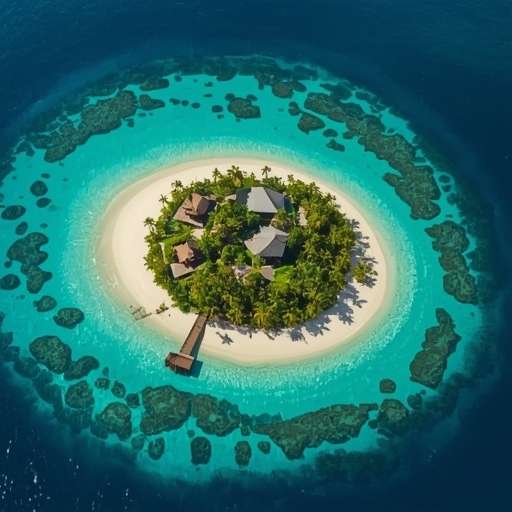
Blackstone, one of the world’s largest and most influential investment firms, is once again making headlines for its strategic expansion in the global real estate market. The company has announced the acquisition of a pristine, mostly undeveloped island located near the breathtakingly beautiful Great Barrier Reef — an area internationally recognized for its ecological significance and natural splendor. This acquisition, which contributes to the firm’s already immense $611 billion real estate portfolio, signals the continuation of Blackstone’s ongoing commitment to identifying locations that combine rarity, long-term value, and the potential for sustainable luxury development.
Unlike heavily commercialized resort destinations, this small island remains largely untouched by modern infrastructure, offering a sense of raw authenticity that is becoming increasingly scarce in global travel. Its unspoiled beaches, lush tropical vegetation, and crystal-clear turquoise waters make it a prime location for future projects that could attract discerning travelers seeking an exclusive escape deeply connected to nature. The move also reflects the broader industry trend of merging high-end investment with environmental consciousness — where luxury no longer functions in opposition to sustainability but rather coexists with it as a guiding philosophy.
By purchasing this undeveloped haven, Blackstone not only amplifies its presence within the Asia-Pacific real estate landscape but also underscores its belief in the future of eco-conscious hospitality. Investors and environmental advocates alike are watching closely to see how the firm will balance development with preservation. Potential plans may involve creating carefully designed resorts that incorporate green architecture, renewable energy technologies, and locally inspired aesthetics — ensuring that every aspect of construction harmonizes with the island’s delicate ecosystem while providing an unparalleled experience for visitors.
The acquisition can be interpreted as a broader metaphor for the shifting ambitions of modern investors. Where past ventures in real estate often prioritized scale and return on investment above all else, today’s leading developers, such as Blackstone, appear increasingly attuned to human experience and environmental resilience. This approach appeals to a new generation of travelers and investors who demand not just exclusivity but also responsibility — projects that both inspire and protect.
Although few details about the island’s development plans have been released, it’s clear that this purchase cements Blackstone’s reputation for shaping the future of global real estate by combining innovation, sustainability, and elegance. Positioned near the legendary Great Barrier Reef, a UNESCO World Heritage site, the island embodies the ultimate paradox: an untouched paradise on the threshold of transformation. The company’s stewardship of this space will be a test of how luxury and conservation can truly intersect.
In essence, Blackstone’s latest move goes far beyond the simple acquisition of land. It represents a philosophy — one that views real estate not merely as property, but as an evolving relationship between people, place, and planet. As the world shifts toward more intentional forms of development, this island may soon become a symbol of what the future of sustainable luxury can look like: beautiful, responsible, and enduringly prosperous.
Sourse: https://www.businessinsider.com/blackstone-hamilton-island-australia-photos-2025-12


