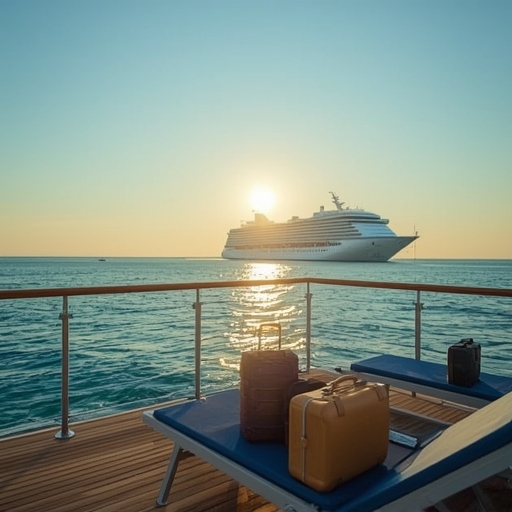
Embarking on my very first cruise was nothing short of a breathtaking adventure—a shimmering blend of excitement, discovery, and the occasional misstep. Although sailing across pristine waters and waking each morning to an endless horizon was truly magical, I quickly came to understand how a handful of seemingly minor choices could dramatically shape the overall experience. The lessons I took away from that voyage have remained with me and will surely guide every future trip I take upon the sea.
The first and perhaps most impactful mistake was related to my cabin selection. In my eagerness to secure a good deal, I focused solely on price rather than location and amenities. Only after a few sleepless nights did I realize how proximity to elevators, engine rooms, or high-traffic corridors could affect peace and comfort. A cabin just a few decks higher or midship, though slightly more expensive, would have offered a far calmer retreat. For any first-time cruiser, thoughtful consideration of layout and positioning aboard the vessel is invaluable.
Another lesson emerged from the art of timing—specifically, the relationship between debarkation and post-cruise travel plans. I naively booked an early return flight, assuming disembarkation would be swift and straightforward. Instead, delays at customs and the maze of passengers waiting to exit the ship left me anxious, rushing through what should have been a relaxed final morning. Allowing a generous window between disembarking and flying home—or even staying an extra night in the port city—ensures the journey concludes serenely rather than in a flurry of stress.
Dining arrangements provided yet another instructive moment. Cruises offer a dazzling variety of food experiences, from casual buffets to elegant specialty restaurants. I initially opted for spontaneity, but discovered that popular dining options fill quickly. Making reservations ahead of time, whether for a private chef’s table or a themed dining night, prevents disappointment and helps balance structured plans with moments of leisure.
Packing habits also demanded refinement. Overpacking may feel like preparation, yet on a ship where space is luxury, excess luggage becomes burdensome. Versatile clothing, layers suitable for unpredictable breezes, and a small daypack for shore excursions all contribute to a smoother experience. Equally important is keeping essentials—medications, documents, and a change of clothes—in carry-on bags for the first day, as checked luggage can take several hours to reach your stateroom.
The final insight, and perhaps the most profound, pertains to personal rhythm. Cruises present a dazzling array of entertainment, excursions, and social activities. Initially, I felt compelled to do everything—to attend every show, every cocktail hour, and every onshore tour. However, genuine enjoyment lies in balance. Allowing space for stillness—a quiet sunrise on deck, an afternoon nap lulled by the ship’s gentle sway—transforms the trip into a true vacation rather than a packed itinerary.
Reflecting on that initial voyage, I realize that each misstep was an essential element of learning how to travel well. If you are preparing for your own maiden cruise, knowledge becomes your compass: book your accommodations carefully, plan your transitions wisely, pack with intention, and remember that satisfaction often follows simplicity. The open sea offers endless promise—and with just a bit more foresight, every wave can carry you toward a smoother, richer, and more memorable adventure.
Sourse: https://www.businessinsider.com/first-time-cruise-mistakes-royal-caribbean-wonder-of-the-seas