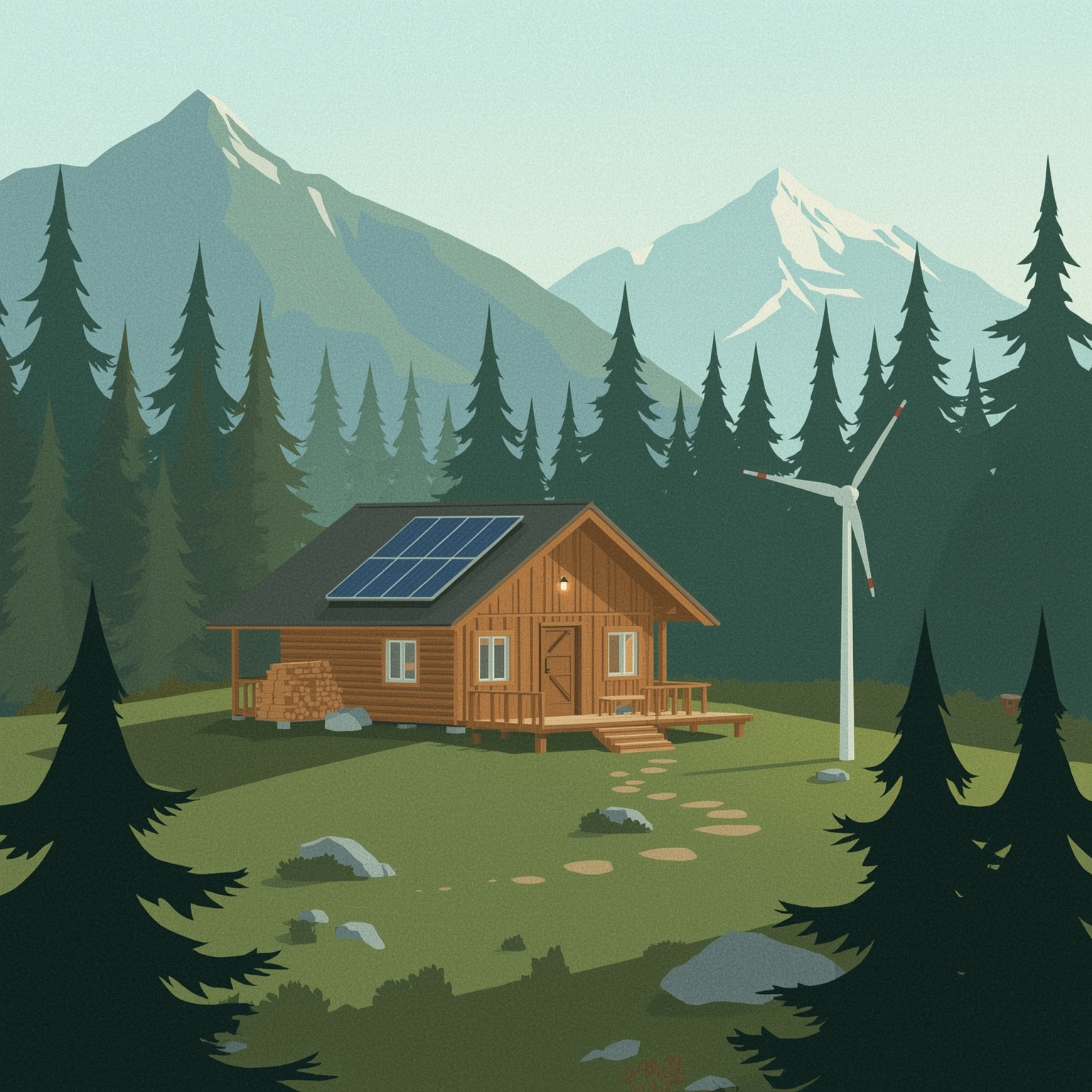
Living with a modest solar power system characterized by limited battery storage inherently ties our access to electricity to the whims of the weather. The amount of energy available at any given time fluctuates according to the intensity and duration of sunlight, making our daily routines subtly dependent on the natural environment. During the long, bright days of summer, the solar panels capture abundant energy, creating the impression of boundless and effortless power. In those months, it often feels as though our energy needs are perpetually met, with little thought required about consumption. However, the situation changes markedly when winter arrives and the days shorten. Periods of thick cloud cover can persist for many days, and our energy reserves quickly dwindle. The difference between seasons becomes striking—a vivid reminder that our self-sufficiency has limits bound to nature’s rhythm.
When one comes from a conventional home connected to the electrical grid, it can be surprisingly difficult to internalize the fact that nearly every modest action relies on power drawn from our finite battery supply. The simple act of flipping a light switch to illuminate a dark room, turning on the water pump to take a shower, or connecting devices to a Wi-Fi network—all these conveniences consume small but cumulative amounts of energy. What once seemed effortless now demands continuous awareness and intentional choices. Every electrical activity carries a direct consequence for how long our system can sustain us before recharge becomes necessary.
To satisfy our daily requirements within the constraints of our current setup, we have implemented a number of small but meaningful lifestyle adjustments centered around energy conservation. For example, instead of using an electric dryer, which quickly drains our stored electricity, we opt to air-dry our clothes on a rack. Though this shift might appear minor, it represents a broader change in mindset—from one of automatic consumption to one of mindful restraint. Similarly, our hot water supply no longer depends on electrically heated tanks. We use an on-demand propane water heater, which activates only when needed, thereby relieving pressure on the solar system. This approach introduces its own responsibilities: rather than merely paying a utility bill each month, we must remain vigilant about monitoring fuel levels and scheduling timely refills. Without that attention, the comfort of a warm shower can vanish unexpectedly.
Over time, these deliberate adaptations—once foreign and occasionally frustrating—have become an integral part of our daily rhythm. The practices that initially required conscious effort now feel entirely natural, embedded within the flow of our off-grid life. The transition demanded patience and persistence, but in learning to operate within the boundaries of our limited yet self-managed power, we have developed a deeper respect for energy itself and for the delicate balance that sustains our independence.
Sourse: https://www.businessinsider.com/what-to-know-before-moving-off-grid-mistakes-surprises-2025-11