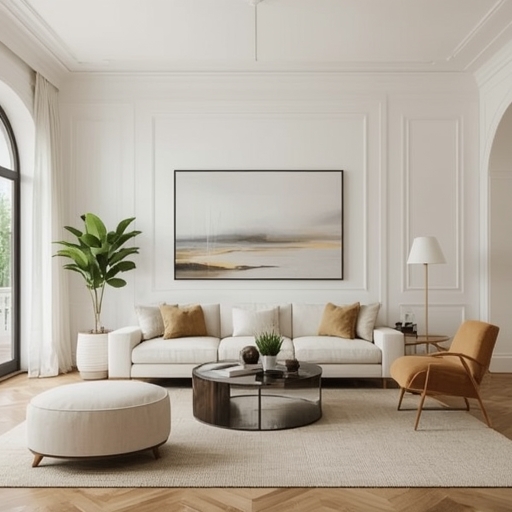
Have you ever wondered what happens when a professional interior designer, someone who spends her career crafting beautiful, functional, and harmonious spaces for others, turns her creative eye toward her own home? Interestingly, even experts in the field have firm personal boundaries when it comes to design choices. In this revealing exploration, one highly experienced designer uncovers eleven specific elements she would absolutely avoid within her private sanctuary. Each decision speaks volumes about the enduring principles of design—balance, comfort, authenticity, and restraint—and offers practical insight for anyone seeking to elevate their own living space beyond passing trends.
Among the first elements she eschews are outdated or overused color palettes that can make a home feel tired or artificial. Think of certain once-popular tones that dominated interiors in previous decades—bold jewel shades, heavy burgundies, or stark monochromatic schemes. While these color families can be dramatic, they often lack the quiet sophistication and flexibility that timeless neutrals or softly layered hues provide. By opting for tones inspired by nature—subtle whites, warm clay, muted greens—she ensures a calming backdrop that complements evolving furniture and décor.
Window treatments are another surprisingly personal topic of avoidance. Elaborate draperies, ornate valances, and thick fabrics may seem luxurious, but to this designer, they can overwhelm the architecture and obscure natural light. Instead, she prefers clean-lined solutions—sheer linen panels, simple Roman shades, or unadorned roller screens—that enhance light flow and visual simplicity. These create a tranquil and breathable atmosphere, proving that minimalism in detail often translates into maximum elegance.
Certain furniture styles also make her personal “never list.” Overly trendy or mass-produced pieces, while tempting for their accessibility, lack the unique craftsmanship and textural authenticity that define a truly curated home. She gravitates instead toward well-constructed essentials made from enduring materials—solid wood, metal, stone, or handwoven textiles. To her, beauty lies in the imperfections and patina that develop with time, creating interiors that tell a personal story rather than mimic a catalog spread.
Cluttered décor arrangements—particularly those dependent on excessive accessories—form another design red flag. While layering décor can express personality, there’s a fine line between artful composition and sensory overload. The designer favors intentional placement: a sculptural vase on a side table, an evocative piece of art standing alone on a wall, or a single large indoor plant anchoring a room. This selective approach encourages visual rest, allowing each object to be appreciated in its full context.
Artificial lighting that flatters only certain moments of the day is something she avoids entirely. Instead of relying on harsh overhead fixtures or overly cool LED bulbs, she prioritizes layered lighting—ambient, task, and accent—each chosen for mood and practicality. Warm, diffused glows from table or floor lamps can transform how a space feels at different hours, enhancing both functionality and emotional comfort.
Uncomfortable yet visually appealing furniture is another exclusion on her list. A piece may photograph beautifully, but if it invites stiffness rather than relaxation, it fails the ultimate test of domestic design: livability. For her, every chair, sofa, or stool must balance structural integrity with tactile pleasure—soft, supportive, and inviting enough for long conversations or quiet solitude.
The designer also refuses to incorporate unnecessary embellishments—overly ornate cabinetry pulls, gilded mirror frames, or excessive molding—unless they hold contextual meaning within the space’s architectural style. By removing visual noise, she ensures a dialogue between proportion, texture, and craftsmanship rather than distraction through excess.
Another element she avoids is mass signage or themed décor that dictates a room’s identity rather than evoking it. For instance, instead of literal “kitchen” or “gather” wall prints, she uses organic materials, subtle arrangement, and thoughtful lighting to signal purpose through experience rather than words.
Synthetic fragranced candles and heavily processed home scents also fail to find a place in her home. She believes olfactory design should be as intentional and authentic as visual ambiance, preferring natural diffusions from fresh herbs, essential oils, or quality incense that add sensory depth without overpowering.
Finally, she avoids anything that feels inauthentic or performative—design choices that cater more to social perception than genuine comfort. For her, a home must serve the soul first and impress second. This philosophy underpins the enduring charm of good design: it reflects the person who lives within it, not the expectations of fleeting trends or outside approval.
Ultimately, these eleven deliberate omissions reveal that design mastery is as much about discipline and restraint as it is about creativity. By understanding what not to include, the home becomes an expression of peace, personality, and timeless aesthetic clarity—principles that anyone, whether novice decorator or design connoisseur, can aspire to embody in their own living environment.
Sourse: https://www.businessinsider.com/what-interior-designer-never-have-in-their-home-list-2026-1