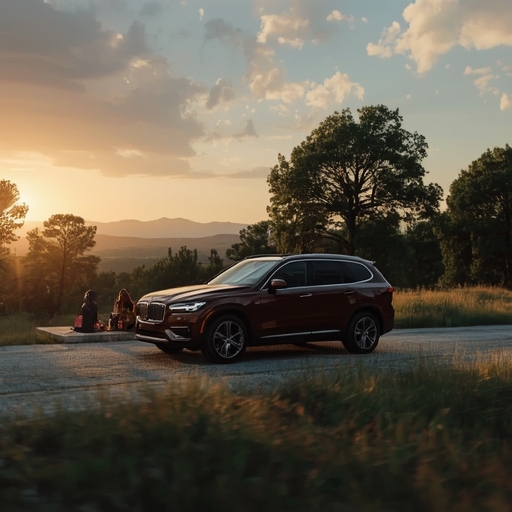
When I purchased my Volvo XC90 back in 2017, I was filled with genuine excitement and relief. Finally, I was bringing home a vehicle that combined the promise of uncompromising safety with the practicality of a third-row design. At the time, my children were between three and eight years old—energetic, opinionated, and constantly in motion—and the thought of extra space offered a vision of calmer, more comfortable journeys. That third row meant fewer squabbles over seating positions, fewer cries from cramped conditions, and, perhaps most importantly, the reassurance that my vehicle’s advanced safety engineering would protect my family on every kind of road—from snow-covered highways in winter to congested city streets during rush hour.
Now, nearly a decade has passed, and my trusty Volvo has accumulated more than 112,000 miles. Despite the passing years, I can still vividly recall that memorable afternoon when my family and I sat together on our front porch, watching with excitement as the car was lowered from the delivery truck. It wasn’t just the arrival of a new vehicle—it was the arrival of a new chapter in our family’s life, a promise of adventures, school drop-offs, and family vacations yet to come.
Today, my children—older and more observant—have begun asking when I plan to replace our long-serving car. Each time, my response is immediate and unwavering: I adore this car, and I intend to drive it for as long as it continues to serve us well. The Volvo has remained remarkably dependable, a machine I know I can count on through every season and every stage of family life.
Apart from routine maintenance and expected tire replacements, this car has exceeded every expectation of durability. Before the original warranty expired, we decided to purchase an extended one as an added safeguard. Yet even now, long after that additional coverage has lapsed, the car continues to impress me with its unshakable reliability. In its early days, we were grateful for its practical family-oriented features—the spacious trunk that could easily accommodate a double stroller, and the ingenious built-in booster seat that made carpooling with young children both safe and convenient. Today, those same versatile design elements serve us in new ways: the foldable third-row seats now make room for sports gear, skis, snowboards, and the endless assortment of backpacks and bags that come with growing kids.
Much of my life takes place on the road—driving to practices, appointments, and weekend getaways—and every time I sit behind the wheel, I’m thankful for the quiet reliability of my vehicle. My mother once offered a simple but lasting piece of wisdom: the best car is the one that reliably takes you from point A to point B without fail. Even after all these years, I still find that statement both true and grounding.
Over time, I have also developed an appreciation for the subtle yet crucial safety features that I now take for granted. The technological innovations—the blind spot indicators glowing on side mirrors, the precise sensor alerts from the backup camera, the constantly vigilant onboard computer system—all have, on numerous occasions, contributed to keeping my family safe and helping me avoid what could have been serious accidents. These are the unseen guardians that transform peace of mind into a daily reality.
Our Volvo has become more than a mode of transportation; it has become a fixture in our family’s story. This car has accompanied us on spontaneous road trips to national parks, on winter escapes to ski resorts deep in the Rockies, and even on quirky detours to places like an alligator farm. Its interior holds traces of those memories—muddy footprints pressed into the carpet, forgotten candy wrappers tucked under seats, and stubborn dog hair woven into the fabric. The exterior bears its own set of marks: a few dings from garage misjudgments and scratches that now serve as badges of a life richly lived.
On a purely practical level, the economics of a new car simply don’t make sense right now. Whenever my car is in for service, the dealer provides me with a gleaming loaner—a brand-new version of my XC90, complete with spotless interiors, a more powerful engine, and that intoxicating new-car scent. For a brief moment, it’s tempting to imagine owning one again. Yet, when I weigh emotion against logic, the balance always tips toward keeping what I already have. My car is fully paid off, and every passing month without a car payment means an extra portion of financial breathing room—money that can be redirected toward essential household costs, college savings for the kids, or even the occasional well-earned indulgence. In an era when borrowing costs have risen and even registration fees are lower for older vehicles, practicality and prudence have never felt more rewarding.
There is also a quiet, almost defiant pride in choosing to continue driving an older, well-loved car. We live in a culture that celebrates constant upgrading, one that equates novelty with success. But I find deeper satisfaction in resisting that impulse—in embracing the confidence that comes from appreciating value rather than chasing appearances. My Volvo may not attract admiring glances in the school pickup line, but to me, each scratch and small door ding resembles the lines on a beloved face—evidence of endurance, experience, and a life well-traveled.
So I intend to keep driving my trusted car, grateful for the safety, dependability, and emotional comfort it continues to provide. It is more than just transportation; it is a loyal companion that has safeguarded my family through years of change, growth, and endless journeys, and I have no reason to trade that kind of constancy for something merely new.
Sourse: https://www.businessinsider.com/why-im-still-driving-my-old-volvo-paid-off-2025-12