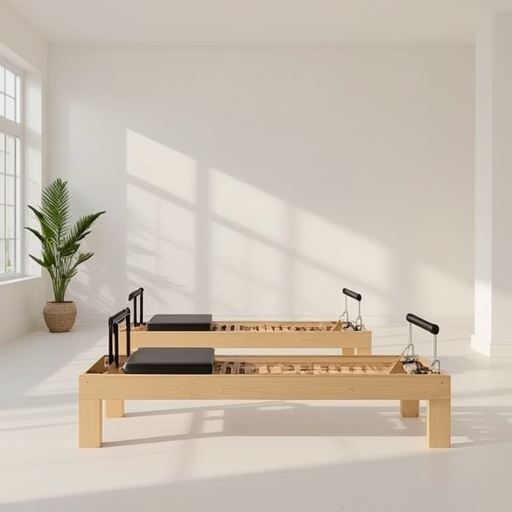
Entering the world of Pilates can be both exciting and intimidating, particularly for those stepping into a studio for the very first time. Over more than thirteen years of teaching, I have seen countless newcomers repeat the same small yet consequential errors that can easily be avoided with a bit of foresight and understanding. These missteps usually arise from uncertainty about preparation, attire, or mental approach. Yet addressing these details before class can profoundly shape the experience, allowing a beginner to feel capable, aware, and ready to benefit fully from each movement.
For instance, one of the earliest challenges new students face revolves around what to wear. The essence of Pilates lies in precision and controlled motion, and wearing overly loose or restrictive clothing can interfere with form and concentration. Opting for fitted, comfortable attire that allows freedom of movement while enabling the instructor to observe alignment supports both performance and safety. Something as seemingly minor as a well-chosen outfit can help you focus on balance, breathing, and posture rather than adjusting garments throughout the session.
Another frequent oversight occurs before class even begins: neglecting light nourishment or arriving on an empty stomach. Pilates demands awareness and energy but not heaviness, so a modest, balanced snack—such as fruit or a handful of nuts—provides steady fuel without causing discomfort. Skipping food altogether may result in fatigue, diminished concentration, or dizziness, which disrupts both rhythm and confidence. Proper preparation isn’t about athletic endurance; it’s about maintaining presence and clarity.
Equally important is the mindset one brings to the studio. Many beginners mistakenly believe they must power through each exercise or compete with those around them. In reality, the most rewarding Pilates practice arises from patience, mindfulness, and respect for one’s current limits. Each controlled motion teaches body awareness and coordination; mastery develops through refinement, not force. Approaching your first sessions with curiosity rather than expectation helps build a foundation of discipline that will strengthen your core both physically and mentally.
Finally, part of avoiding beginner pitfalls involves communication—asking questions, seeking correction, and inviting feedback. Instructors are there not only to direct but to guide, ensuring that every adjustment enhances alignment and safety. Remember that progress is most effective when accompanied by understanding. By cultivating trust in the process and remaining attentive to both breath and form, you will quickly transition from nervous beginner to confident participant.
Whether you plan to attend your first class or return after a break, taking these small but impactful steps will transform your Pilates journey. With thoughtful preparation, comfortable functional clothing, balanced nutrition, and an open, attentive mindset, you will enter the studio ready to move with intelligence and strength. What begins as a single class may evolve into a lifelong practice of harmony between body and mind—a foundation built not on perfection but on awareness, intention, and dynamic growth.
Sourse: https://www.businessinsider.com/common-beginner-pilates-mistakes-from-longtime-instructor