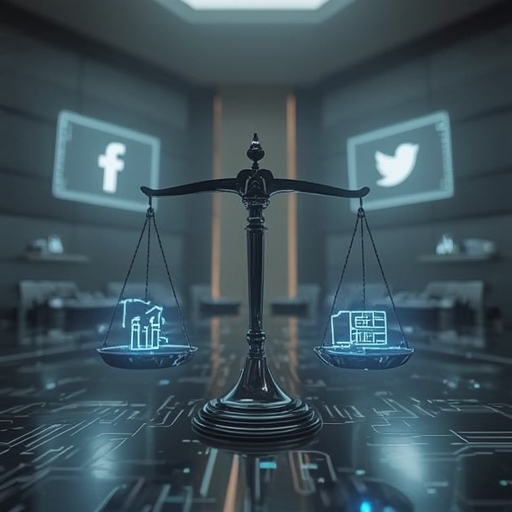
The year 2026 stands on the threshold of becoming one of the most transformative periods in the history of social media and digital ethics. As the world’s leading technology corporations approach their long-anticipated legal battles, society finds itself at a moment of truth. These trials are not merely courtroom proceedings; they represent a larger collective reckoning over the ethical obligations that powerful tech entities hold toward the people who use their platforms—especially the younger generation, whose emotional and psychological development can be profoundly shaped by digital interaction.\n\nObservers across industries, from policymakers to educators to investors, are watching closely to see whether this confrontation will mark the birth of a new philosophy of responsible innovation. The question at the heart of these proceedings extends far beyond the legal sphere: how should social media balance progress, profit, and protection? For years, rapid technological advancement has outpaced meaningful regulation, leaving questions of mental health, misinformation, and online safety unresolved. Now, in 2026, that imbalance is finally being brought into focus.\n\nThe implications of these trials could echo across the digital landscape for decades. The outcomes may force companies to adopt stricter oversight, refine their algorithms to prioritize user welfare over engagement metrics, and implement transparent measures to guard against the exploitation of user data. They may also push governments to establish cohesive frameworks for corporate accountability, creating an international precedent that binds innovation to ethical responsibility.\n\nAt the same time, this moment offers an opportunity—a chance to redefine the values that sustain our interconnected world. If the rulings prompt platforms to take genuine responsibility for their social impact, 2026 might be remembered as the year when the digital industry matured from a disruptive force into a steward of human well-being. But if these cases fail to bring lasting change, the costs to public trust and collective safety could be immeasurable.\n\nThe world, now more than ever, is tuned in. The events of 2026 are not simply about lawsuits or policy shifts; they are about shaping the moral architecture of the online era. In witnessing this legal and ethical drama unfold, we may be observing nothing less than the beginning of a new social contract between humanity and technology—a contract built on transparency, empathy, and responsibility.
Sourse: https://www.theverge.com/policy/867830/social-media-trials-product-liability-school-districts