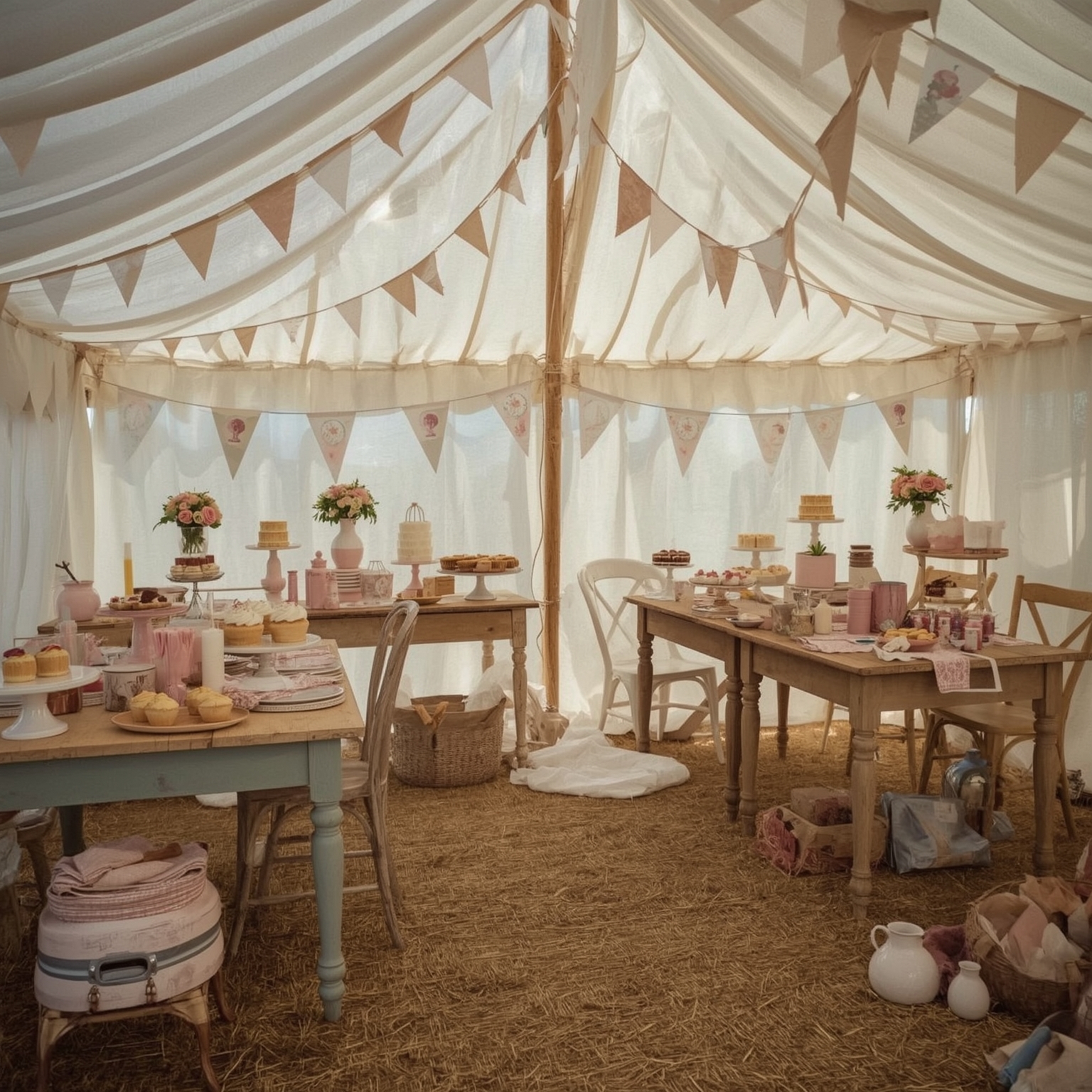
The article offers an expanded exploration into the delightful world of *The Great British Baking Show*—a television series that has charmed audiences for over a decade with its calm yet competitive energy, creative confections, and quintessentially British warmth. Known originally in the UK as *The Great British Bake Off*, the series invites amateur bakers from across the country to test their culinary ingenuity under considerable pressure. The contestants, who are strictly non-professionals, compete through numerous rounds featuring intricately designed cakes, breads, biscuits, and desserts. Yet beneath its calm, bunting-filled surface lies a complex production process, surprising traditions, and little-known facts that make the program far more intricate than its comforting aesthetic might suggest.
In the United Kingdom, the show is still called *The Great British Bake Off*, but in the United States, it airs under the title *The Great British Baking Show*. This change is not due to creative whimsy but to a legal limitation: the term “Bake-Off” was trademarked by the Pillsbury Company as early as 1949. Originally, Pillsbury launched its famous Grand National Recipe and Baking Contest—later rebranded as the Pillsbury Bake-Off—to commemorate its 80th anniversary by inviting home cooks to share their most impressive recipes. When the British producers sought to export the show to the U.S., they had no choice but to rename it, leading to the title that American audiences now recognize.
Since its debut on BBC Two in 2010, the series has become a national institution in Britain, maintaining its popularity even after switching to Channel 4. Audience figures reveal its enormous cultural impact: the finale of the seventh season drew nearly 15.9 million viewers—making it one of the most-watched television events in the UK since the London Olympics of 2012. Even several years later, ratings remained remarkably strong. The show’s enduring appeal, according to cocreator Richard McKerrow, stems from its uniquely communal and celebratory nature. He likened its atmosphere to major national events such as Wimbledon or the Olympics, emphasizing how the series has grown into something more than entertainment—an annual showcase of skill, creativity, and camaraderie.
Getting into the show is, however, anything but simple. Each year, over 12,000 hopeful applicants put their names forward in pursuit of a spot beneath the iconic white tent. From this immense pool, only around 300 to 400 bakers are invited for initial auditions, and after another rigorous assessment, a mere few dozen progress. At the end of this painstaking process, only twelve contestants are chosen to step into the spotlight. Producers look for individuals who possess both mastery of traditional techniques and an adventurous flair for innovation, prioritizing skill over personality. As producer Sam Beddoes explained, flamboyant characters alone are not enough; it is baking proficiency that determines success.
Applicants undergo a challenging, multi-step procedure before they even reach television screens. It begins with an extraordinarily detailed written application—described by past contestant Rav Bansal as “the longest form in history”—followed by phone interviews and on-camera tests. Afterward, candidates are required to complete off-screen baking tasks, where they must demonstrate versatility through both savory and sweet dishes that are then evaluated by professional food technicians. Contestants who advance to later rounds even meet with a psychologist to ensure they can handle the immense pressure, long filming days, and critical scrutiny that come with appearing on the show.
Preparation for potential success starts long before filming begins. Each contestant must pre-submit a collection of ten recipes for their signature and showstopper bakes, allowing the production’s food team to vet ingredients and plan logistics. According to former contestant Antony Amourdoux, drafting these recipes is itself a strenuous task. The bakers must outline every ingredient, exact quantity, and method, anticipating any possible mishaps—a process that demands precision and mental endurance.
One of the hallmark features of the series is its famous “technical challenge.” Despite being a fixture of every episode, contestants have no prior knowledge of what this test entails. They receive only minimal instructions, often phrased ambiguously, forcing them to rely on intuition and experience. Those stationed at the back of the tent might observe slight advantages in gauging others’ progress, but otherwise, everyone faces the same uncertainty, requiring poise under pressure.
To maintain smooth operation, the production depends heavily on its behind-the-scenes “home economics” team, responsible for preparing and organizing every ingredient and utensil before filming. These professionals ensure uniform quality and fairness by sourcing products to each baker’s specifications, sometimes “de-branding” items to maintain visual neutrality on camera. Contestants can request special ingredients or even particular brands, with the understanding that if something rare or exotic—like an Amazonian vanilla bean—is needed, they may need to provide it themselves. Many bakers even bring their own equipment, preferring the familiarity of their personal tools.
Fairness is of the utmost importance, and to that end, the ovens are meticulously tested daily using standardized cakes such as Victoria sponges to verify consistent performance across all stations. Once episodes are filmed, the abundance of baked goods produced does not go to waste. More than a hundred people are typically present in and around the tent, and leftover treats quickly vanish among grateful crew members and contestants eager to sample each other’s creations.
In contrast to many competitive reality programs, *The Great British Baking Show* maintains integrity by giving its judges—currently Paul Hollywood and Prue Leith—full authority over elimination and selection. Former judge Mary Berry emphasized that decisions are based solely on what is baked during that particular episode, ensuring sincere, day-of performance assessments rather than producer-influenced narratives.
Another unique touch comes from the show’s distinctive artistic look. Since the first season, illustrator Tom Hovey has been responsible for creating the vivid drawings of each baker’s envisioned creation, contributing immeasurably to the program’s identity. Working from photographs provided after filming, Hovey renders idealized depictions of bakes, sometimes enhancing details to capture what contestants had hoped to achieve rather than what necessarily appeared on set.
Although the tent appears spacious on television, it is actually a bustling environment filled with nearly a hundred people. Filming days are long—often stretching between ten and sixteen hours—and generally take place on weekends to accommodate participants with weekday jobs. Exertion, stress, and constant interviews—up to eight in a single day—make each episode’s production an exhausting endeavor.
Camera crews capture every possible emotional reaction, especially moments of triumph or disaster when bakers open their ovens. Environmental factors further complicate the challenge; temperature fluctuations and unstable flooring can dramatically affect outcomes, especially with sensitive desserts such as meringues or pastries. Occasionally, the production allows minor exceptions—such as granting extra time when sugar sculptures begin dissolving under humid conditions—but these allowances remain rare.
Continuity on screen requires contestants and judges to wear the same outfits for both filming days of each episode. For bakers laboring under hot lights, the experience can be uncomfortable, leading some to bring duplicate outfits or wash garments in hotel bathtubs between filming sessions. Phones are prohibited on set, cutting contestants off from the outside world, so communication with family and friends occurs only after filming concludes each evening. Moreover, participants must sign strict nondisclosure agreements preventing them from revealing either their inclusion or results until after broadcast.
Unlike other culinary competitions that offer large monetary rewards, *The Great British Baking Show* stands out for its understated prize: the winner receives a glass cake stand, a bouquet of flowers, and, perhaps most importantly, national admiration and opportunities born of newfound recognition. This humility in its reward structure underscores the show’s emphasis on genuine passion for baking over financial incentive, celebrating craftsmanship, creativity, and kindness as the true markers of success.
Through every whisk of flour, burst of laughter, and tear of tension, the series remains a comforting ode to the art of homemade baking, community spirit, and good-natured competition. Its legacy is secured not because of extravagance or drama but because it evokes warmth, integrity, and the simple joy of watching ordinary people push their creative limits inside an extraordinary tent.
Sourse: https://www.businessinsider.com/cool-things-to-know-about-the-great-british-baking-show-trivia