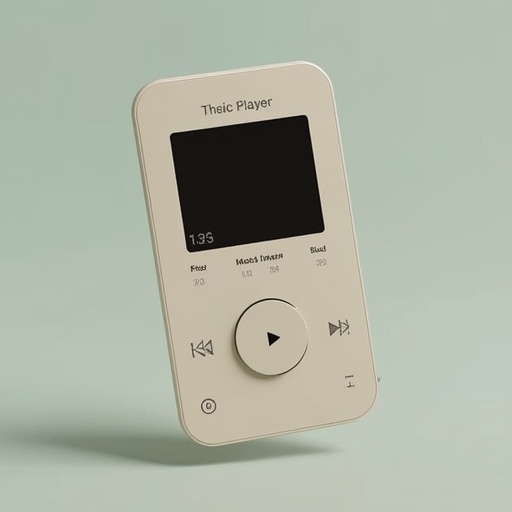
Twenty-five years have passed since the introduction of the iPod, a device that forever altered humanity’s relationship with music by placing the world’s soundscape into the palm of one’s hand. When Apple first unveiled this compact yet profoundly influential gadget, it redefined convenience, portability, and the very notion of personal choice in how individuals experienced their favorite songs. The iPod was not simply a piece of hardware; it was a cultural milestone — a symbol of design elegance, technological refinement, and emotional resonance that captured the spirit of an era.
Now, as technology continues to evolve at an astonishing pace, the question inevitably emerges: is the world prepared for a rebirth of the iPod, or has that chapter in digital innovation closed permanently? The nostalgic allure of the original model, with its tactile scroll wheel and straightforward user interface, continues to enchant tech enthusiasts and music lovers alike. Yet the music landscape has transformed dramatically. In today’s ecosystem dominated by streaming platforms, interconnected devices, and the seamless integration of artificial intelligence, the experience of listening to music has migrated from possession to accessibility, from curated playlists to algorithmic discovery.
Despite these shifts, the emotional connection evoked by the iPod remains astonishingly intact. There was something intimate about carrying thousands of hand-selected songs — an audible diary of one’s identity — without distractions or notifications. Reimagining such an experience in the context of modern digital ecosystems could fuse the purity of the past with the intelligence of the future. Could a new-generation iPod—perhaps one designed as a minimalist, AI-assisted, offline-capable music companion—recapture that sense of focus and personal connection? Or would it exist merely as a nostalgic artifact, appreciated more for its sentimentality than practicality?
The conversation surrounding a potential revival is not merely about hardware; it reflects a broader yearning for simplicity and intentionality in a hyperconnected age. As we juggle smartwatches, voice assistants, and boundless digital choice, perhaps we long for the elegance of a single-purpose device that does one thing beautifully. The original iPod achieved precisely that: it simplified musical enjoyment into an art form of convenience and clarity.
As we stand at the intersection of past innovation and future possibility, the idea of a renewed iPod serves as both a thought experiment and an aspiration. Could today’s technology, infused with the minimalism and emotional intelligence that defined Apple’s early design philosophy, deliver a similarly transformative experience? Or has the world moved so far that the next revolution in portable sound will arise not from a revival, but from a reimagination entirely? Whatever the answer, one truth remains: twenty-five years later, the legacy of the iPod endures — not merely as a device that changed how we listened to music, but as a testament to how design and technology, when perfectly aligned, can change how we live.
Sourse: https://www.theverge.com/column/917369/sleevenote-new-ipod-streaming-bandcamp-music