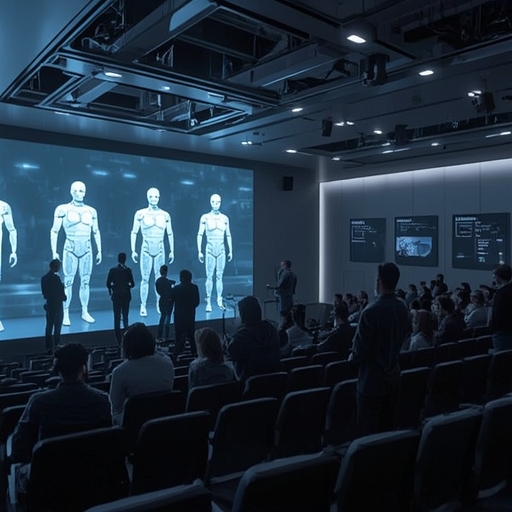
The conversation surrounding the evolution of robotics at the World Economic Forum in Davos highlighted how rapidly technology is transforming human enterprise, productivity, and imagination. Our panel examined the intersection of automation, ethics, and innovation in depth, revealing that the integration of robotics into everyday life is no longer a distant concept—it has become an immediate reality shaping every major industry.
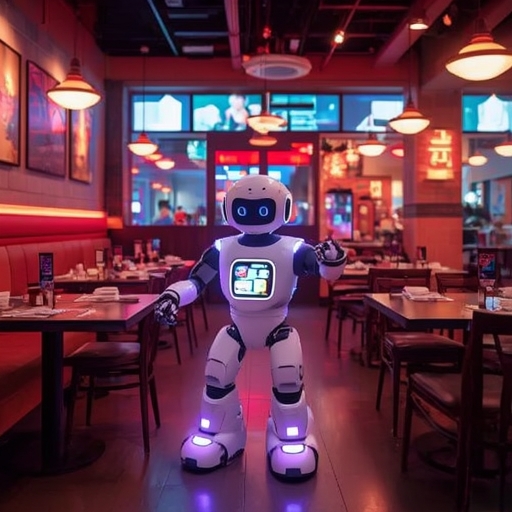
First, the synergy between human intelligence and robotic precision is fundamentally redefining what productivity means in the modern era. Increasingly, collaborative robots—often referred to as cobots—are not replacing people, but augmenting human capabilities in workplaces as diverse as healthcare, logistics, and manufacturing. This dynamic partnership fosters efficiency, minimizes error, and unlocks new opportunities for creative problem-solving. For instance, factories now deploy robotic systems that handle repetitive tasks, enabling human workers to concentrate on strategy, oversight, and innovation. This collaboration demonstrates that the future of work is not about competition between humans and machines, but about meaningful integration.
Second, the panel emphasized that ethical design is paramount to ensuring that rapid innovation remains sustainable and equitable. As robotics becomes more deeply embedded in society, questions arise regarding accountability, data privacy, and moral responsibility. Professionals from technology and policy sectors agreed that developing frameworks grounded in transparency, fairness, and inclusivity is essential for building trust in the next generation of intelligent systems. For example, healthcare robots that assist in surgeries or eldercare must operate with the highest levels of safety and integrity, ensuring that human dignity remains central to technological progress.
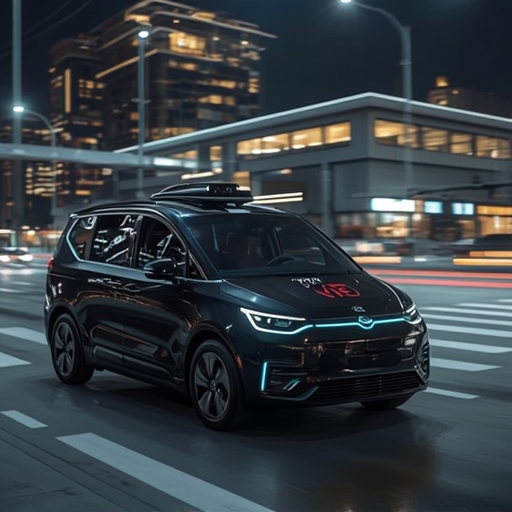
Finally, our experts projected that the coming decade will unleash possibilities previously deemed unattainable. The global robotics market is entering a phase where artificial intelligence, machine learning, and advanced mechanical engineering converge, giving rise to innovations that will revolutionize transportation, urban development, and even personal well-being. Imagine autonomous vehicles seamlessly navigating smart cities, drones delivering essential medical supplies to remote areas, or adaptive home robots providing individualized assistance. These are not mere futuristic ideas—they represent tangible outcomes of interdisciplinary innovation.
In essence, the discussion at Davos reaffirmed that the robotics revolution is not just about technological advancement; it is a collective reimagining of human potential. By approaching automation with responsibility and foresight, we can ensure that robots become partners in progress rather than replacements for people. The forum encouraged entrepreneurs, policymakers, and citizens alike to participate in shaping an automated future grounded in ethics, collaboration, and purpose.
As we look ahead, one message resonates clearly: the future of robotics is both exciting and profoundly human. The choices we make today will determine whether this technological transformation leads to empowerment, inclusivity, and broader prosperity across societies worldwide.
Sourse: https://www.businessinsider.com/davos-panel-future-robotics-wef-automation-2026-1