At 52, registered dietitian Ashley Koff is embracing midlife with a renewed determination to preserve her mental vitality through thoughtful nutritional choices. Reaching the five-decade mark has heightened her awareness of how diet influences cognitive longevity, inspiring her to refine long-term eating patterns rather than rely on quick fixes or trendy supplements. Koff, who is both an accomplished nutrition expert and the founder of the Better Nutrition Program, believes that brain health begins in the gut — an insight she has championed throughout her career. “I’ve always paid careful attention to my digestive well-being,” she explained to Business Insider, emphasizing that nurturing the gut functions as preventive care for the mind. “Your brain is like a miniature ecosystem, reflecting the harmony — or imbalance — that exists throughout the body.” Her forthcoming book, *Your Best Shot*, delves into the intricate world of hormones and how their regulation affects weight management and overall health.
Koff emphasizes that the true secret to cognitive resilience lies not in isolated superfoods or costly supplements but in patterns established steadily over time. The consistency of balanced, nutrient-rich meals, she argues, ultimately outweighs the effect of any single dietary hero. Below are five thoughtful changes she has made to her own diet to support a strong, focused, and enduringly sharp mind.
**1. Balancing blood sugar to prevent energy crashes**
For much of her adult life, Koff practiced intermittent fasting, often skipping breakfast under the assumption that it could stabilize hormones and assist with weight management. However, about four years ago, she began wearing a glucose monitor — an experience that was as enlightening as it was humbling. The device revealed dramatic fluctuations in her blood sugar each morning, largely fueled by caffeine and the absence of food. These sharp peaks and crashes translated into mental fog and unpredictable energy levels, particularly during hectic workdays. Recognizing the need for change, Koff gradually incorporated balanced morning meals that included complex carbohydrates, protein, and fiber. Today, she favors gut-friendly combinations such as overnight oats with antioxidant-rich berries, which provide sustained energy and essential prebiotic fiber. When preparing for physical movement or mentally demanding tasks, she integrates small, fast-digesting carbohydrate snacks like fresh mango or raw honey to maintain glucose stability. The result, she reports, has been transformative: her continuous glucose monitor now shows a steady rhythm of blood sugar throughout the day, accompanied by consistent focus and vitality. Research increasingly supports this approach, suggesting that keeping blood sugar and insulin levels steady helps preserve cognitive function and minimize long-term decline.
**2. Eating the rainbow to protect cells from oxidative stress**
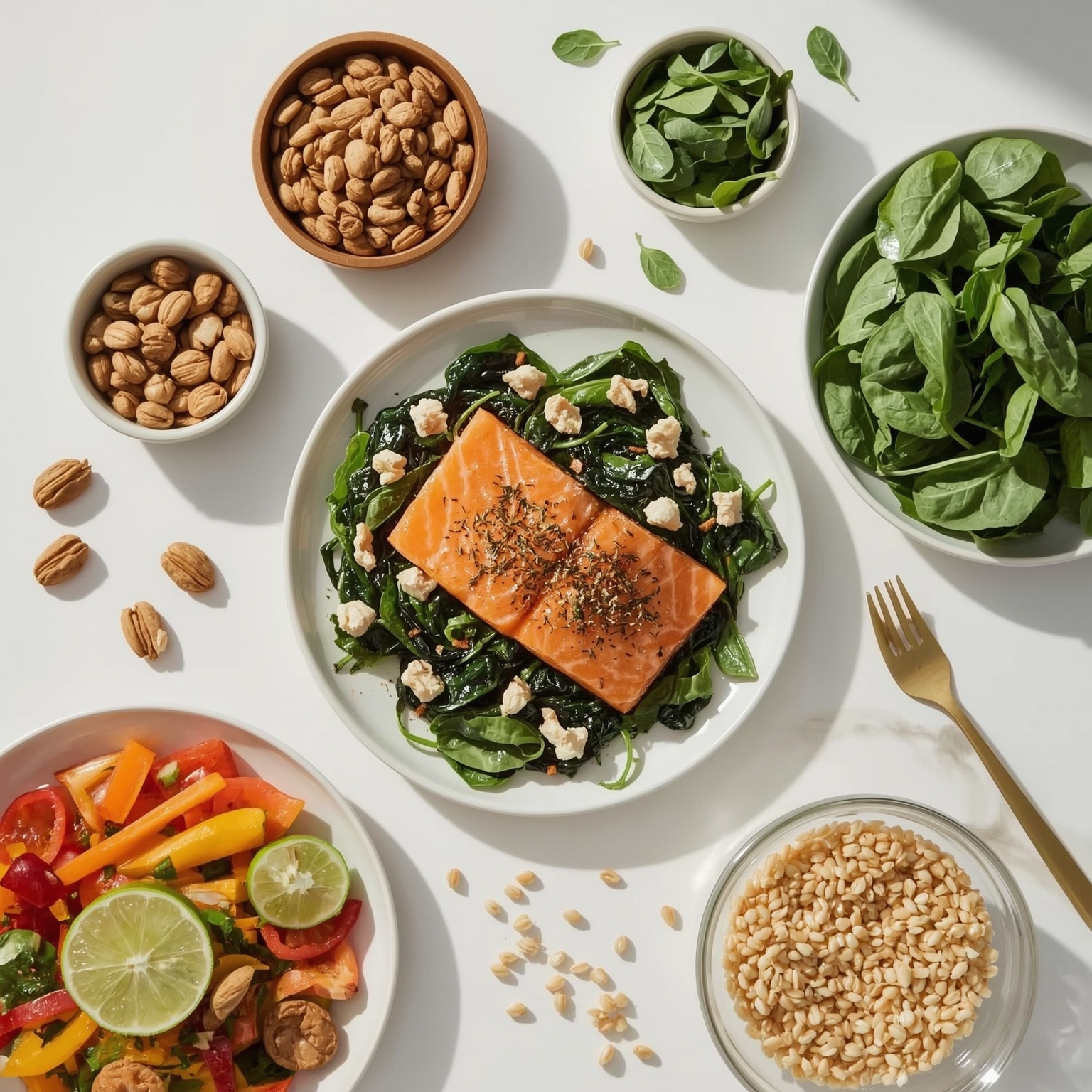
Though Koff has always adored vegetables, crossing the threshold of age 50 inspired her to expand her culinary color palette intentionally. Striving to “eat the rainbow,” she now ensures that every meal features a spectrum of vivid hues — reds, oranges, yellows, greens, and purples — to guarantee a diverse array of nutrients and phytochemicals. She explains that nature designed food pigments not only for beauty but also as signals of their unique nutritional roles. For example, bright red tomatoes supply lycopene, a compound revered for its potential cancer-fighting and cardiovascular benefits, while golden turmeric delivers curcumin, a potent anti-inflammatory agent. With a family history of both macular degeneration and cognitive decline, Koff consciously prioritizes yellow and orange produce rich in carotenoids like lutein, which serve as antioxidants that shield brain and eye cells from oxidative damage. “I’ve been deeply focused on these nutrients lately,” she notes, “and honestly, it’s hard to get too much of them.”
**3. Supplementing with creatine for cognitive and muscular energy**
Although she insists that no supplement can substitute for wholesome nutrition, Koff acknowledges that strategically chosen additions to the diet can optimize how the body and brain perform. Among her preferred options is creatine, a compound formed from amino acids that supports both physical endurance and mental alertness. Initially, she began using it two years ago to enhance muscle recovery as an endurance athlete. Yet, as newer research highlighted creatine’s potential benefits for cognitive processing and neural energy production, she continued taking it for its brain-supportive effects as well. Koff opts for creatine HCL, a type known for superior absorption, consuming around 750 milligrams per day — a smaller yet potent dose compared to the traditional five-gram serving of creatine monohydrate. She also enjoys a daily espresso, appreciating not only its aromatic ritual but also its scientifically suggested role in safeguarding the brain against aging-related decline. The combination of these mindful choices provides her with a consistent sense of vigor and mental clarity.
**4. Enjoying omega-3–rich fish such as sardines**
Long before tinned fish became trendy, Koff was already an enthusiastic advocate of these pantry staples. In recent years, premium brands and creative packaging have transformed canned seafood into a culinary phenomenon, appealing to a new generation of nutrition-conscious eaters. Beyond aesthetics, fish such as sardines, mackerel, and anchovies deliver dense nutritional value, packing high-quality protein and abundant omega-3 fatty acids known to calm inflammation and promote brain resilience. Koff values these qualities but remains conscientious about balancing benefits with potential risks from environmental toxins like mercury. Following guidance from the U.S. Environmental Protection Agency, she keeps intake consistent with recommended levels — about two servings per week — and gravitates toward smaller fish varieties that naturally contain fewer pollutants. Whenever possible, she chooses transparently sourced, responsibly farmed products. Still, she recognizes that not everyone shares her adventurous palate. “I realize my taste buds are somewhat unique,” she admits. “I’d never encourage someone to eat foods they genuinely dislike.” For those unable to appreciate sardines, she suggests an equally nutritious alternative: a daily scoop of ground flaxseeds, which offer plant-based omega-3s minus the marine flavor.
**5. Forgoing alcohol for overall clarity and health**
Koff made the decision to stop drinking alcohol at age 48 after realizing that even moderate consumption undermined her broader wellness efforts. Despite maintaining a balanced diet, she found that alcohol disrupted her sleep, contributed to indigestion, and impeded fat metabolism. The choice to quit, while personal, also aligned with emerging scientific perspectives highlighting alcohol’s detrimental effects on both physical and cognitive health, including long-term risks to memory and neural function. Describing her lifestyle overhaul, she remarked, “It felt as though I was scrubbing my floors clean while wearing muddy shoes.” In her view, abstaining from alcohol allowed her to uphold the integrity of her health goals — supporting restorative sleep, efficient digestion, and steady energy.
Through these mindful modifications, Ashley Koff demonstrates how nuanced nutritional strategies — balancing blood sugar, prioritizing colorful produce, using evidence-based supplements, embracing healthy fats, and eliminating alcohol — can collectively enhance both brain and body vitality. Her approach underscores a powerful truth in preventive health: sustainable habits, consistently applied, hold far greater influence over long-term wellness than fleeting dietary trends or miracle ingredients ever could.
Sourse: https://www.businessinsider.com/dietitian-simple-changes-better-brain-health-creatine-omega-3s-2025-10