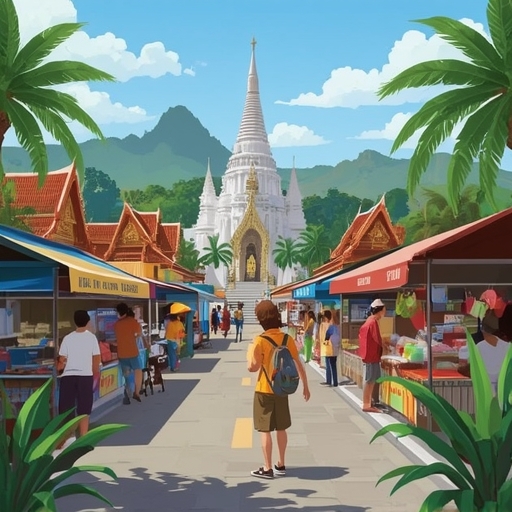
When planning a trip to Thailand—a nation overflowing with vivid colors, fragrant cuisine, and centuries-old traditions—it is remarkably easy for even the most seasoned traveler to make a few common missteps that can lessen the authenticity of their experience. Andre Neveling, a globetrotter who has now made Thailand his home, once found himself in the same situation. On his very first visit, apprehension toward unfamiliar dishes kept him safely within the walls of international fast-food chains. Today, however, his outlook could not be more different. By immersing himself fully in local life, he has come to understand both the beauty and subtle etiquette of Thai culture, and now generously shares his insights to help fellow travelers avoid repeating those early mistakes.
The first and most widespread oversight among tourists is a reluctance to engage with the country’s culinary heart—its street food. Wandering through Thailand’s bustling markets without sampling freshly prepared pad thai sizzling over an open flame, the sweet and spicy aroma of som tam, or the comforting richness of mango sticky rice is like visiting a museum and refusing to look at the art. These foods do more than satisfy hunger; they offer a window into Thailand’s history, geography, and communal spirit. Embracing them not only supports local vendors but reveals a layer of authenticity that cannot be found in hotel restaurants.
Secondly, many visitors underestimate the profound importance of cultural respect, often treating certain customs as casual curiosities rather than deeply rooted social codes. Simple gestures—like removing one’s shoes before entering a home or temple, or refraining from touching someone’s head (the most sacred part of the body in Thai belief)—speak volumes about one’s cultural sensitivity. Taking the time to learn these nuances transforms a trip from mere sightseeing into genuine cross-cultural connection.
Another error lies in the pursuit of comfort over adventure. Tourists often remain within the familiar perimeters of popular beaches or resort districts, missing the chance to experience the tranquil villages, lush jungles, and lesser-known provinces where Thailand’s true character thrives. Those who venture beyond the beaten path quickly discover unexpected generosity, humble hospitality, and a pace of life that restores perspective.
Over-reliance on Western conveniences presents yet another barrier to authentic travel. Seeking reminders of home—whether through chain coffee shops or branded accommodations—may ease temporary discomfort but deprives visitors of encounters that expand understanding. Allowing for spontaneity, embracing the unexpected, and navigating small challenges with patience can redefine one’s sense of independence and wonder.
Finally, a lack of curiosity about the Thai language and communication customs can create a subtle distance between traveler and host. While fluency is unnecessary, learning just a handful of phrases—like “sawasdee” for hello or “khob khun ka/krub” for thank you—can instantly shift interactions from transactional to heartfelt. The warm smile such efforts elicit is often the highlight of the entire journey.
Andre Neveling’s experience reminds us that travel, when done thoughtfully, is not about consuming destinations but about participating in them. By tasting the unfamiliar, honoring local traditions, escaping tourist clichés, and engaging earnestly with the people who call Thailand home, one does more than simply visit the country—they begin to understand it. The key lesson is simple yet profound: open your heart to the culture that welcomes you, and Thailand will reward you with an experience far richer than any itinerary can promise.
Sourse: https://www.businessinsider.com/travel-thailand-tourists-same-mistakes-street-food-tours-bangkok-phuket-2026-1