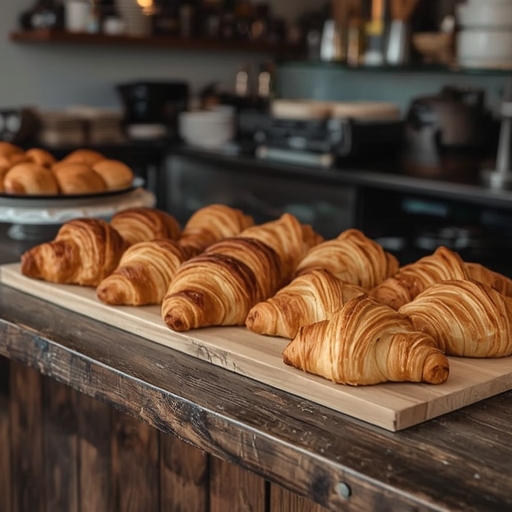
Not every bakery that dazzles with golden crusts or beautifully arranged confections truly embodies the mastery of great pastry craftsmanship. What often appears flawless at a glance can conceal subtle but telling imperfections. A seasoned pastry professional knows that excellence lies not in surface allure but in the marriage of two elements—precision and consistency. The shine of a perfect glaze or the fragrance of fresh dough can be misleading; only when we look closer do we uncover the true indicators of quality.
To understand what differentiates an exceptional bakery from one that merely imitates elegance, it helps to examine the finer details that experts instinctively notice. These culinary artisans evaluate every step of production—from the lamination of croissant dough to the balance of cream fillings—with an almost scientific discipline. Even slight deviations in temperature, timing, or texture can drastically alter flavor and structure. For them, detecting these nuances is not a matter of preference but of principle.
The first decisive factor is the pastry’s texture. A croissant, for example, should reveal defined, airy layers that gently shatter when touched, leaving behind a buttery aroma rather than an oily residue. A soggy or dense interior signals a lapse in technique, perhaps the result of insufficient lamination or rushed proofing. Such errors might escape the untrained eye, but they betray a lack of attentiveness—a red flag that professionals instantly recognize. Similarly, pastries sitting unprotected under harsh lighting or near heat sources reveal improper storage practices. Quality establishments protect their creations from conditions that erode texture and taste.
Another criterion lies in the uniformity of presentation. Consistent shapes and coloration indicate that the bakery maintains control over its process. Uneven browning, split fillings, or irregular sizes suggest hurried preparation or careless execution. When an establishment values precision, each pastry emerges as a deliberate expression of craft, not as an accident of production.
Cleanliness, too, speaks volumes about a bakery’s operations. A spotless counter, fresh displays, and clear labeling demonstrate both hygiene and respect for ingredients. In contrast, cluttered workspaces or smudged showcase glass subtly convey neglect. Patrons may overlook these signs, but experts never do—they know that an untidy environment often parallels inconsistent product quality.
Ultimately, pastries are living expressions of chemistry and patience. When baked with expertise, they communicate harmony—the perfect balance of crispness, moisture, temperature, and timing. When shortcuts are taken, that harmony collapses. To a pastry professional, these details are not aesthetic trivialities but the moral compass of the craft. So the next time you step into a bakery, look beyond the glaze, the color, or the enticing scent. True quality reveals itself in structure, care, and discipline—the quiet, invisible marks of a baker who does not simply make pastries but perfects them.
Sourse: https://www.businessinsider.com/red-flags-how-to-spot-good-bakery-from-pastry-chef