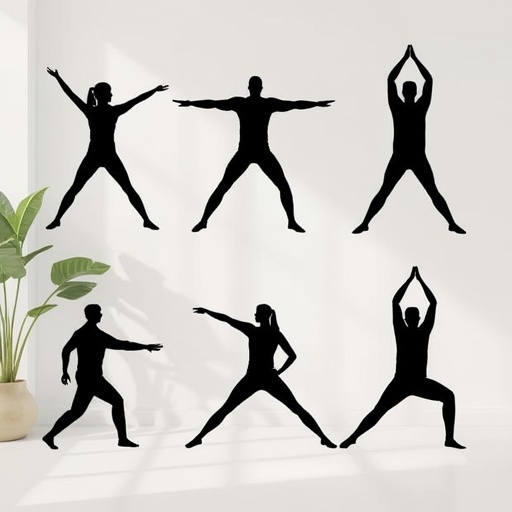
As the years go by, many of us start to wonder whether something as straightforward as daily movement could genuinely influence the way we age. The truth is surprisingly optimistic. Scientific research increasingly shows that regular physical activity — even when performed in brief, consistent sessions — can promote long-term vitality by preserving muscle strength, balance, mobility, and overall bodily resilience. With this in mind, I decided to personally experiment with six exercises that longevity experts recommend as foundational to healthy aging. Each one can be done easily at home, without the need for expensive gym memberships or advanced equipment, making them accessible regardless of fitness level.
These six movements are rooted in practicality and prevention. They target the major systems that tend to weaken over time: the legs, which support stability and mobility; the core, which protects the spine and improves balance; and the upper body, which ensures that daily tasks such as lifting, carrying, and reaching stay effortless. Though simple in structure, each exercise provides immense benefits when performed with proper form and steady persistence. For example, controlled squats train large muscle groups to maintain joint flexibility and lower-body strength, while balance-oriented movements reinforce proprioception — the body’s ability to sense its position in space — reducing the risk of falls.
I approached these routines with curiosity rather than intensity. Over several weeks, I noticed incremental yet meaningful improvements: better posture, more sustainable energy throughout the day, and a growing sense of coordination that translated into more confidence in motion. The experience reinforced a principle often echoed by wellness professionals — consistency matters far more than exertion. A few minutes of intentional movement every day can achieve far greater results than sporadic bursts of strenuous exercise.
What stood out most was the holistic effect of movement on my well-being. Beyond the physical gains, these exercises improved my mental clarity and stress resilience. Gentle stretching after each session encouraged a sense of calm, and rhythmic breathing enhanced focus and relaxation. In the process, movement ceased to be just a means of fitness; it became a form of mindful self-care. Each repetition felt like an investment not merely in physical preservation but in the quality of life itself.
The encouraging part is that anyone can begin right now. Using only your body weight and a few minutes of space, you can build a daily habit that supports graceful, active aging. Whether you are starting from a sedentary period or maintaining an established routine, these six evidence-based exercises can serve as anchors — small rituals that yield cumulative, transformative benefits over time. They remind us that longevity is not just measured in years, but in the ability to move freely, to stand tall, and to participate fully in the moments that matter most.
Ultimately, the experiment reaffirmed that growing older does not have to mean slowing down. When we nurture strength, balance, and flexibility through consistent, mindful practice, we extend our sense of vitality far beyond numerical age. Longevity is built one movement at a time — deliberate, steady, and accessible to anyone willing to begin today.
Sourse: https://www.businessinsider.com/strength-longevity-exercises-trainer-approved-try-at-home-2026-5