In early October, I decided to trade the brisk chill of New York for the promise of warmer breezes and ocean sun, embarking on my very first trip to Naples, Florida. I spent two full days exploring this refined coastal enclave, and though my stay was brief, the city managed to astonish me repeatedly. Naples, a destination often associated with affluence and tranquility, revealed facets of beauty and sophistication that I had not anticipated—from its intricate network of canals to its gleaming waterfront estates and its unexpectedly opulent airport.
The decision to head south came as autumn tightened its grip on New York City. When temperatures dipped below fifty degrees Fahrenheit, I found myself longing for one last taste of summer’s warmth and brightness. Florida’s southern shores, bathed in sunlight and bordered by white-sand beaches that meet water of the clearest, most dazzling blue, seemed like the perfect antidote to the encroaching cold. Over the course of a five-day journey through the state, I dedicated two nights to discovering Naples, a city synonymous with luxury living, seaside serenity, and elegant design. In just forty-eight hours, I encountered six separate surprises that reshaped my understanding of what Florida’s Gulf Coast could offer.
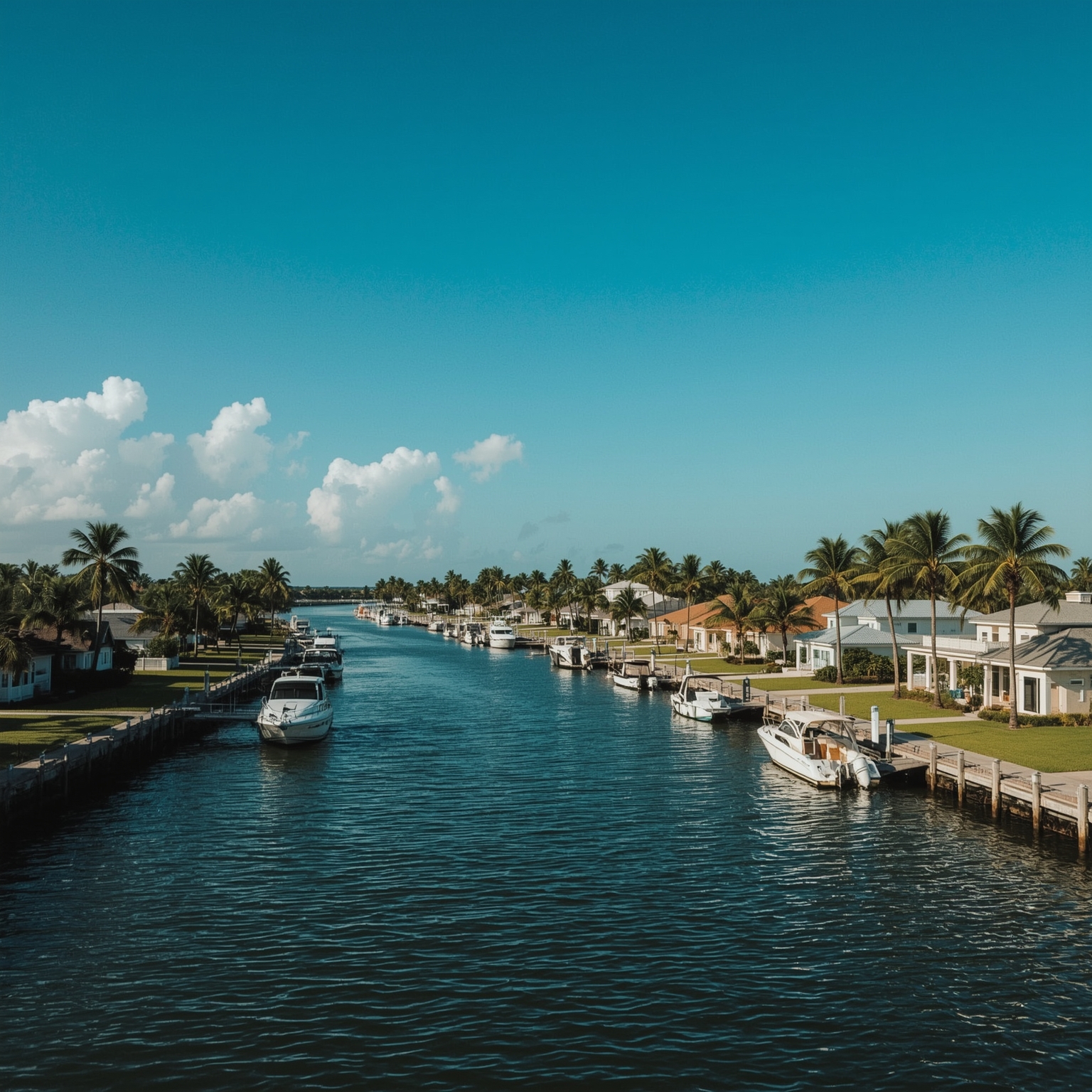
Even from the air, the city made a striking first impression. As my private plane approached Naples from West Palm Beach, I was captivated by the mesmerizing view below. Winding ribbons of canals—hundreds of miles of them—interlaced the landscape, carving graceful paths through lush neighborhoods and waterfront estates. The sight instantly transported me back to memories of Europe—particularly Venice and Amsterdam—where water serves not merely as a backdrop but as an integral part of daily life. Naples, in an elegantly Floridian way, echoed that same sense of coexistence between city and sea.
When I landed, the surprises continued. Naples Municipal Airport, where my flight touched down, stands apart from the bustling commercial terminals most of us associate with air travel. Reserved primarily for private jets and charter services, it felt less like a conventional airport and more like the entrance to an exclusive retreat. Without the usual trappings of gates, TSA lines, or crowded waiting areas, the terminal projected calm refinement. The grounds were immaculately landscaped, complete with a valet stand—a touch that hinted at the city’s penchant for seamless luxury. Inside, the atmosphere was equally impressive: soft lighting from whimsical chandeliers, generously cushioned couches instead of standard rows of chairs, and restrooms that could have doubled as showcases of midcentury modern design. It was, quite simply, the most luxurious airport I had ever visited.
My accommodations provided the next surprise. I chose to stay at The Ritz-Carlton Naples, Tiburón, a resort known primarily for its sprawling golf courses and resort-style leisure. Only upon arrival did I discover that another Ritz-Carlton property, The Ritz-Carlton, Naples Beach Resort, stood just five miles away along the coast. The revelation that guests could access both properties expanded the scope of luxury my visit offered. At Tiburón, I spent tranquil hours drifting along the lazy river that winds through the pool area, surrounded by beautifully maintained grounds. Later, on the beach at the coastal resort, I relaxed under the Florida sun, toes buried in the warm sand as I listened to the gentle rhythm of the Gulf waves. Having access to two resorts, each distinct in atmosphere yet united by elegance, felt like a rare privilege and elevated the entire experience.
Exploring further, I discovered that Naples’ architectural landscape was as captivating as its beaches. I had expected to see waterfront homes—after all, it is a coastal city—but I was astonished by the sheer concentration of grand mansions lining both the shoreline and the canal-split neighborhoods. During a leisurely boat tour, I floated past rows of magnificent estates, each exuding its own character and design philosophy. Some embraced the breezy simplicity of coastal cottages; others displayed the ornamental flair of Mediterranean Revival villas or the crisp, airy aesthetic of contemporary architecture. The variety reflected the city’s diversity of taste, all framed by swaying palms and tranquil azure waters.
Perhaps the most unexpected delight was the proximity of Naples’ downtown district to the seaside. In New York City, reaching an ocean beach requires a journey to the outer boroughs—Bronx, Queens, or Brooklyn—far removed from the pace and density of Manhattan’s core. In Naples, however, stepping from urban vibrancy to ocean tranquility required no such expedition. Strolling along Fifth Avenue, surrounded by boutique shops and café terraces, I was suddenly met with the sight of open sea at the end of the street. The immediacy of that transition—a walk from fashionable storefronts to sunlit shoreline—captured the city’s rare blend of cosmopolitan energy and coastal calm.
The final, and perhaps most breathtaking, revelation came as I gazed at the water itself. The ocean’s blueness was unlike anything I had ever seen in New York. Standing barefoot on the powdery sand, I was struck by how the water shimmered in crystalline clarity, its hues transitioning from turquoise near the shore to deeper sapphire in the distance. When I dove beneath the surface, the feeling was both familiar and dreamlike—a sensation akin to swimming in Caribbean waters yet only a few hours from bustling metropolitan life. The sparkle of the Gulf, framed by Naples’ serene elegance, epitomized the city’s charm: refined, tranquil, and endlessly surprising.
In just two days, Naples had unveiled layers of beauty and luxury that far surpassed my expectations—a city where opulence meets nature’s brilliance, and where even the smallest details, from an airport’s design to the color of the sea, leave a lasting impression.
Sourse: https://www.businessinsider.com/naples-florida-first-visit-surprises-from-new-yorker