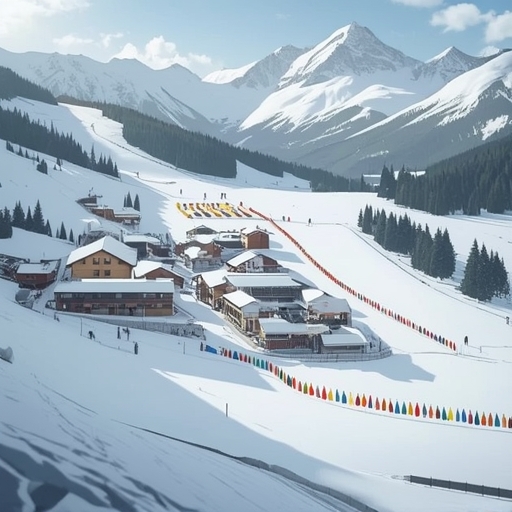
When I set out to attend the 2026 Milan Cortina Winter Olympics in the secluded alpine haven of Livigno, I anticipated the familiar elements that usually accompany major international sporting events—thrilling competitions, enthusiastic crowds, and a well-choreographed spectacle of athletic brilliance. Yet, what truly captivated me was not only the grandeur of the Games themselves, but the multitude of subtle, unexpected discoveries that unfolded along the way. Within the pristine heart of the Italian Alps, I encountered layers of culture, hospitality, and natural beauty that I never could have fully imagined until I experienced them firsthand.
From the moment I arrived, the mountain landscapes appeared almost otherworldly, their snow-draped slopes reflecting light that seemed to have a life of its own. The crisp air carried echoes of celebration from distant valleys, blending with the hum of preparation that surrounded the Olympic venues. Yet behind this polished efficiency lay something much deeper—a profound sense of community and pride that seemed to emanate from every local shopkeeper, volunteer, and skier. The people of Livigno demonstrated not just organizational success, but an authentic warmth of spirit that transformed what could have been a purely logistical triumph into a human story of generosity and connection.
Each day brought a new realization about how seamlessly global innovation can merge with regional tradition when executed with intention. The architecture of the venues, for instance, combined sleek, contemporary design with wood and stone touches that harmonized with the mountains, symbolizing Italy’s ability to balance modernity with respect for heritage. The sustainability initiatives—solar panels hidden within chalet roofs and energy-efficient transport systems between events—spoke quietly yet powerfully about environmental mindfulness even amid a setting devoted to large-scale excitement.
Equally striking were the small cultural details that surfaced when I least expected them. During intermissions, local musicians performed folk melodies in remote cafés where time appeared to slow, reminding me that sport, art, and cultural identity all share a heartbeat. Conversations with residents revealed a cherished history of resilience; many recounted how these Games not only brought visibility to their town but also inspired a new generation to protect its fragile alpine ecology. In that sense, Livigno became far more than a host site—it evolved into a living classroom where passion met preservation.
Perhaps the most lasting impression came from seeing athletes and spectators alike drawn together by an unspoken understanding that transcended nationality. Whether on the slopes or inside the stadium, a collective sense of wonder bound us together, reminding us that global events like the Winter Olympics thrive not solely on competition, but also on shared humanity. In the stillness following the final race, as the evening sky turned a silvery blue, I realized that my journey through the Italian Alps was less about witnessing history in motion and more about being part of a narrative larger than myself—a story defined by unity, discovery, and the timeless allure of snow-covered peaks that continue to whisper their secrets long after the applause fades.
Sourse: https://www.businessinsider.com/attended-2026-winter-olympics-milan-livigno-biggest-surprises