In the ever-evolving world of interior design, countless trends emerge and fade with surprising speed. Yet, amid the endless cycle of innovation and nostalgia, certain choices consistently prove to be fleeting or impractical. Drawing from years of firsthand experience, an accomplished interior decorator offers a thoughtful exploration of seven design elements they deliberately avoid incorporating into their own home. Their reasoning extends beyond simple aesthetic preference; it centers on the pursuit of enduring style, comfort, and authenticity within a living space.
One such example is the use of **geometric shelves**, those bold angular designs once celebrated for their daring symmetry and contemporary appeal. While visually striking in photographs, they often create cluttered, awkward storage spaces that are neither practical nor soothing to the eye over time. In contrast, more organic shelving—crafted from natural wood or featuring fluid lines—achieves that delicate balance between art and function.
Another design decision that rarely stands the test of time is **faux leather** upholstery. Although initially enticing for its low cost and sleek finish, it tends to age poorly, cracking and peeling with use. An experienced decorator prioritizes materials that embody both resilience and tactility, opting instead for genuine textures—like linen, cotton, or sustainably sourced leather—that develop character rather than degrade.
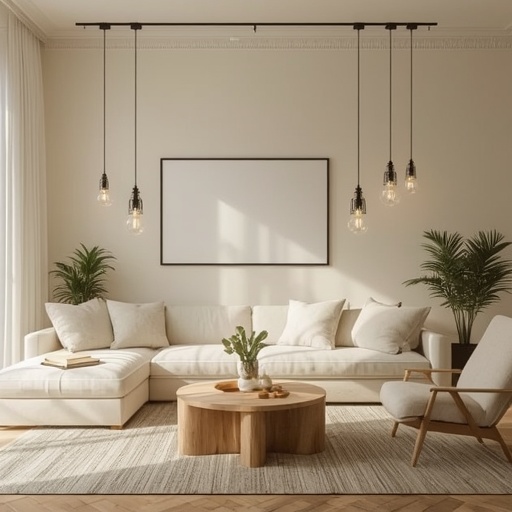
Equally divisive, **exposed-bulb lighting fixtures** once symbolized industrial chic. However, in practical application, they frequently produce harsh shadows and glare, undermining the sense of warmth and comfort a well-lit home should evoke. Recessed or shaded lighting creates a more balanced, ambient glow, transforming any room into a sanctuary of calm illumination.
Beyond these examples, the decorator cautions against impulsively following every passing design movement. Overly ornate accent walls, mirrored furniture, and certain synthetic finishes can quickly date a room, stripping it of sophistication. True interior beauty emerges not from excess, but from intentional restraint—the subtle interplay between modern simplicity, natural texture, and thoughtfully chosen details.
Ultimately, this seasoned professional’s message is clear: timeless design stems from authenticity, practicality, and emotional resonance. A home reflects not merely fashion, but the character of those who dwell within it. By rejecting short-lived trends such as geometric shelving, imitation materials, or exposed-bulb fixtures, one can cultivate interiors that remain graceful, inviting, and relevant for decades to come.
Sourse: https://www.businessinsider.com/what-interior-decorator-would-never-have-in-home-2026-6