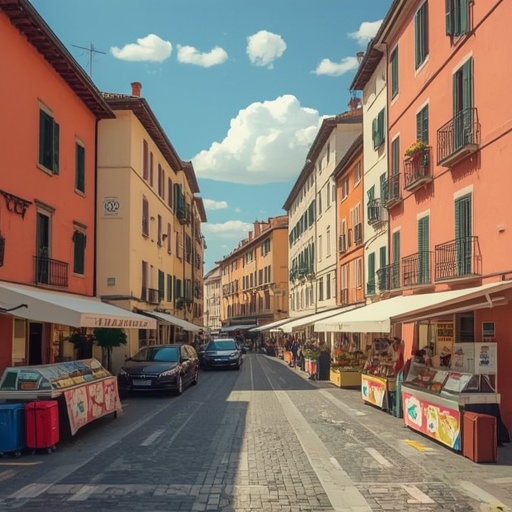
Many travelers envision an Italian summer filled with effortless charm — lingering over wine beneath the golden glow of ancient piazzas, wandering between art-filled museums and lively coastal promenades, and sampling gelato as the sun dips over terracotta rooftops. Yet, what begins as a dream of la dolce vita can quickly transform into la stressful vacanza if certain common missteps go unchecked. A seasoned expatriate, after a decade of observing visitors navigate Italy’s unique rhythms, sheds light on the eight recurrent blunders that can disturb the serenity of an otherwise enchanting season.
The first pitfall often arises from misjudging the intensity of Italy’s summer climate. Tourists, lured by visions of picturesque villages and scenic ruins, underestimate the overwhelming heat that blankets much of the country by midday. Exploring ancient sites like Pompeii or the Colosseum without proper preparation becomes an exhausting endurance test rather than the cultural reverie it should be. Sensible planning — including early morning excursions and frequent pauses for hydration — can transform fatigue into pleasure.
Equally detrimental is the failure to respect Italy’s distinctive pace of life. Visitors accustomed to round-the-clock convenience may find themselves perplexed when local shops shutter during siesta hours, restaurants prohibit substitutions, or leisurely meals stretch for hours. Appreciating these customs as expressions of cultural rhythm rather than inconveniences allows the traveler to align with Italy’s unhurried elegance. True enjoyment of la dolce vita stems from synchronizing with the local tempo, not resisting it.
Another frequent miscalculation involves attire and presentation. Italians value aesthetic harmony and well-maintained appearance, even in casual contexts. Arriving at churches in beachwear or dining in flip-flops conveys unintended disrespect and detracts from genuine cultural connection. Simple mindfulness — respectful clothing and understated refinement — fosters warmer interactions and invites authentic hospitality.
Transportation, too, often triggers confusion. Many travelers, accustomed to rigid punctuality, grow impatient with Italy’s flexible schedules for buses or trains. Realizing that a delay is less a failure than a reflection of Mediterranean spontaneity transforms frustration into ease. Renting a car, while liberating, demands composure amid narrow medieval streets and expressive local driving styles — challenges best met with patience and humor rather than exasperation.
A subtler yet pervasive error occurs around dining habits. Expecting bottomless coffee refills, early dinners, or swift service ignores Italy’s culinary culture, which prizes quality, conversation, and ritual. A meal is not a transaction but a social ceremony. Pausing to savor regional specialties, engaging with waitstaff, and allowing time to unfold naturally enriches not only the palate but also the traveler’s entire sensory experience.
Additionally, an obsession with renowned tourist attractions can narrow one’s perception of Italy. While Florence’s Uffizi and Venice’s canals are magnificent, the charm of provincial towns, unassuming trattorie, and countryside markets reveals the true essence of the Italian soul. By venturing beyond guidebook itineraries, travelers encounter the quiet beauty of authenticity — a grandmother hanging laundry between sunlit balconies, a craftsman carving marble in a backstreet studio, or a vintner proudly explaining his family’s blend.
Miscommunication can also arise from reliance solely on English. Though Italians often speak multiple languages, demonstrating even a modest effort in Italian — a greeting, a thank you, a simple question — showcases respect that transcends vocabulary. Language here is less about fluency than about fostering goodwill and participation in daily life.
Finally, a critical oversight lies in rushing the experience itself. Italy reveals her richness gradually, not through haste but through stillness — a leisurely afternoon at an obscure café, the echo of church bells over sleeping towns, or the fleeting moment when evening light gilds the stones of an ancient wall. Savoring rather than scheduling makes all the difference between passing through Italy and truly inhabiting it.
To avoid these eight missteps is to grasp the essence of Italian living: a harmony of patience, appreciation, and deliberate joy. In embracing the pauses, the uncertainties, and the ineffable beauty woven through ordinary days, the traveler transforms from outsider to participant. The country rewards those who yield to its rhythm, offering not merely a journey through place but an awakening to the art of living itself — la dolce vita in its purest, most enduring form.
Sourse: https://www.businessinsider.com/italy-things-not-to-do-summer-mistakes-from-local-2026-7